Thu 6 Aug 2015, 09:36 GMT

Groundbreaking dredger to be powered by dual-fuel engines


Vessel is set to be the first ever dredger to operate on engines capable of using either liquefied natural gas (LNG) or conventional marine fuels.


A new-generation 'Antigoon' class dredger, named the Scheldt River, being built by Royal IHC (IHC) in the Netherlands on behalf of the Belgium based DEME Group, is to be powered by Wärtsilä dual-fuel (DF) engines.

It is set to be the first ever dredger to operate on engines capable of utilising either liquefied natural gas (LNG) or conventional marine fuels. The contract with Wärtsilä was signed in July.

The 104-metre-long vessel will have a hopper volume capacity of approximately 8,000 cubic metres. The scope of supply includes one 12-cylinder and one 9-cylinder Wärtsilä 34DF engines, two Wärtsilä controllable pitch propellers and two transverse thrusters as well as the company's patented LNGPac gas supply and storage system.

Commenting on the news, Lars Anderson, Vice President, Engine Sales, Wärtsilä Marine Solutions, said: "Wärtsilä's unmatched experience and extensive reference list in dual-fuel engine applications, plus our complete solutions portfolio, were key considerations in the award of this contract. We congratulate the shipyard and owners for taking the decision to have this new dredger become the first to be capable of using LNG or diesel fuel."

Jan Gabriël, Head of New Building and Conversion Department at DEME, remarked: "Environmental considerations are extremely important for every new vessel built today. Operating on LNG allows DEME to set new standards in minimising harmful emissions. 'Scheldt River' will easily comply with all local and international environmental regulations. Wärtsilä's dual-fuel know-how and in particular the 34DF engine series made our concept feasible."

It is the second notable order received by Wärtsilä in recent weeks for dredger-related propulsion solutions. In June, the company was contracted to supply a comprehensive integrated solutions package for one of the world's largest and most advanced self-propelled cutter dredgers currently under construction in China.

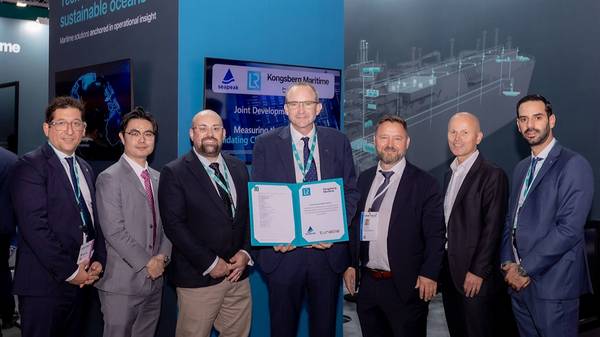
O Bunkering and Marafi Services merger ceremony. O Bunkering and Marafi Services announce merger  

Omani firms join forces to accelerate growth and improve operational efficiency.

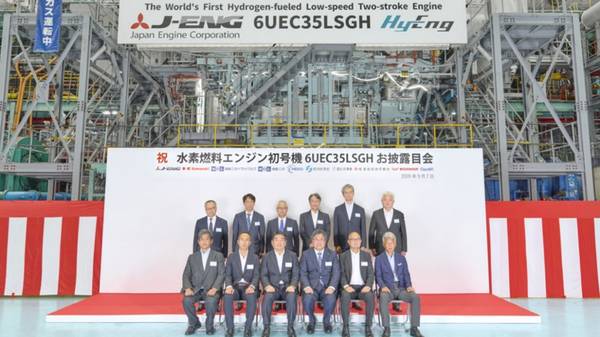
Order ceremony for LNG dual-fuel container vessels. OOCL orders twelve 13,600-teu LNG dual-fuel container vessels from Chinese shipbuilder  

Hong Kong-based carrier’s first LNG-powered vessels mark entry into alternative fuel segment.

Lucia Cosulich vessel. Cosulich launches second methanol-ready bunker vessel at Chinese shipyard  

Lucia Cosulich is the second of four sister vessels being built for alternative fuel bunkering.

LNG bunkering vessel render. Wärtsilä Gas Solutions secures order for LNG systems on four bunkering vessels  

GSX Energy orders systems for vessels being built at Chinese shipyard Nantong CIMC Sinopacific.

Guo Si ship-to-ship (STS) bunkering operation. Chimbusco Pan Nation delivers 2,500 mt of B100 biodiesel in China’s largest single bunkering  

Hong Kong operation claims 89% greenhouse gas emissions reduction compared with conventional marine fuel.

Caroline Yang, Diana Mok and Francois-Xavier Accard, IBIA. IBIA appoints three new members to Asia regional board  

Caroline Yang, Diana Mok and Francois-Xavier Accard join the board following unanimous approval.

Reimei vessel. MOL achieves 98% methane slip reduction in LNG-fuelled vessel trials  

Japanese shipping company exceeds target in demonstration trials aboard coal carrier operating between Japan and Australia.

Seaside LNG logo. Seaside LNG expands C-suite with four industry veterans  

Houston-based firm appoints new leadership team as LNG bunkering market projected to reach $15bn by 2030.

International Maritime Organization (IMO) headquarters. ICS calls for swift adoption of global regulatory framework  

Secretary general notes MEPC discussions were constructive, but that many member states were still not in a position to adopt the framework without further changes.

WSC quote on maritime discussions. WSC welcomes 'constructive engagement' on global emissions reduction measure  

The liner industry has invested $150bn in dual-fuel ships, but emissions reductions depend on a global framework, notes WSC CEO.