Fri 9 May 2014, 16:45 GMT

Funding secured for Mississippi LNG terminal


Facility is scheduled for completion in 2017.


Louisiana LNG Energy, LLC (LLNGE) has secured funding from an affiliate of ArcLight Capital Partners, LLC for LLNGE's mid-scale LNG export terminal currently under development in Louisiana along the Mississippi River.

The project, expected on-line in late 2017, has a planned export capacity of 2.0 million tonnes per annum, deep water access for very large gas carriers (VLGC) and utilizes modular construction for speed to market.

"The ArcLight funding agreement is a significant step in advancing the LLNGE Project. The addition of their team provides LLNGE additional experienced resources to continue moving the project forward with all phases of the project scheduled for completion in late 2017," said Jim Lindsay, chief executive officer of LLNGE.

"ArcLight is pleased to be partnering with LLNGE's management team to facilitate the development of the premier mid-scale LNG facility in the Gulf Coast," remarked Carter Ward, Partner of ArcLight.

LLNGE has selected Chart Energy & Chemicals, Inc. (Chart) to perform advanced engineering for the project. LLNGE has selected Chart's 0.5 MTPA standard LNG liquefaction plant design. The plants will feature Chart's proprietary liquefaction technology with in-house design and manufacture of all mission critical equipment. Advanced engineering is due to commence immediately.

The project also has procured four manufacturing space reservations with Chart, to ensure that the 2.0 MTPA LNG plant can be online in the fourth quarter of 2017. Tom Burgess, Vice-President of Marketing for LLNGE, commented: "By securing the slot reservations for the liquefaction trains, LLNGE has completed another important step in maintaining its timeline for production in 2017."

Sea Port Group Securities, LLC acted as lead financial advisor and Galway Capital L.P. acted as financial advisor to LLNGE. Separately, Galway Energy Advisors LLC has been retained to assist LLNGE in securing LNG off take arrangements and with other commercial operations.


Flag of Brazil. Petrobras resumes bunkering operations at Rio Grande Terminal after power restoration  

Brazilian supplier restarts marine fuel supply after completing an inspection following an electricity outage.

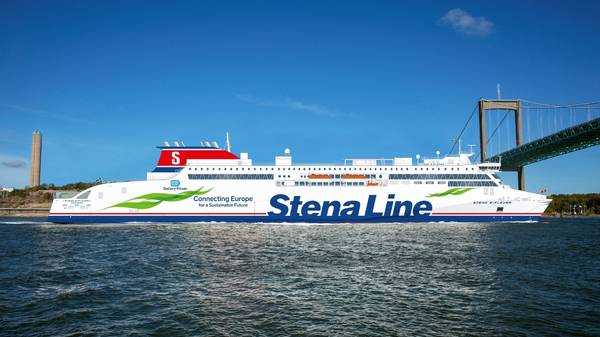
Stena E-Flexer vessel render. Stena RoRo orders battery-ready E-Flexer 2.0 ferries from Chinese yard  

Vessels include diesel engines capable of running on biodiesel and are methanol-ready.

BW Gemini vessel. Nord Gas Solutions to supply cargo and fuel systems for eight BW LPG VLGCs  

Gas-handling systems specialist awarded contract for new 90,000-cbm vessels.

Kingston Trader vessel. TFG Marine fits mass flow meter to Jamaica-bound bunker barge  

Kingston Trader becomes the first Caribbean bunkering vessel with mass flow metering as TFG Marine’s fleet coverage nears 90%.

Sebastian Vasquez and Camilo Angulo Ferrand, Monjasa. Monjasa announces full-chain marine fuel operations in Cartagena  

Monjasa says it now covers the entire marine fuel supply chain in Colombia, from oil wells to ship-side deliveries.

Steel-cutting ceremony for vessel with builder's hull no. H619. Ceremonies held for Van Oord’s methanol-hybrid rock installation vessels  

Two ships advance through parallel construction at China’s CIMC Raffles shipyard.

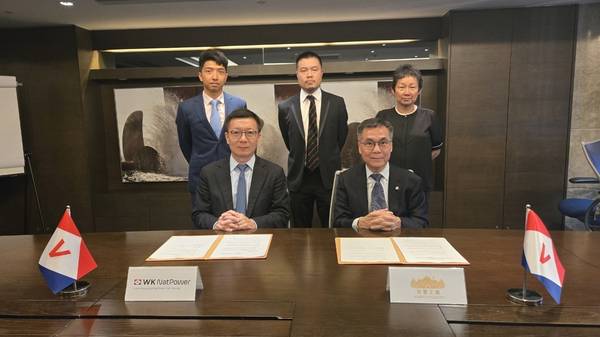
WK NatPower and AREL MoU signing. Wah Kwong NatPower signs MoU to explore Hong Kong marine electrification  

Venture will examine shore power, vessel charging and electric vessel deployment around Aberdeen’s waterfront.

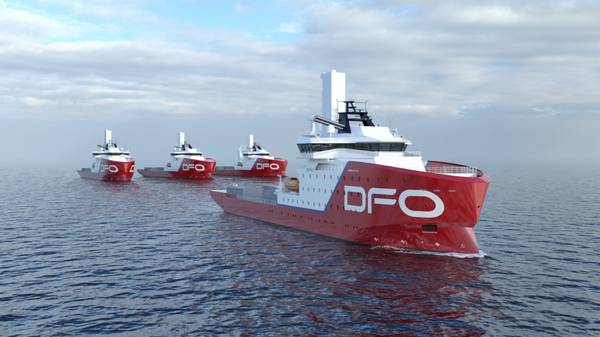
Vard 4 39 design render. Dong Fang Offshore orders CSOV with battery-hybrid propulsion  

Vard secures fifth newbuild contract from Taiwanese firm, with delivery scheduled for 2028.

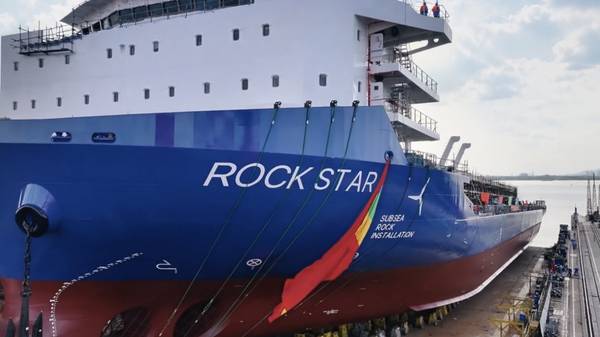
Rock Star vessel. CSL and OWL launch first subsea rock installation vessel for offshore wind  

MV Rock Star can run on MGO and methanol and is designed to support scour protection and cable burial for offshore wind projects.

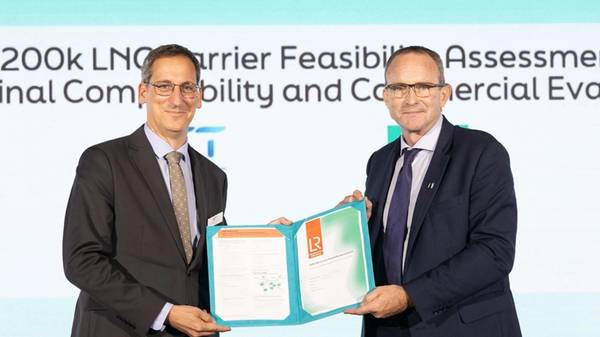
François Michel and Andy McKeran. Lloyd’s Register study backs 200,000-cbm LNG carriers for fleet renewal  

Analysis finds larger LNG carriers could cut transport costs while retaining access to most major terminals.