Transport Canada has released details of its 'Future Marine Fuel Study', which explores alternative fuels and compatible engine technologies for the Canadian domestic marine industry to meet upcoming North American Emission Control Area (ECA) emission regulations.
The study also investigates current and planned incentive programs and regulations that impact the industry, and recommends strategies that lessen the regulatory impact on shipowners and increases the competitiveness of Canada’s shipping industry.
Of the fuels examined, biodiesel, natural gas, ultra-low sulphur diesel (ULSD), and hydrogenation-derived renewable diesel (HDRD) were recommended as the most viable alternative fuels.
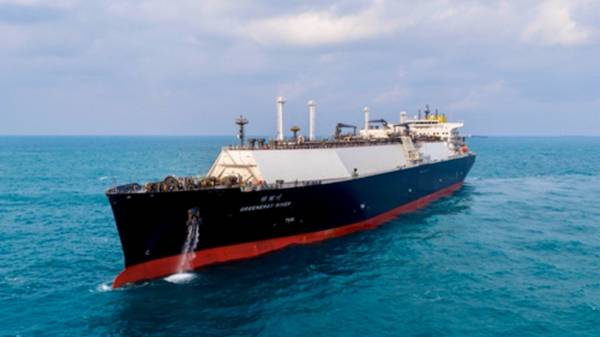
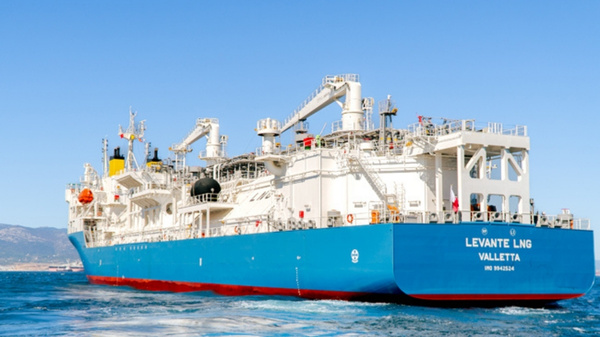
One of the key factors promoting the use of liquefied natural gas (LNG) as an alternative fuel is the requirement to comply with ECA regulations. However, the lack of infrastructure facilities and related supply chain issues were seen as a significant barrier to a wider adoption of LNG as fuel.
"The major gas and oil providers will not invest in the infrastructure needed to supply the fleet unless there is sufficient demand from shipowners. Shipowners, in turn, will not invest in LNG-operated vessels if the LNG is costly or not readily available," Transport Canada said.
Canada’s marine industry faces challenges to comply with the ECA emissions limits, however, according to Transport Canada, the domestic alternative fuel infrastructure is currently undeveloped and cannot provide an adequate supply of alternative fuel to meet the demand.
The investigation explored:
- alternative and conventional fuels for marine transportation.
- fuel production.
- storage and infrastructure.
- national and international policies and programs.
- implementation issues.
- existence of a sufficient market.
- fuel availability and timelines.
- need for a cost-effective and reliable product.
- impact of regulations on fuel usage.
- the business case and public policy framework for using alternative fuels.
- market potential, barriers, and impediments.
- logistics.
- investment and infrastructure options.
The research project conducted extensive internet searches of companies, trade association, regulatory body marine certification organizations, and Canadian national and international websites dealing with the regulations governing the use of marine fuels. Personal and telephone interviews with fuel suppliers and representatives of the Canadian shipping industry gave first-hand knowledge and an insider perspective.
The report said that ECA compliance is achievable using available emission control technology. However, the high cost of alternative and conventional distillate fuels will require fuel switching, speed reduction, or expensive exhaust emission aftertreatment for vessel operators to remain competitive and in compliance.
According to the report, the high cost differential between residual fuels, distillates, and alternative liquid and gaseous fuels will be the primary reason that a widespread changeover to marine distillates and alternative fuels will not be realized. A secondary factor inhibiting the changeover was said to be the lack of infrastructure and operational issues related to alternative fuels. In essence, the report concluded that the domestic marine infrastructure cannot provide an adequate supply of alternative fuels.
Report recommendations include implementing a strategy to mitigate the economic impact that domestic shipowners and operators will face. Canadian government agencies responsible for marine transportation and environment, particularly Transport Canada and Environment Canada, were advised to:
- Continue a dialog with the Canadian marine industry and international marine regulatory agencies.
- Develop a Canadian marine emissions inventory by which they can gauge the effectiveness of any emission reduction strategy.
- Use their marine air emissions working groups to further the emissions reduction agenda.
- Consolidate and coordinate marine affairs within the federal government.
- Promote the marine industry’s economic advantages and environmental breakthroughs.
- Embark upon a course to provide incentives for shipowners to use alternative fuels to meet upcoming ECA emission limits.
Various strategic options were said to be available, including the use of monetary incentives to facilitate the changeover from heavy fuel oil (HFO) to more expensive distillate fuels. Fuel switching from HFO to medium diesel oil (MDO) in ECAs was said to be feasible, but operationally difficult. Installing exhaust aftertreatment devices, such as SCRs or SOx scrubbers, requires substantial investment capital that may require the government to provide financial assistance in the form of rebates or tax write-offs, the report said, adding that reducing vessel speed in order to lower emissions will increasingly become a less viable option, because emission limit areas are set to expand considerably and the longer transit times at reduced speed will impact schedule and cost.
Of the four recommended alternative fuels, ULSD and LNG were said to show most promise to replace current fuels – ULSD for its potential infrastructure and availability at ports, and LNG as the cleanest burning fuel. However, the report predicted that wholesale switchover from conventional diesel fuels to LNG would not occur in the near term and that the failure of industrialized nations to reach a consensus on the climate change, particularly the reduction of GHGs, would have a negative impact on the adoption of LNG in the marine sector because it is a low-carbon fuel.
A copy of the full report can be requested at the following address:
http://www.tc.gc.ca/eng/innovation/tdc-report_request-312.htm