Wed 25 Apr 2012, 16:33 GMT

Environmental cooperation agreement signed in Canada


Collaboration aims to enhance environmental protection and performance in the marine shipping sector.


Transport Canada and Quebec-based Green Marine have signed a memorandum of cooperation to enhance environmental protection and performance in the marine shipping sector.

The agreement was announced this week to members of the Canadian Marine Advisory Council at its annual meeting in Ottawa. The memorandum of cooperation formalizes a cooperative agreement and designates Transport Canada as a 'Green Marine supporter'.

As part of the agreement, Transport Canada and Green Marine will work together to:

* enhance the industry’s environmental performance benchmarking;
* support efforts to promote Green Marine goals and successes nationally;
* collect environmental data and develop environmental performance measurement standards; and
* identify ways to promote industry best practices, measures and strategies that can further address environmental issues in the marine sector.

“Transport Canada’s support will play a key role in expanding the program’s scope in terms of both content and industry participation,” said Raymond Johnston, chair of Green Marine’s board of directors. “The memorandum of cooperation recognizes Green Marine as a unique opportunity to promote a culture of continuous environmental improvement on a voluntary basis among shipowners, port authorities, terminal operators, the St. Lawrence Seaway and shipyards.”

Under the memorandum of cooperation, Transport Canada will also participate as an observer on the Green Marine Environment Committees. This will involve monitoring developments and exchanging information to support the advancement of Green Marine’s goals.

Canada 

UEC60LSJ ammonia-fuelled engine render. J-ENG secures orders for four ammonia-fuelled engines under Japanese PCTC project  

Vessels form part of plan to build four ammonia-fuelled car carriers, a dedicated bunkering vessel and supply chain.

Hanwha Power receives ABS AiP for battery-powered containership design. ABS grants AIP to Hanwha Power for 1,700-TEU battery-powered container ship  

Design uses roughly 151 MWh of swappable battery storage for fully electric propulsion on a container vessel.

Peter Krahenbuhl, WinGD. WinGD signs first licence deal with HD Hyundai Marine Engine to expand Korean production  

Mid-bore engine portfolio gains new production route into Korea's bulk carrier and tanker newbuild markets.

ONE Symphony naming ceremony. Ocean Network Express names ammonia- and methanol-ready newbuild ONE Symphony  

Vessel features conventional diesel main engine, with concept designs approved for possible future conversion to methanol or ammonia.

Sing Fuels logo. Sing Fuels seeks Asia-based supply trader to bolster bunker procurement team  

Singapore bunkering firm is recruiting a supply trader to manage marine fuel purchasing across Asia.

MOL joint naming ceremony. MOL names world's first ammonia-fuelled Capesize bulk carriers  

Naming of Ruri Mirai, Ruri Sekai and Ruri Hikari signals ammonia's arrival as a marine fuel for large bulk carriers.

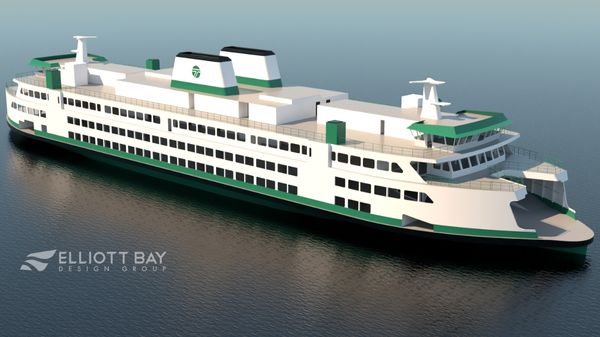
Washington State Hybrid-Electric 160-Auto Ferry vessel render. ABB wins Washington State Ferries' third hybrid-electric vessel order  

ABB extends its role in the US ferry operator's electrification programme, which targets emission-free operations by 2050.

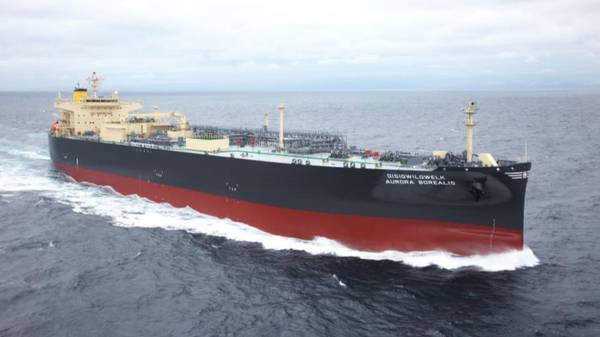
Aurora Borealis vessel. Kawasaki Heavy Industries delivers LPG-fuelled carrier Aurora Borealis  

Ship could also be modified in future to allow for ammonia-fuelled operation.

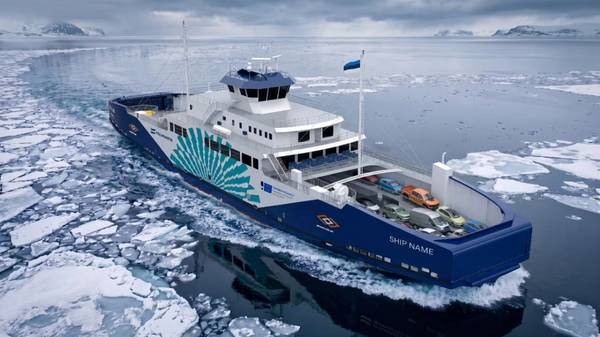
Rendering of Estonia's first shore-charged electric ferry. Estonian State Fleet's shore-charged electric ferry completes model testing in Germany  

Hull and propulsion tests show the vessel's energy consumption remains within contracted limits with room to spare.

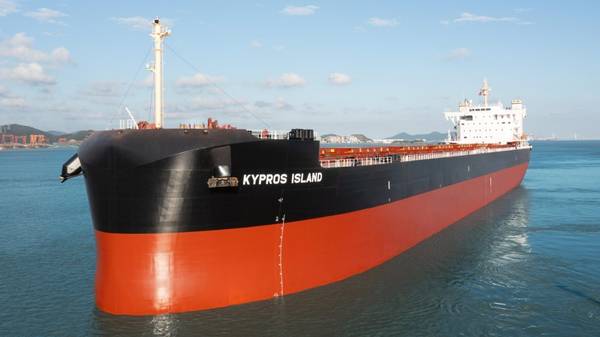
Kypros Island vessel. Tsuneishi delivers first methanol dual-fuel Kamsarmax bulk carrier from Chinese yard  

Shipbuilder claims progress towards establishing a mass-production system for vessels designed to reduce environmental impact.