
|
July 13, 2026
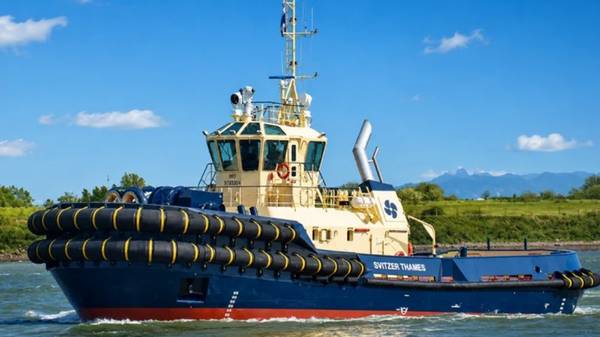
DP World and Svitzer bunker first HVO-fuelled harbour tug at London Gateway Carbon inset scheme expands as tug switches from marine diesel to HVO. |
|
June 25, 2026
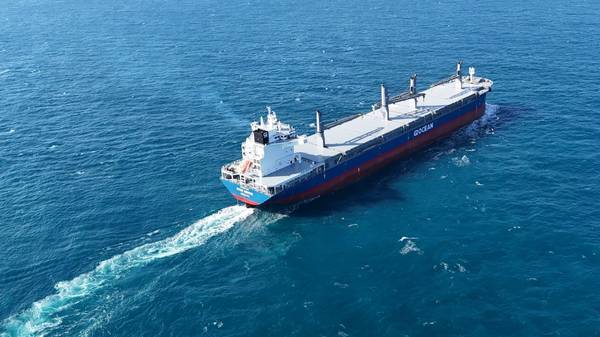
G2 Ocean launches emission reduction certificates for supply chain decarbonisation New certificates allow cargo owners to offset Scope 3 transport emissions via biofuel use. |
|
June 19, 2026
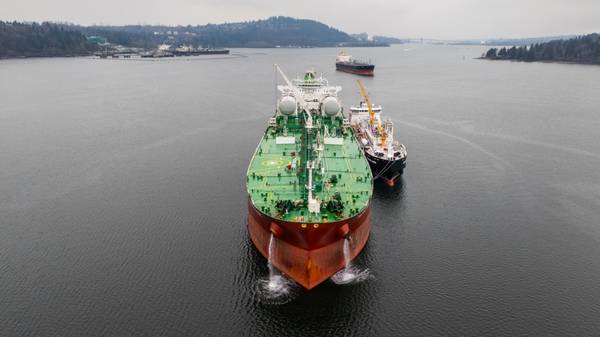
Low-GHG methane could keep LNG-capable fleet compliant as regulations tighten, DNV paper argues Biomethane and e-methane offer a compliance pathway for LNG-capable ships, says DNV. |
|
May 22, 2026
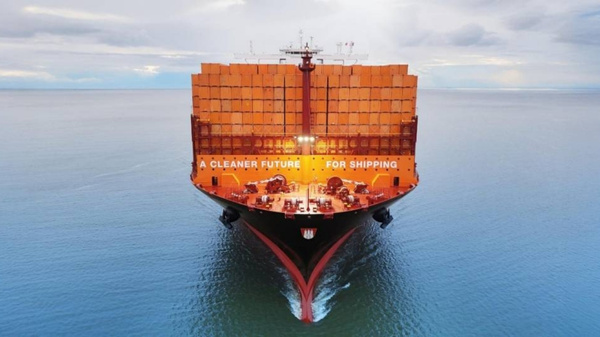
Scan Global Logistics and Hapag-Lloyd expand biofuel partnership to cut shipping emissions Collaboration claims to avoid 8,500 tonnes of CO₂e emissions through second-generation biofuels. |
|
May 12, 2026
Hapag-Lloyd and Kuehne+Nagel partner on biofuel initiative for Asia-Europe trade Agreement covers 3,300-teu using waste-based biofuels, targeting a 2,979-tonne CO₂e reduction in 2026. |
|
May 8, 2026
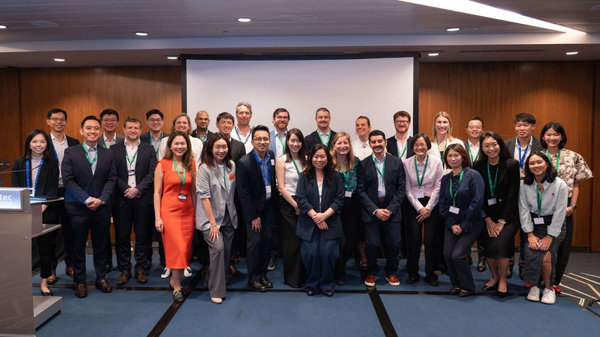
Shipping Corridor partners convene to discuss decarbonisation and digitalisation Participants examine voluntary market mechanisms, book-and-claim concepts and sustainable fuels. |
|
April 27, 2026
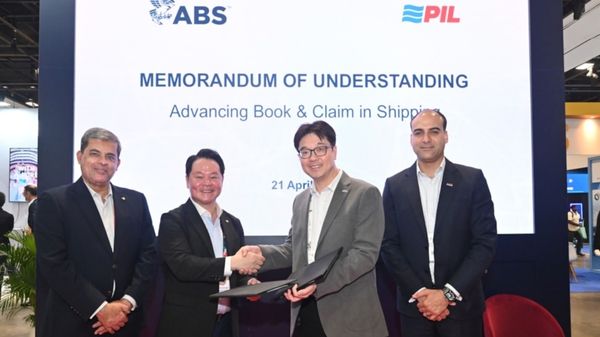
ABS and PIL partner on book-and-claim emissions verification Classification society to verify fuel consumption and emissions data for shipping line’s alternative fuel claims. |
|
April 24, 2026
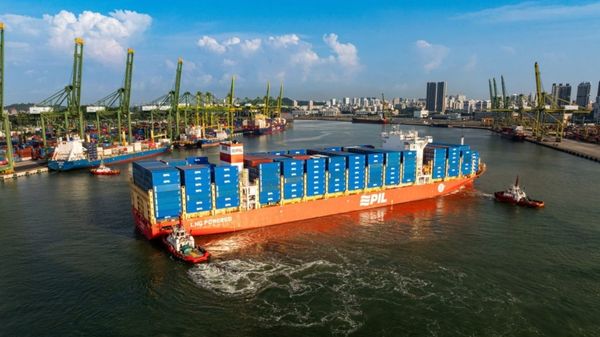
PIL and PSA launch Singapore’s first joint land-sea green shipping service DNV-verified service allows shippers to reduce Scope 3 emissions through lower-carbon fuel allocation. |
|
April 16, 2026
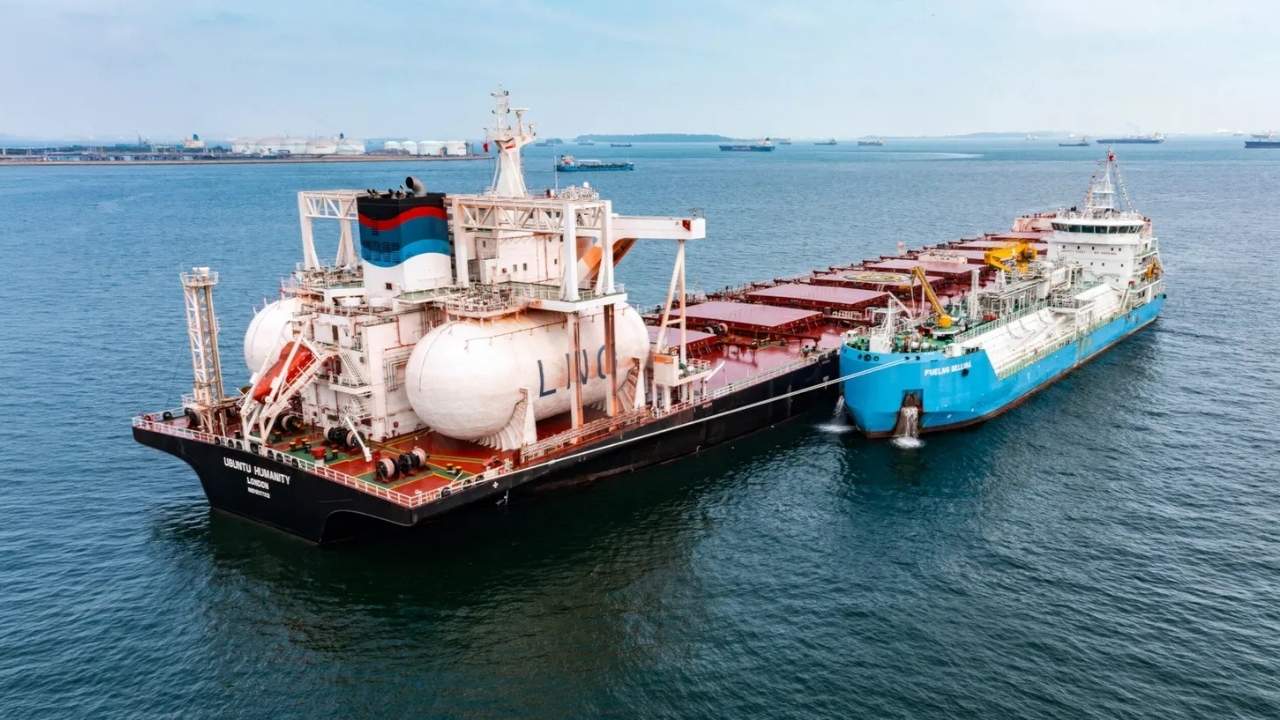
DNV says existing LNG infrastructure can support low-GHG methane transition Classification society finds biomethane and e-methane compatible with current LNG fleet and bunkering networks. |
|
April 16, 2026
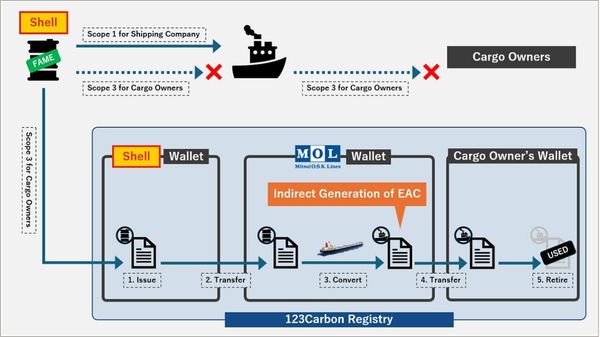
MOL and Shell launch book-and-claim scheme for marine biofuel emissions credits Japanese shipping firm partners with Shell to offer environmental attribute certificates from third-party vessel operations. |
|
April 8, 2026
MOL develops carbon inset and book-and-claim programme for alternative marine fuels Japanese shipowner details mechanism to verify, certify and fund use of biomethanol and other low-carbon fuels. |
|
February 25, 2026
Hapag-Lloyd and DSV sign 18,000-tonne CO₂e reduction agreement for sustainable marine fuels Two-year framework allows inclusion of alternative fuels beyond biofuels in shipping decarbonisation partnership. |
|
January 13, 2026
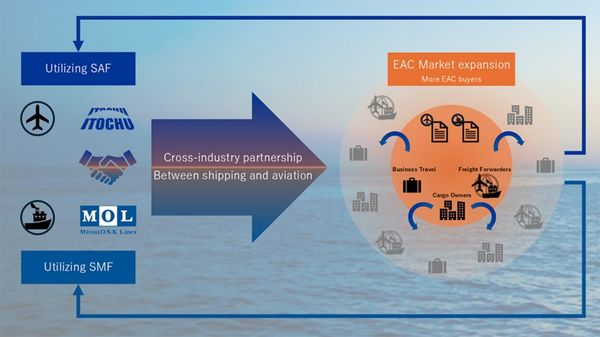
MOL and ITOCHU sign MoU for cross-industry environmental attribute certificate partnership Japanese shipping and trading firms to promote EACs for reducing Scope 3 emissions in transport. |
|
December 23, 2025
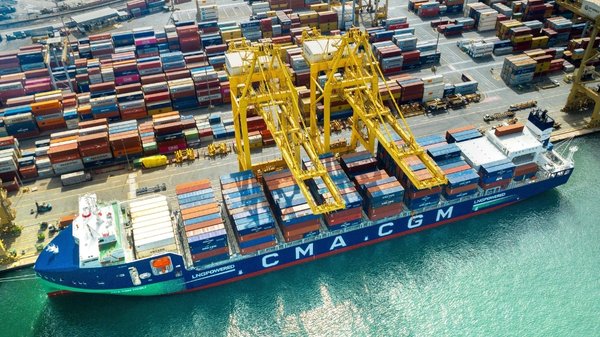
DHL and CMA CGM partner on 8,990-tonne biofuel purchase for ocean freight decarbonisation Logistics and shipping firms to use UCOME biofuel, targeting 25,000-tonne CO2e reduction. |

|
October 27, 2025
ScanOcean completes first carbon inset transaction in new environmental service Bunker seller launches service enabling shipowners to use biofuels while cargo owners purchase emissions reductions. |
|
September 23, 2025
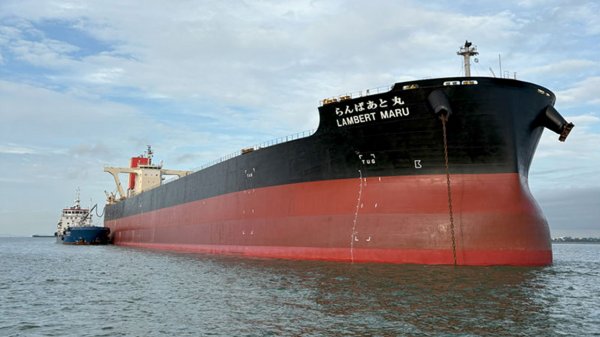
MOL capesize bulker begins first biofuel voyage for Anglo American Japanese shipping firm uses B30 biodiesel blend on Lambert Maru under carbon inset programme. |
|
September 22, 2025
Henkel expands sustainable marine fuel partnership to cover 9,000 TEUs in 2025 Initiative expected to reduce transport emissions by 4,700 tonnes of CO2 equivalent. |
|
May 17, 2024
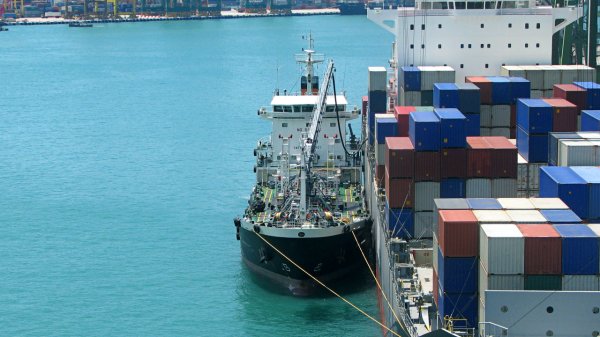
Bunker Holding launches carbon insetting capability Supplier aims to help buyers overcome the relative higher cost of alternative fuels via cost sharing. |
