Wed 4 Apr 2012, 13:33 GMT

APL on course to cut emissions by 30%


Container carrier says new vessel program and slow steaming have helped improve fuel efficiency.


Container carrier APL said today that it is on course to reduce the carbon exhaust emissions from its global shipping operations by 30% by 2015. The Singapore-based line said the combination of an influx of new vessels and its slow steaming initiative puts the target within reach.

By 2015, APL said its fleet will produce 130 gramnes of carbon exhaust for every TEU (twenty-foot equivalent unit) of cargo transported one nautical mile. That would be a 30% reduction from emission levels in 2009 - when outside auditors first calculated APL’s carbon footprint.

"We’re changing the profile of our fleet with larger, more efficient ships that will significantly curb exhaust emissions," said APL President Kenneth Glenn. "It’s the most effective way we know to make global trade environmentally sustainable."

APL said it will deploy 32 new vessels in the next three years and that the ships will be significantly more fuel efficient than its existing fleet, thus resulting in reduced emissions. What's more, APL said the ships will run at less than full speed, further curbing exhaust emissions.

The first two of the new vessels - each with 10,000 TEUs of container-carrying capacity – arrived last December. Two more are due in April.

APL said it is undertaking additional steps to curb carbon exhaust emissions that include:

* Optimizing vessel trim, speed and routing;

* Improving maintenance on vessel hulls to reduce drag in the water; and

* Upgrading cargo handling equipment at APL terminals;

According to industry figures, international shipping produces 2.7% of global greenhouse gas emissions. Container shipping is estimated to be responsible for approximately 25% of that amount.


VPS logo. NE Atlantic ECA will cause significant change to the current fuel mix | Steve Bee, VPS  

The possibility of off-spec issues highlights the continuing need for proactive fuel testing to protect vessels.

Kris Vedat, SmartSea. Smart ships failing to convert data into actionable intelligence, warns SmartSea  

Maritime technology firm claims vessels collect vast amounts of data but lack integration to support decision-making.

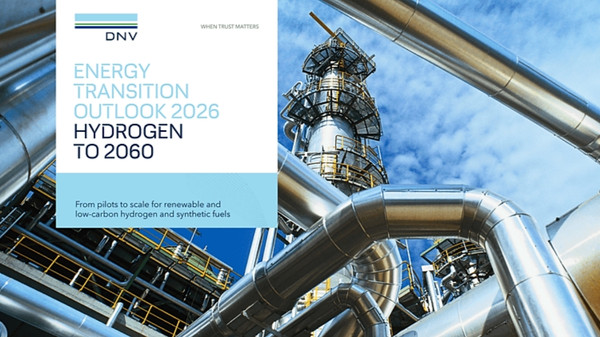
Energy Transition Outlook 2026 Hydrogen To 2060 report cover. DNV forecasts 100-fold growth in clean hydrogen by 2060, with China leading expansion  

Classification society projects $3.2tn investment in hydrogen sector, with maritime accounting for 15% of clean hydrogen use.

World Shipping Council logo. Dual-fuel container ship and vehicle carrier fleet surpasses 1,200 vessels  

World Shipping Council reports 65% year-on-year increase in operational dual-fuel vessels to 440 ships.

Sotiris Raptis, ECSA. European Shipowners calls for ETS revenue investment and fuel supplier mandate  

ECSA urges the EU to invest €9bn in annual ETS revenues in fuel production and infrastructure.

Sheen Mao Choong, SSA. Singapore bunker industry urged to prioritise resilience and collaboration  

SSA committee vice chair highlights energy security and crisis readiness at Marine Fuels Forum 2026.

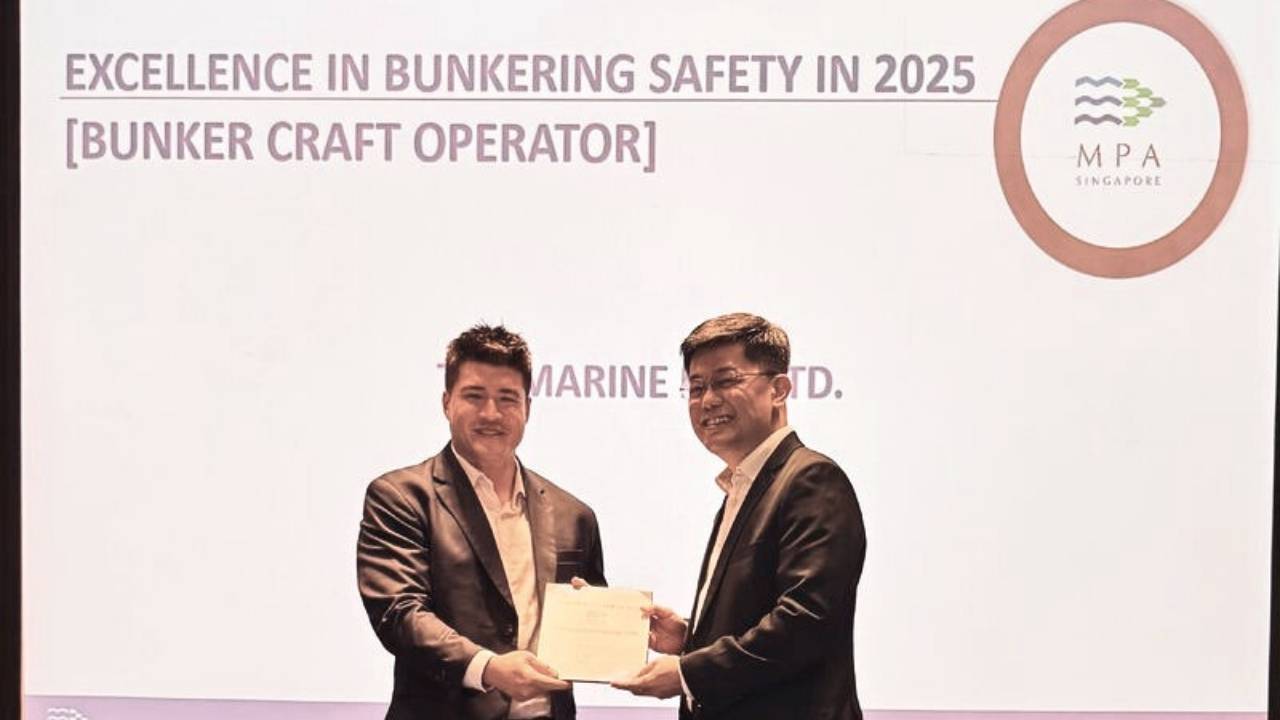
Chia How Khee, TFG Marine and David Foo, MPA. TFG Marine receives bunker safety award from Singapore maritime authority  

Marine fuel supplier recognised for safety standards and operational performance at MPA Marine Fuel Forum.

Rotterdam skyline at night. Bunker surveyor sought in Rotterdam to meet increased demand  

Dutch firm MCE Marine Surveyors is recruiting for a quantitative fuel inspection role.

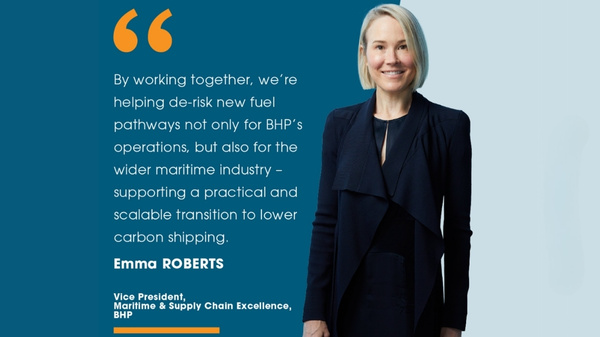
Emma Roberts, BHP. GCMD highlights BHP biofuel trials to address scaling challenges in maritime decarbonisation  

Mining company discusses need for traceability and coordinated progress across supply, cost and operational readiness.

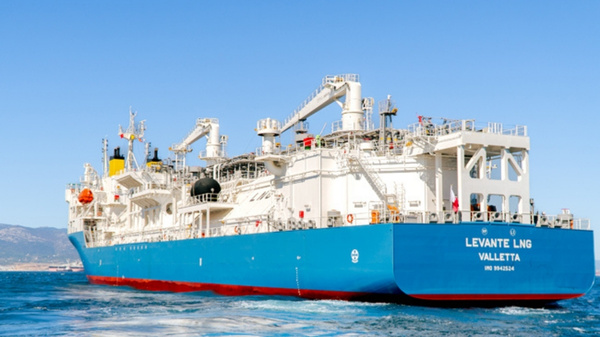
Levante LNG vessel. Peninsula implements energy efficiency measures across bunker supply fleet  

Marine fuel supplier focusing on data-driven upgrades and operational measures to cut consumption.