Thu 21 Oct 2010, 15:23 GMT

Reichstett refinery to be converted into a terminal


Petroplus confirms that it intends to cease refining at its Reichstett plant.


Petroplus Holdings AG has today announced an update on the strategic review of its Reichstett refinery, near Strasbourg, France that was launched in April to evaluate alternatives for the site.

In a statement released today. Petroplus said it has considered several possibilities, including a potential sale, further investments to improve its competitiveness, as well as a shutdown of refining operations and conversion to a terminal.

The process for a possible sale of the refinery has now concluded without presenting any buyers, and the company has determined that in the current challenging refining market and capital-constrained environment, the company cannot justify further sizeable capital investments in the plant.

As a consequence, Petroplus has today informed the Work Council of the Reichstett refinery that it intends to commence a formal information and consultation process to propose terms for a project to cease refining operations and convert the site to a terminal.

Petroplus says it is committed to help impacted employees and has proposed a job protection plan intended to mitigate the effects on them through measures such as assistance in securing new jobs, severance packages, and early retirements. Petroplus said it will also continue to provide updates as this process continues.

Petroplus Holdings AG is the largest independent refiner and wholesaler of petroleum products in Europe. It owns and operates six refineries across Europe: the Coryton Refinery on the Thames Estuary in the United Kingdom; the Belgium Refining Corporation Refinery in Antwerp, Belgium; the Petit Couronne Refinery in Petit Couronne, France; the Ingolstadt Refinery in Ingolstadt, Germany; the Reichstett Refinery near Strasbourg, France; and the Cressier Refinery in the canton of Neuchâtel, Switzerland.

The refineries have a combined throughput capacity of approximately 752,000 barrels per day.

France 

Athens cityscape. Angelicoussis Group seeks senior marine fuels desk lead in Athens  

Greek shipping group advertises senior bunker procurement role requiring 15 years' experience.

BP logo. BP seeks marine commercial manager in London to support global marine fuels business  

Role at BP Marine falls under BP's GDIST unit — part of its Trading & Shipping (T&S) division.

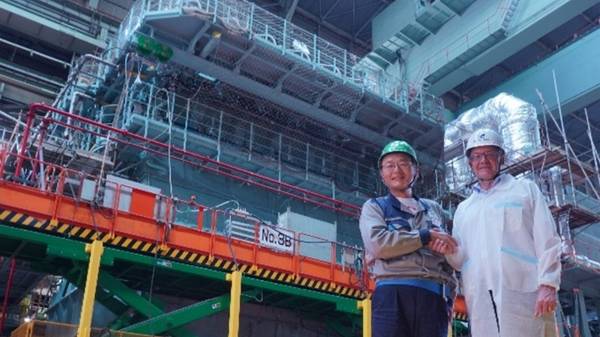
Hiroyuki Takumi and Wolfgang Dunger. Mitsui E&S completes factory acceptance test of Japan’s first WinGD methanol dual-fuel engine  

Engine set to be installed on the first of four vessels being built for a domestic shipowner.

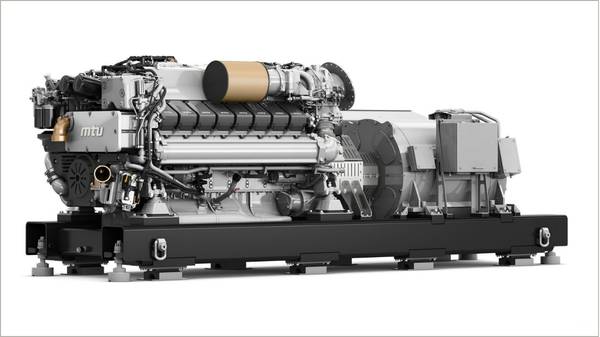
mtu Series 2000 generator set. Rolls-Royce Power Systems to showcase variable-speed gensets and SCR systems at SMM 2026  

New mtu Series 2000 units claim up to 15% fuel and CO₂ savings over constant-speed alternatives.

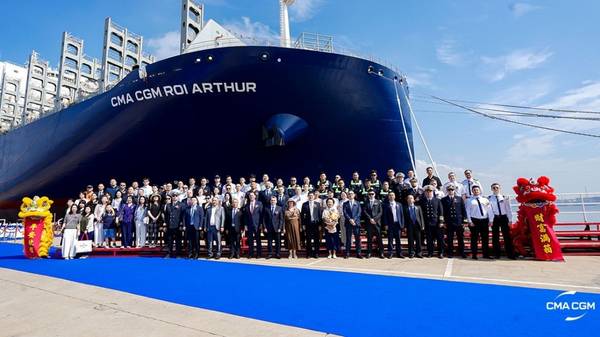
CMA CGM Roi Arthur naming ceremony. CMA CGM names 15,000-teu methanol-powered vessel Roi Arthur  

Newbuild joins the French carrier's REX2 service connecting East Asia with the Red Sea.

Quadrise and Licella logo. Quadrise and Licella update joint development agreement to advance HTL-derived marine biofuels  

Amended deal sets a clearer testing roadmap for bio-oil-based emulsion fuels for shipping.

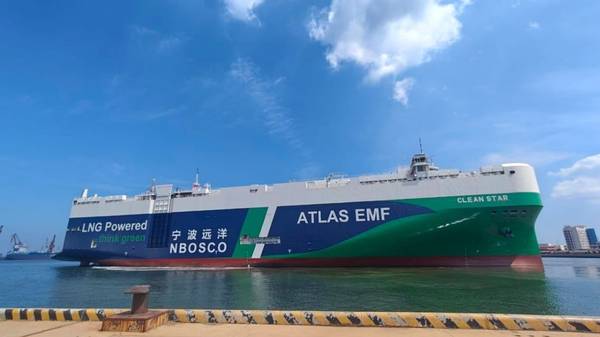
Clean Star vessel. Atlas Maritime takes delivery of dual-fuel LNG PCTC, secures $80,000/day charter  

The 7,000 RT car carrier has been placed on a two-year time charter at a rate Atlas calls record-breaking.

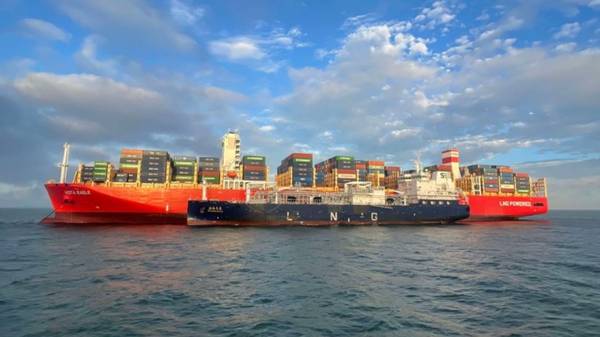
Kota Eagle ship-to-ship (STS) bunkering operation. PIL’s Kota Eagle helps Shanghai pass 2 million cbm LNG bunkering mark  

Milestone said to have been reached when boxship received 4,549 cbm of LNG from SIPG Energy’s LNG bunkering vessel.

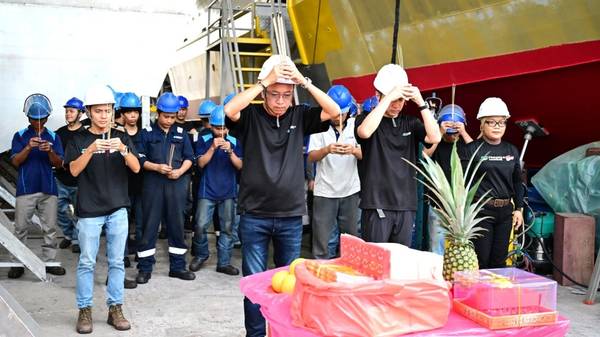
Keel-laying ceremony for B100-compatible vessel. Pinnacle Marine lays keel for fourth B100-compatible harbour craft in Singapore newbuild programme  

Singapore operator expands its B100-compatible fleet amid strong chartering demand.

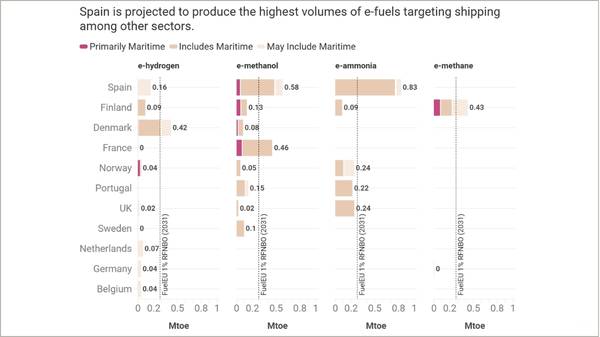
E-fuels volumes per country. Europe risks falling behind China in race to produce e-fuels for shipping  

Europe has 69 e-fuel projects but only six are operational, while China is scaling rapidly.