
|
ABS introduces nuclear-ready notation for marine and offshore assets
The classification society has released what it describes as an industry-first notation to support future nuclear conversion of vessels and offshore assets. |
|
|
|
||
|
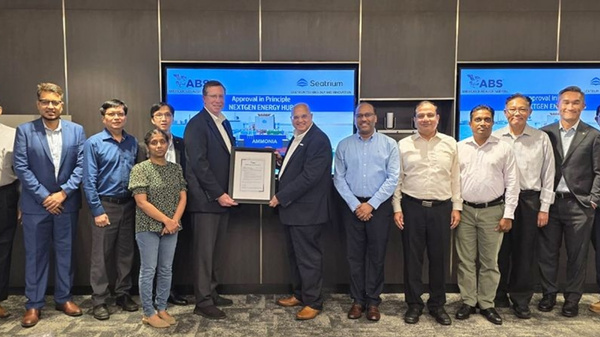
ABS grants approval in principle for Seatrium’s NEXTGEN Energy Hub design
The hub concept integrates ammonia bunkering, power generation and electric vessel charging in a single unit. |
|
|
|
||
|
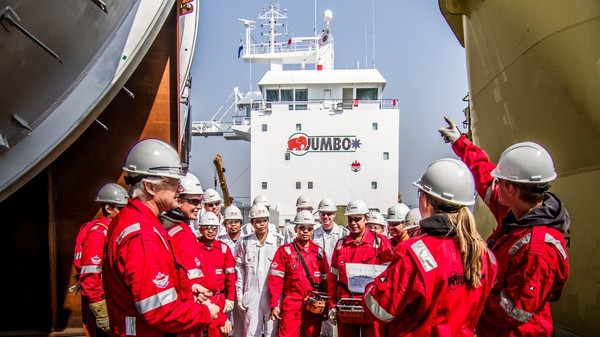
Jumbo orders two methanol-ready L-Class heavy lift vessels from Dajin Heavy Industry
Dutch heavy lift specialist Jumbo signs newbuilding contract for two 25,000-dwt vessels. |
|
|
|
||
|
Zhoushan completes first bonded bunker operation at Majishan port area
The operation marks full fuel supply coverage across all general cargo terminals in Zhoushan's port system. |
|
|
|
||

|
Port of Long Beach launches $1m methanol bunkering challenge for oceangoing vessels
A $1m prize aims to kick-start commercial methanol bunkering at one of North America's busiest ports. |
|
|
|
||
|
Greece floating nuclear study finds no fundamental barriers to implementation
A PESTLE assessment of floating nuclear power plants in Greece identifies framework gaps, not feasibility barriers. |
|
|
|
||
|
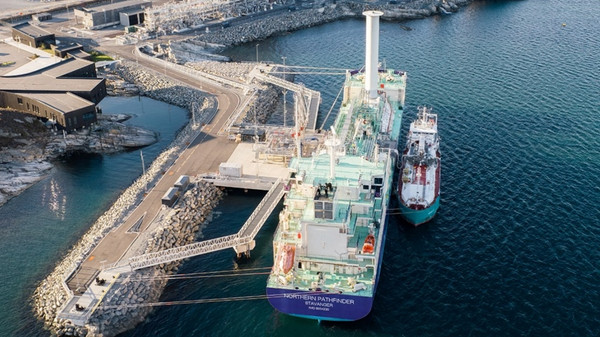
Molgas completes LNG cool-down and bunkering for Northern Pathliner at Northern Lights terminal in Norway
Operation carried out at Øygarden facility, with K Line and Integr8 Fuels in the supply chain. |
|
|
|
||
|
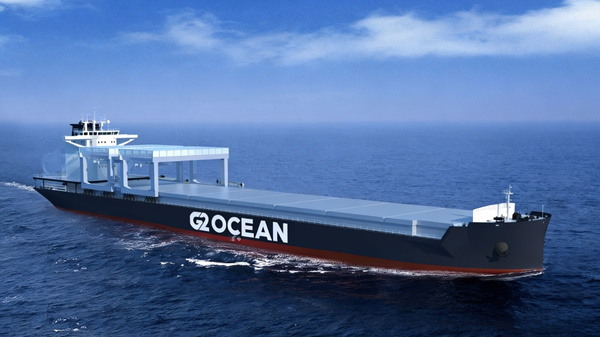
G2 Ocean expands fleet with six future-fuel ready gantry crane vessels
Open hatch specialist adds vessels and jet sail technology as part of a broad fleet renewal programme. |
|
|
|
||
|
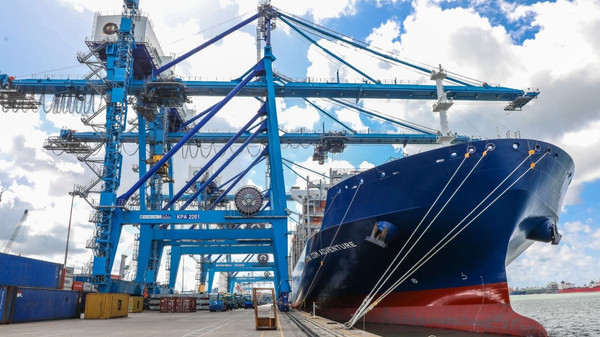
LNG-powered CMA CGM Adventure makes first call at the Port of Mombasa
Kenya Ports Authority receives its first large LNG-fuelled container vessel. |
|
|
|
||
|
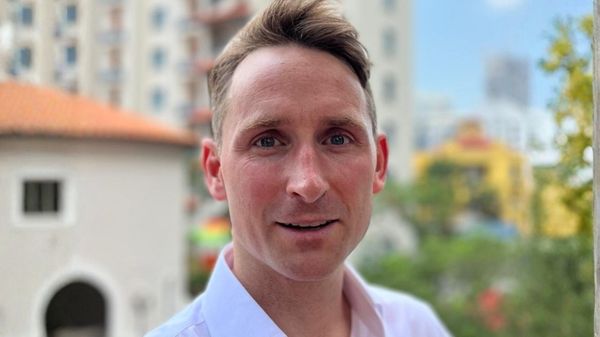
Maritime trio shapes IMO safety guidelines for ammonia as marine fuel
Real-world operational experience feeds directly into new IMO ammonia fuel safety framework. |
|
|
|
||
| New bunker quality study is launched [News & Insights] |
| Anglo-Eastern launches methanol bunkering simulator with Wärtsilä for seafarer training [News & Insights] |
| Molgas secures bioenergy certification for biogas and biomethane [News & Insights] |
| Maritime industry shifts towards LNG as alternative fuel enthusiasm stalls [News & Insights] |
| ABS chief urges IMO to pause Net-Zero Framework over fuel availability concerns [News & Insights] |
| IMO chief urges progress on net-zero framework amid Hormuz crisis [News & Insights] |

