
|
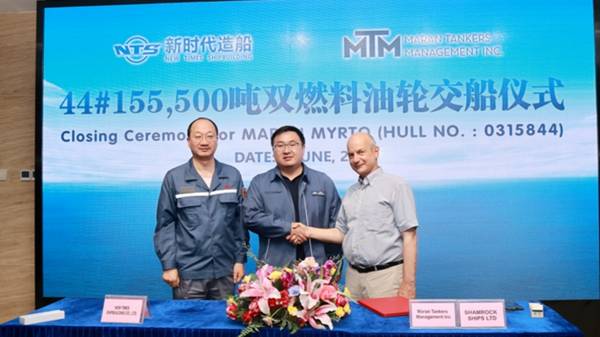
New Times Shipbuilding cuts steel on two crude tankers and delivers LNG dual-fuel vessel
Chinese yard marks a busy 4 June with steel-cutting ceremonies and a tanker delivery to Maran. |
|
|
|
||
|
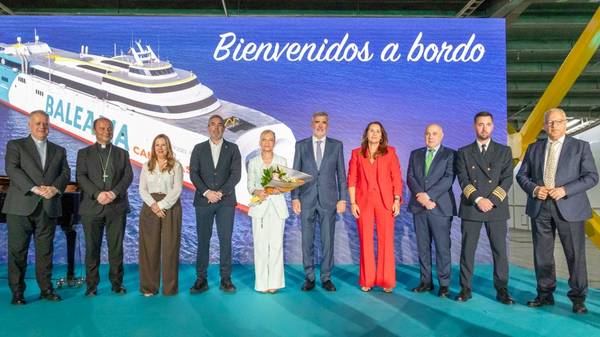
Baleària Canarias christens €128m dual-fuel fast ferry Mercedes Pinto for inter-island routes
The catamaran will connect Tenerife, Gran Canaria and Fuerteventura with six daily departures. |
|
|
|
||
|
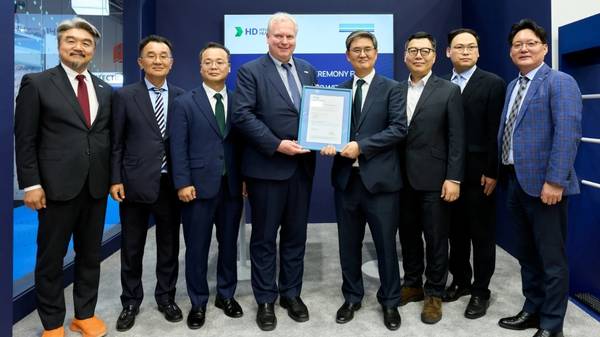
DNV awards AiP to HHI for LPG dual-fuel container vessel design
Approval in principle granted for ship design targeting the underserved smaller container segment. |
|
|
|
||
|
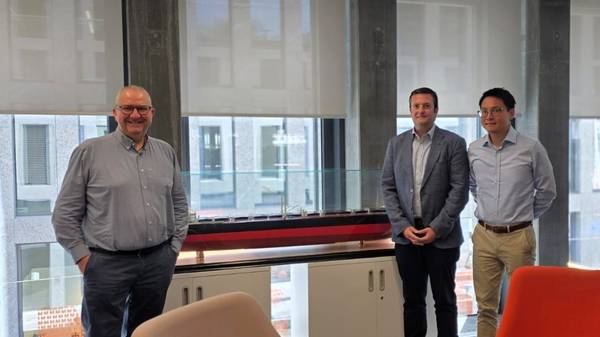
Seascale Energy partners with Lloyd’s Register Advisory to build decarbonisation expertise
The bunker firm has launched a knowledge partnership covering low-carbon fuels and maritime regulations. |
|
|
|
||
|
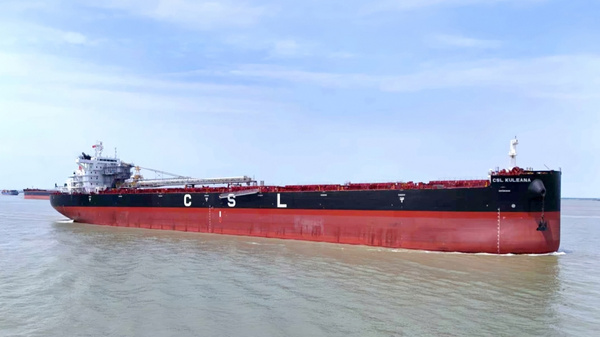
CSL takes delivery of methanol-ready Kamsarmax as fleet renewal programme advances
MV CSL Kuleana departs on maiden voyage, equipped with Tier III engines. |
|
|
|
||

|
LNG orderbook share hits 90% as methane pathway investment holds firm
LNG bunkering volumes surge and biomethane uptake grows six-fold, despite geopolitical headwinds. |
|
|
|
||
|
NYK to offset ship emissions with CDR credits from Loblolly project
Japanese shipping group turns to biomass-based carbon sequestration to address residual maritime emissions. |
|
|
|
||
|
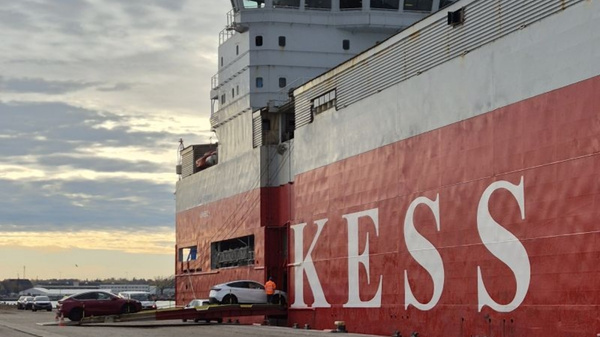
K Line orders four LNG dual-fuel car carriers for European short-sea operations
Kawasaki Kisen Kaisha contracts quartet of 1,380-vehicle vessels at China Merchants Jinling Shipyard. |
|
|
|
||

|
Bunge seeks bunker purchaser for Rotterdam operation
Agribusiness is looking for candidates with experience in marine fuel procurement. |
|
|
|
||
|
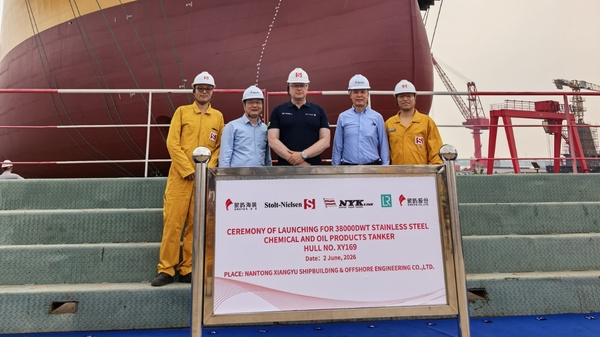
First vessel in NYK Stolt Tankers’ newbuild series launched in China
FKAB-designed 38,000 DWT chemical tanker launched at Nantong Xiangyu Shipyard, China. |
|
|
|
||
| Antarctic fuel ban approved for adoption in 2010 [News & Insights] |
| MARPOL amendments: ship-to-ship oil transfer [News & Insights] |
| Concern raised over Antarctic fuel ban [News & Insights] |
| Norway spill: Clean-up work continues [News & Insights] |
| Anemoi completes rotor sail installation on 400,000 DWT ore carrier [News & Insights] |
| CSL Group's Frank Dahan appointed chair of IBIA's Americas regional board [News & Insights] |
| IMO agrees workplan for safety rules on battery-, wind- and nuclear-powered ships [News & Insights] |
| FuelRe4m CEO calls IMO Net-Zero Framework 'tax game disguised as climate policy' [News & Insights] |
| IMO adopts Northeast Atlantic ECA covering waters from Portugal to Greenland [News & Insights] |

