
 |
Norwegian bunker trader Bergen Bunkers has achieved EcoVadis Platinum status, the highest level available under the sustainability assessment framework, according to a company announcement on 14 January.
This rating places Bergen Bunkers among a small group of companies assessed by EcoVadis as top performers across sustainability criteria, which cover environmental management, labour and human rights, ethics, and responsible sourcing.
Bergen Bunkers said the recognition complements its existing portfolio of certifications, including ISO 9001, ISO 14001, ISCC PLUS, and European Union-related approvals, reinforcing its position as an independently operated bunker trader focused on environmental and quality standards.
ISO 9001 certification relates to quality management systems, while ISO 14001 addresses environmental management processes. ISCC PLUS certification supports traceability and sustainability requirements for products such as biofuels and renewable feedstocks used within energy supply chains.
Bergen Bunkers claims the achievement demonstrates that independent bunker traders can remain competitive on sustainability credentials while maintaining operational flexibility, even as regulatory and market expectations continue to evolve.
Bergen Bunkers is headquartered in Bergen, Norway, and operates as an independent trader of marine fuels.
|
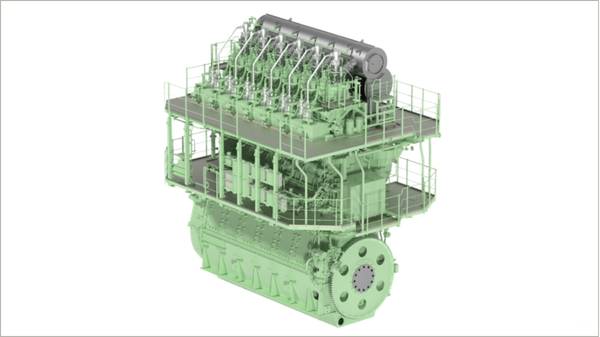
J-ENG secures orders for four ammonia-fuelled engines under Japanese PCTC project
Vessels form part of plan to build four ammonia-fuelled car carriers, a dedicated bunkering vessel and supply chain. |
|
|
|
||
|
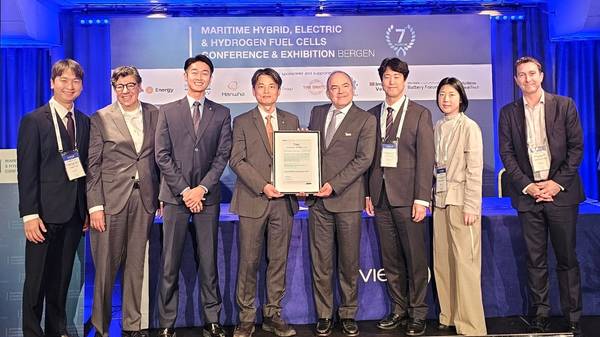
ABS grants AIP to Hanwha Power for 1,700-TEU battery-powered container ship
Design uses roughly 151 MWh of swappable battery storage for fully electric propulsion on a container vessel. |
|
|
|
||
|
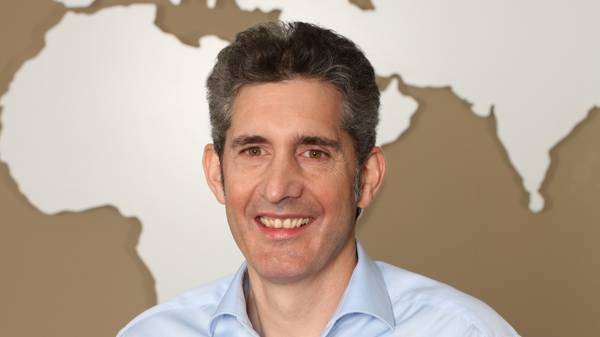
WinGD signs first licence deal with HD Hyundai Marine Engine to expand Korean production
Mid-bore engine portfolio gains new production route into Korea's bulk carrier and tanker newbuild markets. |
|
|
|
||
|
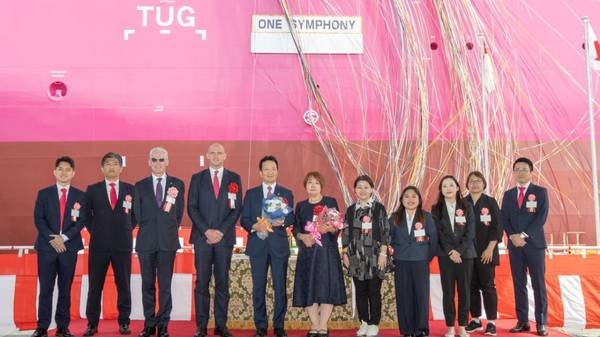
Ocean Network Express names ammonia- and methanol-ready newbuild ONE Symphony
Vessel features conventional diesel main engine, with concept designs approved for possible future conversion to methanol or ammonia. |
|
|
|
||
|
Sing Fuels seeks Asia-based supply trader to bolster bunker procurement team
Singapore bunkering firm is recruiting a supply trader to manage marine fuel purchasing across Asia. |
|
|
|
||
|
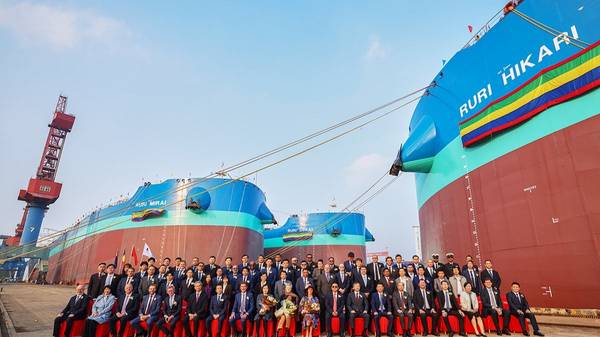
MOL names world's first ammonia-fuelled Capesize bulk carriers
Naming of Ruri Mirai, Ruri Sekai and Ruri Hikari signals ammonia's arrival as a marine fuel for large bulk carriers. |
|
|
|
||
|
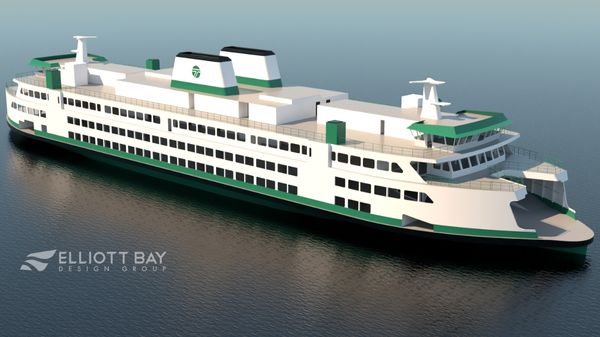
ABB wins Washington State Ferries' third hybrid-electric vessel order
ABB extends its role in the US ferry operator's electrification programme, which targets emission-free operations by 2050. |
|
|
|
||
|
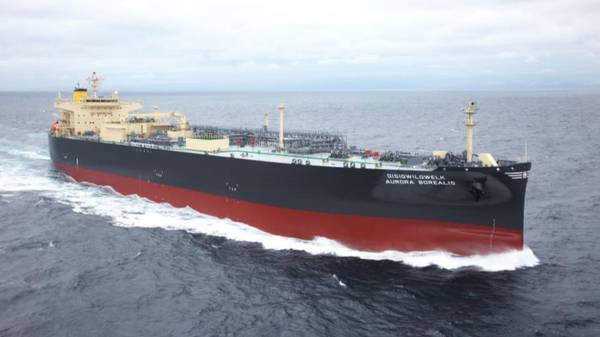
Kawasaki Heavy Industries delivers LPG-fuelled carrier Aurora Borealis
Ship could also be modified in future to allow for ammonia-fuelled operation. |
|
|
|
||
|
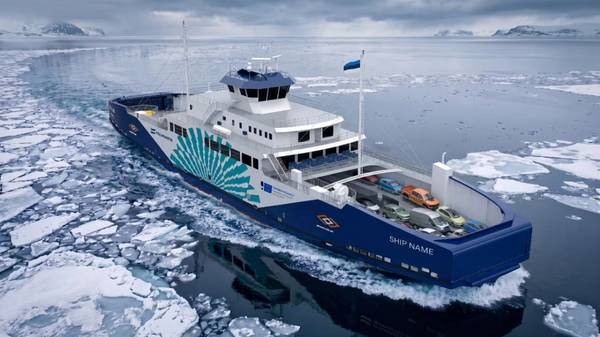
Estonian State Fleet's shore-charged electric ferry completes model testing in Germany
Hull and propulsion tests show the vessel's energy consumption remains within contracted limits with room to spare. |
|
|
|
||
|
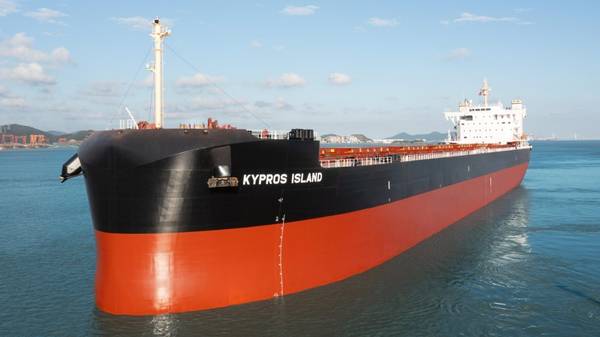
Tsuneishi delivers first methanol dual-fuel Kamsarmax bulk carrier from Chinese yard
Shipbuilder claims progress towards establishing a mass-production system for vessels designed to reduce environmental impact. |
|
|
|
||
| Superalfuel workshop to examine safety and sustainability of alternative marine fuels [News & Insights] |
| Burando Atlantic publishes first sustainability report, secures ISCC EU recertification [News & Insights] |
| Study maps phased pathway for India to build a regional alternative marine fuel hub [News & Insights] |
| Fincantieri floats out Explora V and marks coin ceremony for Explora VI [News & Insights] |
| VPS to host Athens seminar on fuel efficiency and carbon reduction [News & Insights] |
| Shanghai and Melbourne ports move green shipping corridor into delivery phase [News & Insights] |
| Pinnacle Marine launches two B100-compatible utility boats for Excelessel Offshore [News & Insights] |
