
 |
Columbia Group says it is maintaining steady crewing levels across its fleet, contrasting with widespread industry warnings of a growing seafarer shortage that is expected to reach 90,000 workers by 2026.
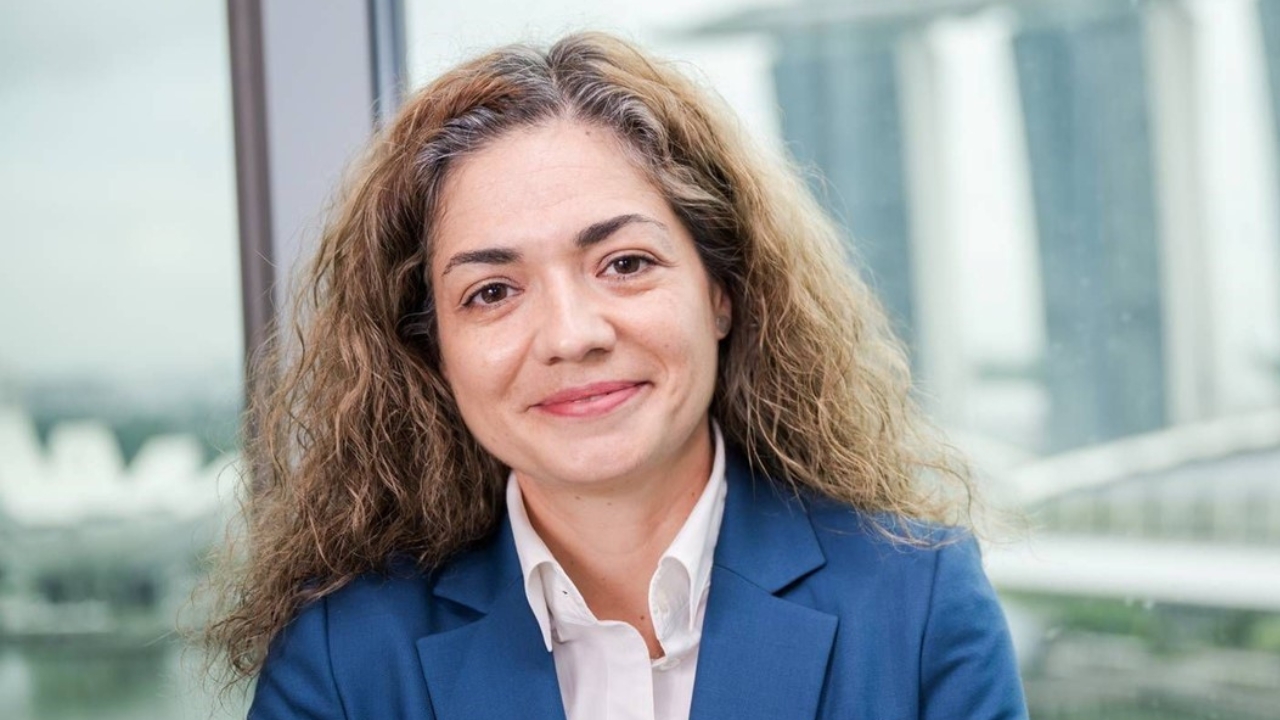
"We are well-positioned with our current pool of seafarers," said Simona Toma, Chief of Maritime HR at Columbia Group. "What we are seeing is a clear change in what seafarers want. Tankers, offshore units, and cruise ships are now preferred by many younger officers and crew who value competitive pay, shorter rotations, and opportunities for growth in more specialized or dynamic environments."
The ship management company, which has provided maritime services for over 45 years, attributes its position to a shift from traditional crewing to what it describes as a Maritime HR philosophy.
Ms. Toma explained that each vessel type offers its own appeal, from the technical challenges and advanced systems of tankers and offshore units to the social, multicultural experience of working on cruise ships. She said: "Today's crew expect both professional satisfaction and personal well-being."
According to the company, Columbia places the seafarer at the center of every decision, aligning recruitment, training, welfare, and career progression under one strategy. A focus area is training crews in LNG operations and alternative fuels, which the company says will build competence and confidence for a changing energy landscape.
Columbia's investment in specialized training reflects its view that LNG knowledge will form the foundation for working safely with future fuels such as ammonia and hydrogen.
Ms. Toma said: "We have the people, but we also have a responsibility to prepare them for what comes next, whether that is working with new fuels, adapting to digital systems, or developing stronger leadership at sea. The conversation should evolve into how we invest in people so they can evolve with the industry."
The wider shipping industry has been reporting labour shortages at a 17-year high, with the International Chamber of Shipping projecting a shortfall of 90,000 trained seafarers by 2026. Before Russia's invasion of Ukraine in February 2022, Russian and Ukrainian seafarers made up almost 15% of the global shipping workforce.
Columbia says it is continuing to strengthen leadership and resilience training across its network.
Ms. Toma added: "Technology will keep changing, but human judgment remains the strongest safeguard onboard any vessel. Our goal is to empower seafarers to thrive, not just to fill positions. Seafarers today have more choice than ever, and our role is to make sure every choice feels worthwhile."
Columbia Group operates more than 40 management and representative offices, crew agencies, and training centers worldwide.
|
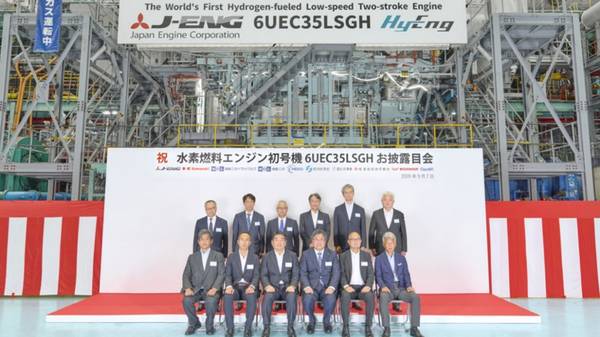
Japan Engine completes land-based testing of landmark hydrogen-fuelled engine for large vessels
Hydrogen co-firing rate of at least 95% achieved during factory testing. |
|
|
|
||
|
Ethanol edges into shipping’s fuel mix as methanol crossover eases adoption barriers
Rising interest from cargo owners, shared technology with methanol and Brazilian production growth push ethanol beyond regional niche status. |
|
|
|
||
|
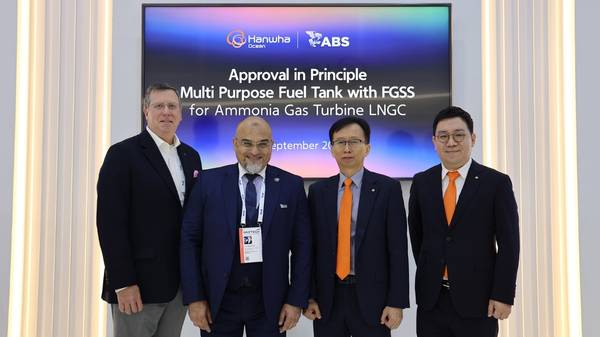
ABS grants Hanwha Ocean approval for dual-fuel tank enabling LNG-to-ammonia switch
In-principle approval awarded for fuel tank and supply system enabling LNG carriers to convert to ammonia without replacement. |
|
|
|
||
|
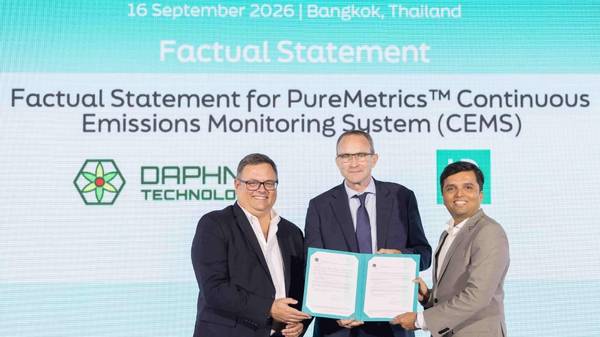
Lloyd's Register confirms suitability of Daphne Technology's emissions monitoring system
Factual Statement validates the PureMetrics design for monitoring greenhouse gas emissions from marine engines. |
|
|
|
||

|
IMO issues shipboard biofuel blend checklist developed by IBIA
Checklist for FAME-based biofuels formally incorporated into IMO document, supporting crews handling biofuel blends for the first time. |
|
|
|
||
|
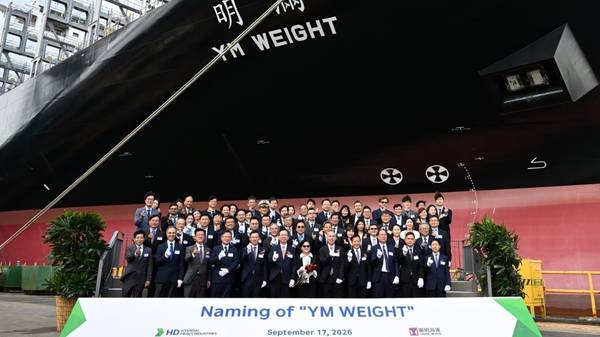
Yang Ming names fourth LNG dual-fuel container vessel YM Weight
Newbuild features high-pressure dual-fuel main engines capable of running on either LNG or low-sulphur fuel oil. |
|
|
|
||
|
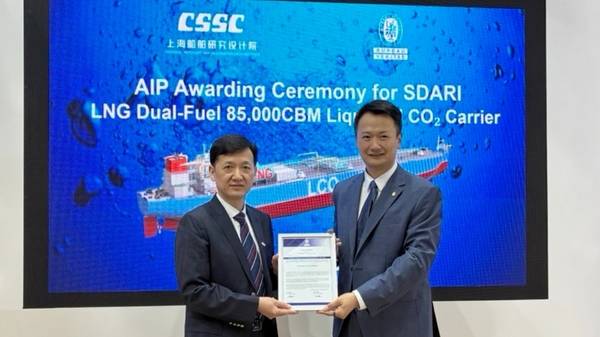
Bureau Veritas grants AiP to SDARI’s LNG dual-fuel liquefied CO₂ carrier design
Classification society approves 85,000-cbm vessel concept designed to support the growing carbon capture and storage sector. |
|
|
|
||

|
JuWonOil looking to strengthen with two Houston hires
Texas-based firm is recruiting a marine lubricants sales executive and a marine fuels and distillates trader. |
|
|
|
||
|
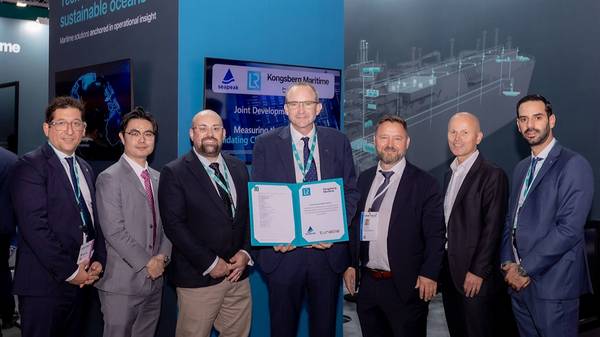
Four firms partner to trial continuous emissions monitoring on LNG carrier
LR, Seapeak, Kongsberg Maritime and Tunable will test onboard CO₂ monitoring against engine data and default emissions factors. |
|
|
|
||
|
Bunker Holding reshuffles commercial leadership across brand portfolio
Appointments announced across KPI OceanConnect, Glander International Bunkering and its digital sales operations. |
|
|
|
||
| Dual-fuel vessels will dominate next decade, says Columbia Group [News & Insights] |
| ClassNK partners with GTT Training to offer alternative fuels courses [News & Insights] |
| Fincantieri launches Viking Astrea with liquid-hydrogen propulsion at Ancona shipyard [News & Insights] |
| Flexibility, not fuel choice, is key to energy transition, says Auramarine [News & Insights] |
| NYK Cruises’ Asuka III cuts annual CO₂ emissions by 1,300 tonnes through LNG fuel use [News & Insights] |
| Avenir LNG vessel completes first LNG bunker delivery to Icon of the Seas in Honduras [News & Insights] |
| Carnival's CSMART seeks specialist instructor for LNG-as-fuel training in Netherlands [News & Insights] |
