
 |
It's very apparent that global shipping's drive to decarbonise is well under way. The shipbuilding profile is changing dramatically, highlighted by the 2023 order book showing 539 newbuilds capable of running on low-to-zero carbon fuels being ordered. This equates to 45% of all orders in terms of gross tonnage.
LNG dual-fuel vessels are currently the most popular vessels of choice, but methanol-capable vessels have gained traction. Looking at January to September 2024, 49% of the gross tonnage on order was for vessels configured to be alternative fuels ready, with this specific order book growing by 24% year on year. It's obvious that shipping is keeping its options very much open and looking for as much flexibility as possible regarding fuel choices for its ships.
The industry currently bunkers 230 million metric tonnes (MMT) of fuel per year. Burning this fuel equates to emissions of 716 MMT of CO2 equivalent, as the majority of the fuel burnt continues to be traditional fossil fuels. However, the list of environmental legislation and directives to reduce emissions from shipping is ever-increasing in order to reduce SOx, NOx, particulate matter, CO2, methane, and other greenhouse gases. It is this regulatory demand which is driving the development of numerous alternative low-to-zero carbon fuels for marine use.
VPS has been, and continues to be, at the forefront of fuels research and development and continues to pioneer and develop test methods for such fuels.
Methanol bunkers and bunkering facilities are growing, with 13 ports now offering methanol. But this methanol is predominantly grey, and tank-to-wake emissions from grey methanol are similar to conventional fossil fuels. The maritime sector must look to use the sustainable 'green' methanol options of e-methanol, bio-methanol, or blue methanol.
Types of methanol
How various types of methanol are produced.
| Type of methanol | Production process |
|---|---|
| Grey/brown | Production from natural gas or coal |
| Blue | Produced from hydrogen using CO2 from renewable or non-renewable sources |
| e-methanol | Produced from CO2 using electricity from renewable sources |
| Biomethanol | Produced from biomass as a feedstock (reducing well-to-wake emissions) |
IRENA forecasts that e-methanol will reach a production level of 250 MMT and bio-methanol will reach 135 MMT by 2050.
Currently, we see 39 methanol-powered ships on our seas, but a further 262 are on order.
As with all fuels, there are numerous pros and cons to using methanol as a marine fuel. Methanol fuel handling and management are certainly easier than that for LNG, with retrofit costs being less expensive and easier. Plus, green methanol sources offer almost near-zero GHG emissions.
In terms of ECA compliance, methanol conforms to SOx, NOx, and PM content. It is biodegradable, miscible with water, and a liquid at atmospheric pressure, all of which are positive factors in terms of fuel management and handling.
As demand grows, methanol should become more cost-competitive, with an increasing number of ports providing methanol.
However, methanol has half the energy of maritime's current fossil fuels and a flash point of only 12ºC. Current availability of green methanol is still an issue; yet, this year, industry news highlighted that some green methanol projects have been cancelled, e.g., one in Antwerp (Orsted) and FlagshipONE in Sweden.
Over the past two years, VPS has made significant investments in CAPEX for new laboratory equipment, plus the training of laboratory staff, technical advisors, and bunker quantity surveyors, to survey, sample, and test methanol bunkers.
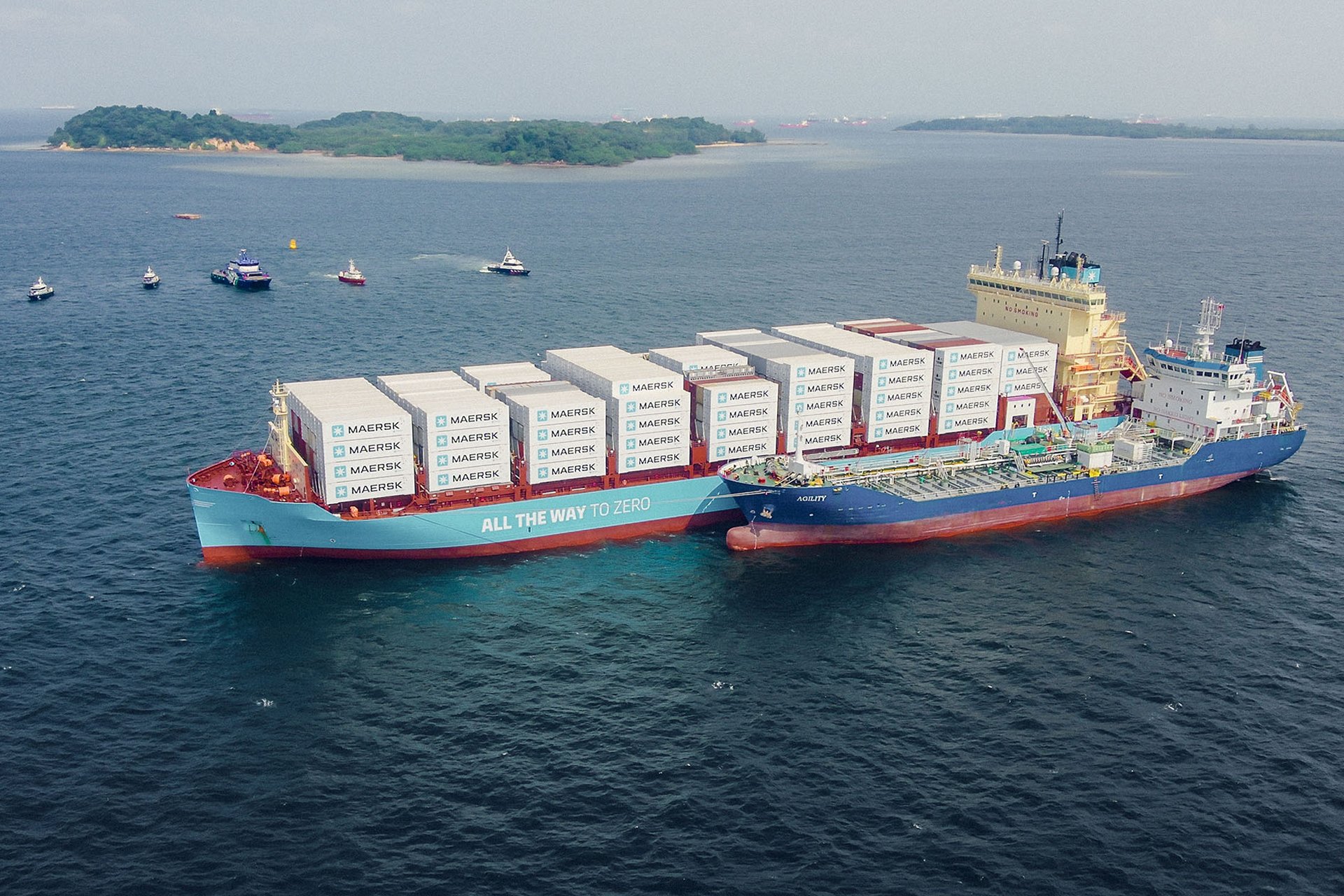
The summer of 2023 saw VPS act as the partner of choice to Maersk and undertake work during the maiden voyage of the Laura Maersk. We surveyed, sampled, and tested the methanol loadings in Singapore, Port Said, and Rotterdam. As part of the requirements, changes to bunkering practices and procedures included heightened H&S processes, increased levels of tank cleaning, the use of closed-sampling devices, and the use of biofuel as the pilot fuel, which also required testing. Testing was under the International Methanol Producers and Consumers Association (IMPCA) specification, with the results on specification from all three loadings.
Since then, VPS has also worked with OCI, covering similar work on the ECO Maestro.
In October 2024, it was announced at SIBCON 2024 that Singapore will release a new technical reference standard for methanol before the year-end, which covers fuel transfer, quality and quantity measurements, as well as operational and safety instructions and crew training. VPS has been closely involved in the development of this new methanol standard by forming part of the Working Group.
This same group will also release a similar standard for ammonia in 2025.
The announcement from Singapore was followed by a further notification from the International Standards Organisation (ISO) in November 2024. The ISO announcement highlighted the release of the publication of the first edition of its international standard for methanol as marine fuel, ISO 6583:2024. This standard sets the requirements and limits for three methanol grades for marine: MMA, MMB, and MMC. It uses the IMPCA specifications as a starting point, with some properties less critical for marine and other fuel-related aspects not covered. Grade MMC allows for wider tolerances in certain characteristics compared to MMB, while MMA includes additional requirements for lubricity and cleanliness. The new Singapore Methanol Standard will reference ISO 6583 for quality requirements under its custody transfer section.
Summary
As decarbonisation and legislation drive the development of low-to-zero carbon fuels, the demand for methanol will grow, as it provides an excellent way to achieve immediate reductions in emissions compared to fossil fuels.
VPS is experienced in providing methanol surveying, sampling, and testing work and capable of offering key technical support to its customers.
All of this is evidence that the global shipping industry is well on its way and intent on delivering upon its decarbonisation goals, but with many challenges still to overcome.

|
Petrobras resumes bunkering operations at Rio Grande Terminal after power restoration
Brazilian supplier restarts marine fuel supply after completing an inspection following an electricity outage. |
|
|
|
||
|
Stena RoRo orders battery-ready E-Flexer 2.0 ferries from Chinese yard
Vessels include diesel engines capable of running on biodiesel and are methanol-ready. |
|
|
|
||
|
Nord Gas Solutions to supply cargo and fuel systems for eight BW LPG VLGCs
Gas-handling systems specialist awarded contract for new 90,000-cbm vessels. |
|
|
|
||
|
TFG Marine fits mass flow meter to Jamaica-bound bunker barge
Kingston Trader becomes the first Caribbean bunkering vessel with mass flow metering as TFG Marine’s fleet coverage nears 90%. |
|
|
|
||
|
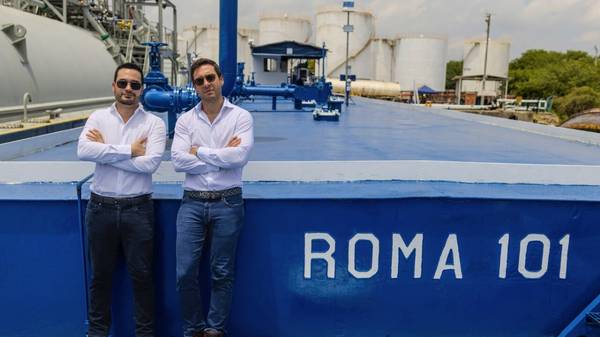
Monjasa announces full-chain marine fuel operations in Cartagena
Monjasa says it now covers the entire marine fuel supply chain in Colombia, from oil wells to ship-side deliveries. |
|
|
|
||
|
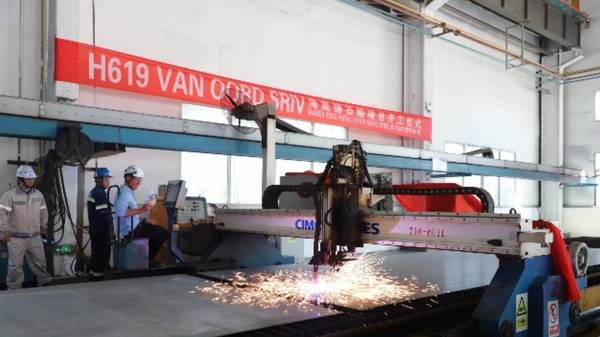
Ceremonies held for Van Oord’s methanol-hybrid rock installation vessels
Two ships advance through parallel construction at China’s CIMC Raffles shipyard. |
|
|
|
||
|
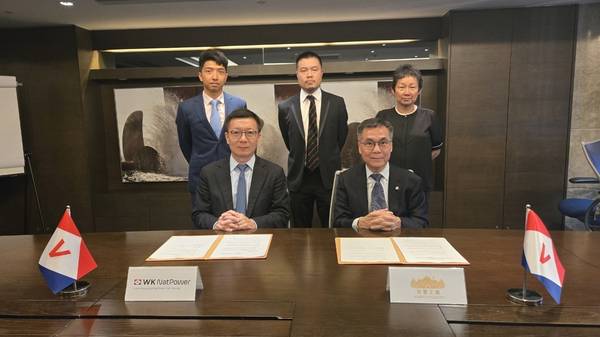
Wah Kwong NatPower signs MoU to explore Hong Kong marine electrification
Venture will examine shore power, vessel charging and electric vessel deployment around Aberdeen’s waterfront. |
|
|
|
||
|
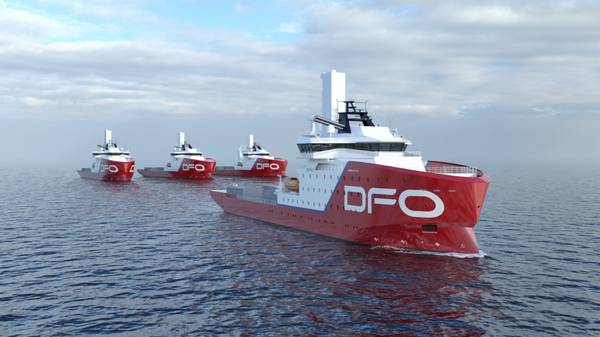
Dong Fang Offshore orders CSOV with battery-hybrid propulsion
Vard secures fifth newbuild contract from Taiwanese firm, with delivery scheduled for 2028. |
|
|
|
||
|
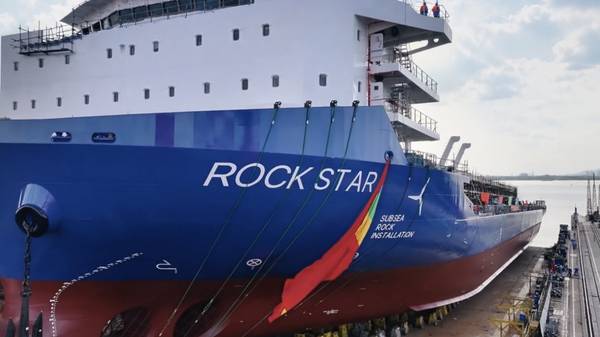
CSL and OWL launch first subsea rock installation vessel for offshore wind
MV Rock Star can run on MGO and methanol and is designed to support scour protection and cable burial for offshore wind projects. |
|
|
|
||
|
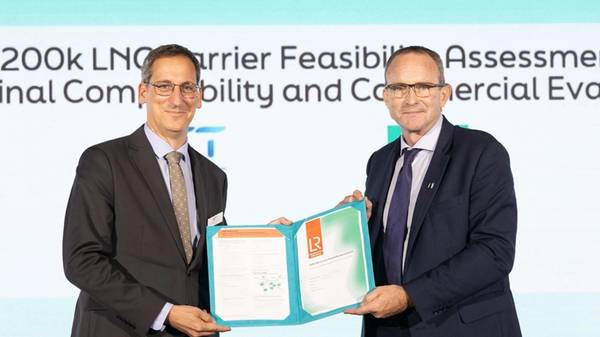
Lloyd’s Register study backs 200,000-cbm LNG carriers for fleet renewal
Analysis finds larger LNG carriers could cut transport costs while retaining access to most major terminals. |
|
|
|
||
| VPS performs first methanol bunker quantity survey [News & Insights] |
| World's first methanol-fuelled boxship completes maiden trip [News & Insights] |
| Maersk signs green methanol deal with China's Goldwind [News & Insights] |
| Methanol Institute publishes comprehensive fuel guide [News & Insights] |
| VPS to host Hamburg seminar on fuel quality and decarbonisation [News & Insights] |
| VPS to host Hamburg seminar on fuel quality and decarbonisation [News & Insights] |
| VPS to host Dutch seminar on marine fuel quality, lubricants and decarbonisation [News & Insights] |
| VPS to host Dutch seminar on marine fuel quality, lubricants and decarbonisation [News & Insights] |
| Maersk and Anemoi to fit rotor sail on container ship in industry first [News & Insights] |
