
 |
VPS has published a white paper where it asserts that the existing ISO 8217 formula for calculating energy content — a key test parameter — is not accurate for fuels containing FAME, such as biodiesel.[1]
Energy content represents the amount of heat transferred within the combustion chamber during the burn process and indicates the available energy from the fuel. Higher energy content results in higher power generation and better combustion efficiency. The energy content has a direct impact on fuel economy and greenhouse gas emissions and is therefore an important parameter for ship operators to consider in preparation for the EU ETS.
In the VPS research paper, a number of conventional fossil fuels and biofuels with varying FAME content were measured using the ASTM D240 method and the energy content compared with that obtained using the ISO 8217 calculation method (which uses a formula specified in Appendix H of the International Marine Fuel Standard ISO 8217:2017).
The results show good correlation for conventional fuels and distillates, indicating that the ISO 8217 calculation method provides an acceptable degree of accuracy for measuring energy content in conventional fuel types. However, according to VPS, this correlation falls away at FAME content above 10%, thus demonstrating that the ISO 8217 calculation method cannot be relied upon to provide accurate energy content for fuel blends containing more than 10% FAME and that, for these blends, the accuracy of the calculation formula is not acceptable, and accurate energy content can only be determined by measurement using calorimetry.
"This inaccuracy," VPS says, "is due to the greater oxygen content of FAME ... as compared to conventional fuels (which typically contain very little oxygen)."
The ISO 8217 formula is only based on the linear relationship between density and energy content, VPS explains, but does not account for oxygen present in FAME.
As the FAME and the oxygen in the FAME are both variables, a linear relationship between the FAME and the energy content could therefore not be established in studies carried out on biofuels with varying FAME content.
For blends containing more than 10% FAME, VPS concludes that the accurate assessment of energy content requires direct measurement (rather than an equation calculation) using the ASTM D240 method, which uses an oxygen bomb calorimeter to determine the energy content.
|
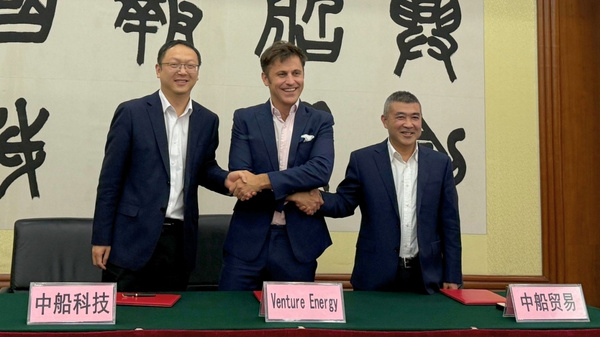
Venture Energy signs green methanol cooperation agreement
MoU establishes framework for long-term offtake and capacity development in maritime decarbonisation. |
|
|
|
||
|
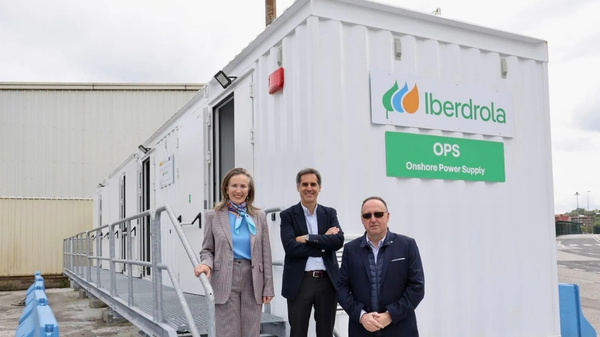
Iberdrola España completes shore power installation at the Port of Pasaia
Spanish utility installs an onshore power supply system, enabling docked vessels to use renewable electricity. |
|
|
|
||
|
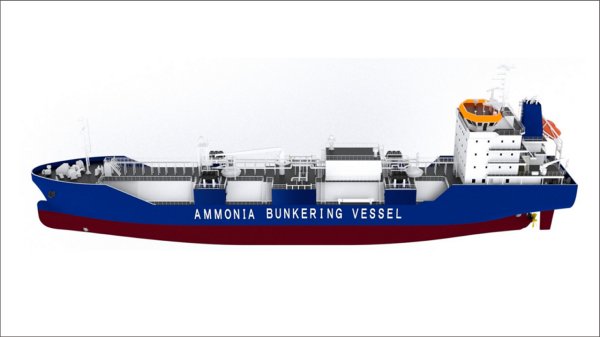
Itochu secures approval for ammonia bunkering trials in Singapore
Japanese trading house to conduct two-year trial following MPA authorisation. |
|
|
|
||
|
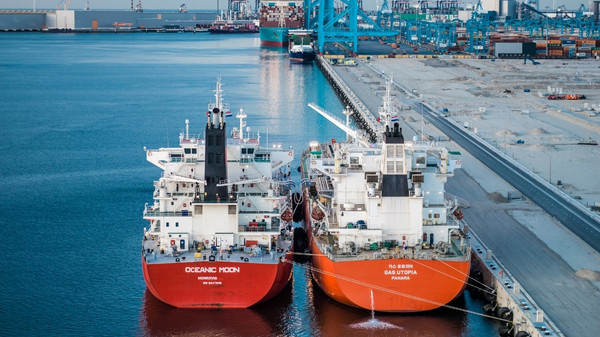
Safe ammonia bunkering in ports is possible, according to MAGPIE project findings
EU-funded MAGPIE project validates safety frameworks for ammonia bunkering operations in commercial ports. |
|
|
|
||
|
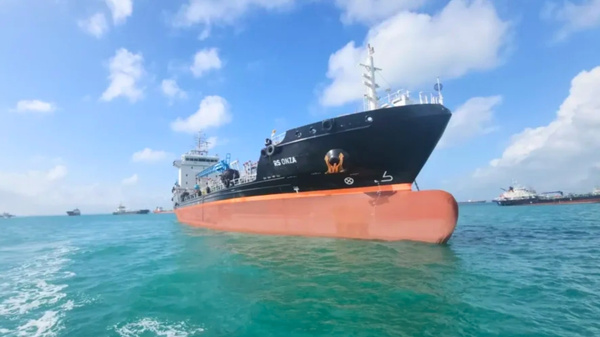
Suardiaz Group acquires methanol-capable tanker RS Onza for Moeve operations
IMO2 chemical tanker to operate in European ports, primarily Spain, for energy company. |
|
|
|
||
|
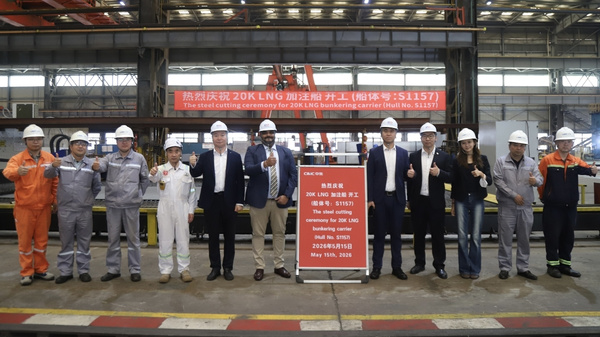
Construction begins on 20,000-cbm LNG bunkering vessel for GSX Energy
Chinese shipbuilder starts work on upgraded dual-fuel vessel with enhanced economy and energy efficiency features. |
|
|
|
||
|
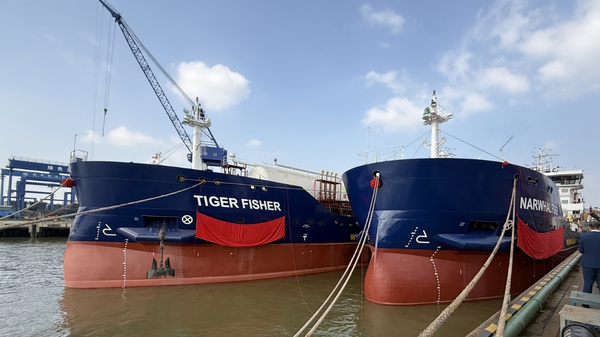
James Fisher dual-fuel tankers named at Chinese yard
FKAB-designed newbuilds are part of four-vessel FKAB T68 series and include LNG and LBG capability. |
|
|
|
||
|
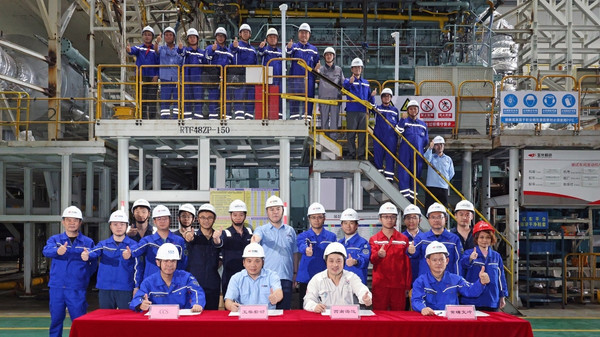
WinGD completes factory testing of ammonia-fuelled engine for LPG carrier
X52DF-A-1.0 engine tested in China ahead of installation on first of four vessels under construction. |
|
|
|
||
|
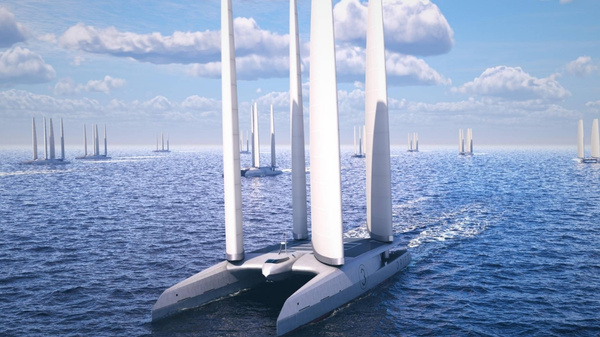
RINA awards first approval in principle for energy-harvesting ship
Drift Energy receives certification for vessel design that generates clean energy at sea. |
|
|
|
||
|
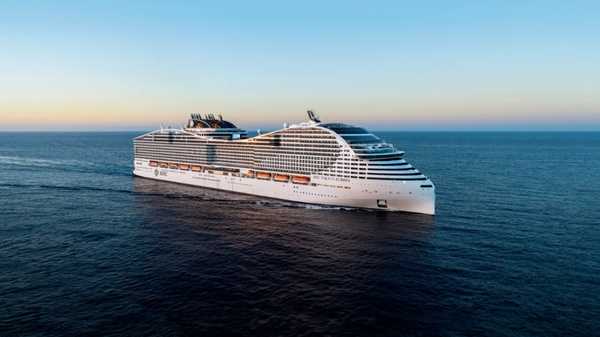
MSC Cruises achieves flag state recognition for verified methane emissions data
Bureau Veritas certifies actual methane slip values for two LNG-fuelled cruise ships. |
|
|
|
||
| World's first methanol-fuelled boxship completes maiden trip [News & Insights] |
| VPS performs first methanol bunker quantity survey [News & Insights] |
| Van Oord deploys bio-LNG dredger for Dutch coastal project [News & Insights] |
| BIMCO delays biofuel clause for time charters to spring 2026 [News & Insights] |
| Rotterdam bunker industry faces upheaval as new regulations drive up costs and shift volumes [News & Insights] |
| Bureau Veritas approves dual-fuel tanker designs for Australian coastal operations [News & Insights] |
| Burando Energies appoints new board to drive energy transition growth [News & Insights] |
