Mon 29 Oct 2018, 12:42 GMT

MEPC 73 guidance approvals and further work


Work still to be done on fuel oil best-practice guidance for member states and SIP.


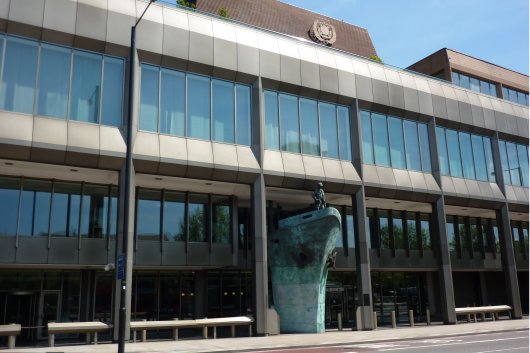
The International Maritime Organization's (IMO) headquarters in London.
Image credit: Flickr
Work on developing a best-practice guidance for member/coastal states to assure the quality of fuel oil delivered to ships is to be sent back to a correspondence group for further work, the International Bunker Industry Association (IBIA) notes.

According to the marine fuel body, it was deemed "premature" to complete the draft at the 73rd Marine Environment Protection Committee (MEPC). The objective will therefore be to submit a draft for finalisation and approval at the next MEPC meeting in May 2019.

Supplier guidance approved

As previously reported, MEPC 73 did approve the 'Best practice guidance for suppliers for assuring the quality of bunkers delivered to ships'. The first edition was developed by the International Bunker Industry Association (IBIA) earlier this year and submitted to MEPC 72 in April.

The final version made a few small amendments to the draft submitted in MEPC 74/5/4 (which in turn had proposed changes to the draft guidance provided by IBIA to MEPC 72), with co-sponsors representing the shipping and fuel oil supply industries cooperating on a number of improvements said to be "primarily editorial".

The best-practice guide for fuel oil suppliers addresses procedures to safeguard and maintain bunker fuel quality control throughout the entire supply chain - from the production of bunkers all the way through to the delivery to ships.

The supplier guide was developed to complement the 'Best practice guidance for fuel oil purchasers/users for assuring the quality of fuel oil used on board ships' - a guide for bunker buyers that was approved at MEPC 72 and is designed to help improve standards and lower the risk of fuel delivered not meeting the buyer's quality specifications.

Ship implementation plan (SIP) - further work

MEPC 73 also approved the draft guidance on the development of a non-mandatory ship implementation plan (SIP), which had been developed during July's intersessional working group (ISWG) meeting - held under the auspices of the Sub-Committee on Pollution Prevention and Response (PPR) - to help ship owners and operators devise a 0.5 percent sulphur cap plan and demonstrate the steps taken to prepare for compliance.

The document features an appendix covering the impact on machinery systems, including advice on how to prepare for the use of distillates and/or fuel oil blends, and changes that may be needed ahead of 2020.

A set of guidelines of a more operational nature - to help operators manage both distillate fuels and fuel oil blends containing residual fuel - is expected to be addressed at PPR in February next year for approval at MEPC 74, in May 2019.

A second SIP appendix addresses tank cleaning; it is based on a document submitted by IBIA which examines the options available for cleaning fuel oil tanks and systems.


Truck-to-ship (TTS) LNG bunkering at Port of Palermo. Molgas completes first LNG bunkering operation at Palermo  

Spanish energy firm carries out maiden LNG delivery at Sicilian port.

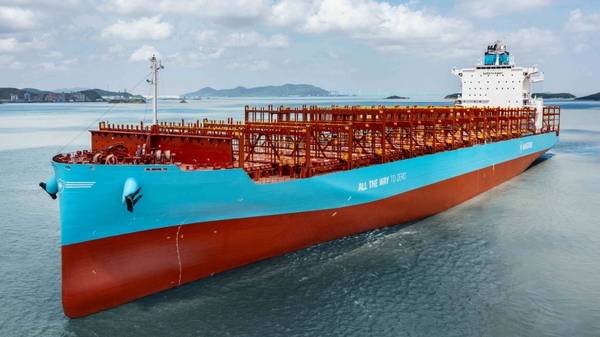
Maersk 5,900-teu vessel. Tsuneishi China delivers third methanol dual-fuel boxship in series  

Zhoushan shipbuilder hands over another 5,900-teu Maersk container vessel.

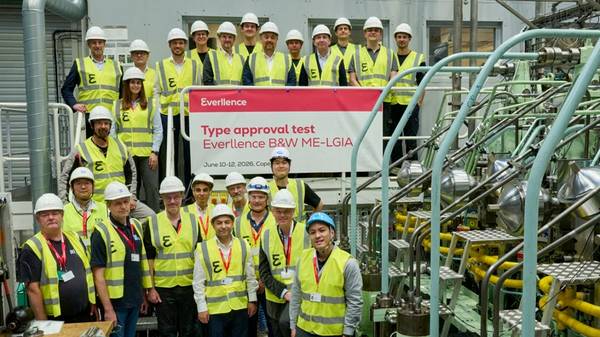
Type approval test (TAT) for ME-LGIA ammonia engine. Everllence completes type approval test for ammonia engine ahead of sea trials  

Eight classification societies oversee testing of ME-LGIA ammonia engine at Copenhagen research centre.

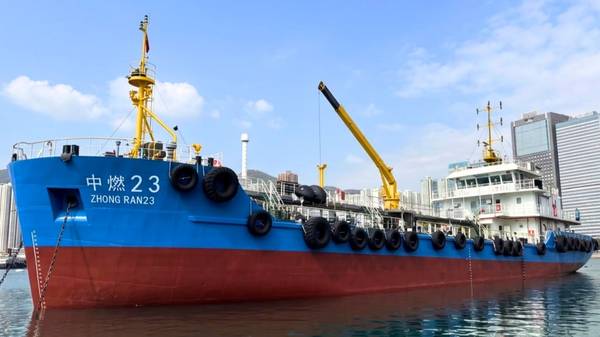
Zhong Ran 23 vessel. CPN bunker barge becomes first vessel listed under Hong Kong’s new quality bunkering scheme  

Zhong Ran 23 achieves listing under the Marine Department’s voluntary mass flow metering initiative.

Peder Moller, Bunker Holding. Bunker Holding posts $73m pre-tax profit amid geopolitical headwinds and board overhaul  

Marine fuels exceeds its own expectations despite 4% revenue decline.

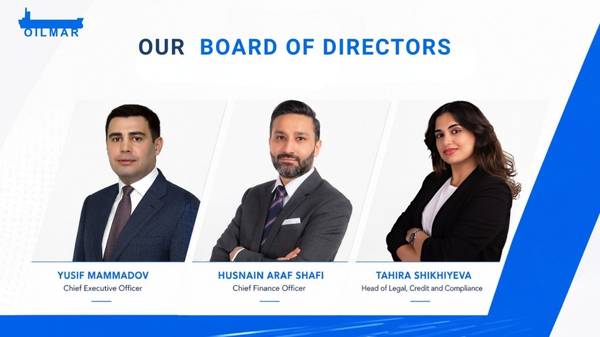
Oilmar Board of Directors graphic. Oilmar formalises governance structure with establishment of board of directors  

Dubai-based marine fuels trader Oilmar appoints three-member board.

Henrik Andersen, Vestas Wind Systems A/S. Vestas Wind Systems CEO appointed vice chair of Bunker Holding  

Henrik Andersen joins the board of the marine fuels group with more than two decades of international business experience.

Tina Revsbech, Maersk Tankers. Maersk Tankers CEO Tina Revsbech joins Bunker Holding board  

Danish USTC Group appoints shipping veteran to subsidiary’s board of directors.

Yampu vessel. CSL delivers world’s first battery-powered self-unloading bulk carrier  

MV Yampu will transport limestone for Adbri in Australia, with full electric operation targeted by 2031.

Illustration of hydrogen fuel cell system. NYK, Yanmar and Eneos to install hydrogen fuel cell system on new Tokyo dining cruise vessel  

Three Japanese companies are collaborating to bring hydrogen propulsion to a dining cruise ship due to enter service in 2027.