
 |
The Maritime Technologies Forum (MTF) has released comprehensive guidelines for the safe inspection of methanol dual-fuel ships, addressing safety challenges posed by the alternative fuel's unique properties.
The report, led by the Maritime and Port Authority of Singapore (MPA) with participation from various MTF members, identifies 41 safety recommendations across all inspection phases as the maritime industry transitions to alternative fuels under IMO emission regulations.
According to the guidelines, methanol's flammability, toxicity, and corrosivity present distinct challenges for ship inspectors compared to conventional fuels. The recommendations cover three key phases: pre-inspection preparations, during-inspection protocols, and post-inspection considerations.
Pre-inspection requirements include competency standards, specialized training, ship familiarization, emergency preparedness, and proper personal protective equipment (PPE) selection. During inspections, the guidelines recommend dynamic risk assessment, CMES system testing, hazardous area management, and methanol fuel system inspection procedures.
Post-inspection considerations encompass decontamination procedures, health monitoring—accounting for delayed symptom onset—and PPE maintenance and disposal.
The guidelines are designed to complement rather than replace existing inspection requirements, addressing specific risks associated with methanol as a marine fuel while safeguarding inspectors' health and ensuring effective inspections.
Capt. M Segar, Chief Marine Officer at MPA, said: "As a major flag Administration and port State, Singapore welcomes the publication of the report, which addresses the health and safety risks associated with the inspection process of methanol-fueled ships. The guidelines may also be applicable to other professionals who visit or board these vessels, such as for cargo handling, maintenance and repairs, deliveries, and pilotage."
Knut Ørbeck-Nilssen, CEO Maritime at DNV, added: "This report is a testament to the collaborative efforts of MTF members and industry stakeholders. By offering 41 concrete recommendations across all phases of inspection, the guidelines provide a practical framework to manage methanol-related risks effectively."
The MTF comprises flag state administrations from Japan, Norway, the UK, and Singapore, alongside classification societies ABS, DNV, Lloyd's Register, and ClassNK. The forum provides technical and regulatory expertise to the maritime industry, focusing on alternative fuels and automation technologies.
The guidelines aim to support organizations in establishing new safety protocols or strengthening existing standard operating procedures as methanol orders increase across the shipping sector.
|
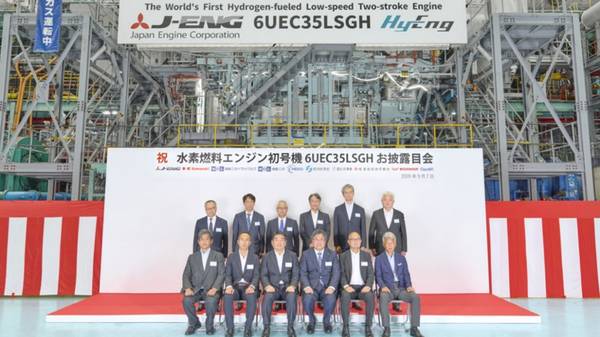
Japan Engine completes land-based testing of landmark hydrogen-fuelled engine for large vessels
Hydrogen co-firing rate of at least 95% achieved during factory testing. |
|
|
|
||
|
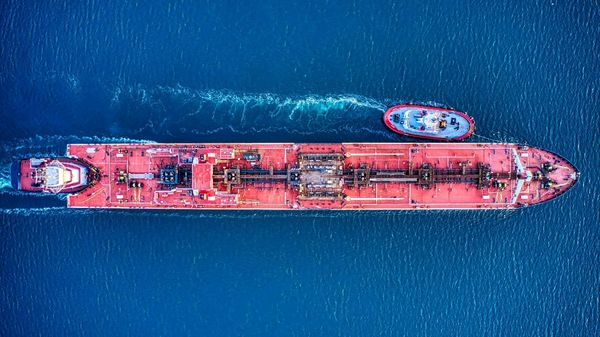
Ethanol edges into shipping’s fuel mix as methanol crossover eases adoption barriers
Rising interest from cargo owners, shared technology with methanol and Brazilian production growth push ethanol beyond regional niche status. |
|
|
|
||
|
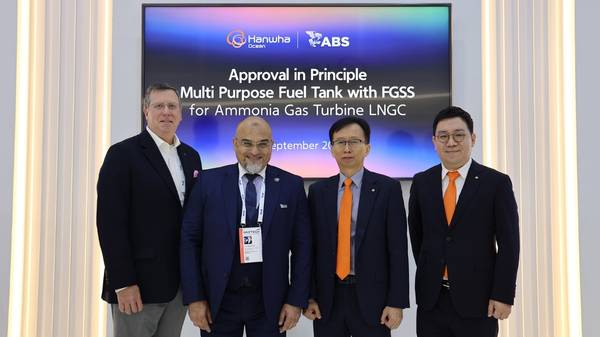
ABS grants Hanwha Ocean approval for dual-fuel tank enabling LNG-to-ammonia switch
In-principle approval awarded for fuel tank and supply system enabling LNG carriers to convert to ammonia without replacement. |
|
|
|
||
|
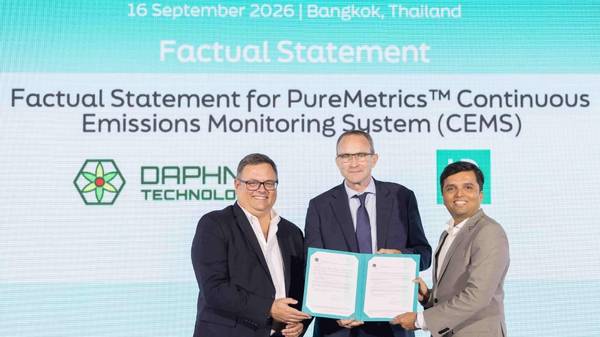
Lloyd's Register confirms suitability of Daphne Technology's emissions monitoring system
Factual Statement validates the PureMetrics design for monitoring greenhouse gas emissions from marine engines. |
|
|
|
||

|
IMO issues shipboard biofuel blend checklist developed by IBIA
Checklist for FAME-based biofuels formally incorporated into IMO document, supporting crews handling biofuel blends for the first time. |
|
|
|
||
|
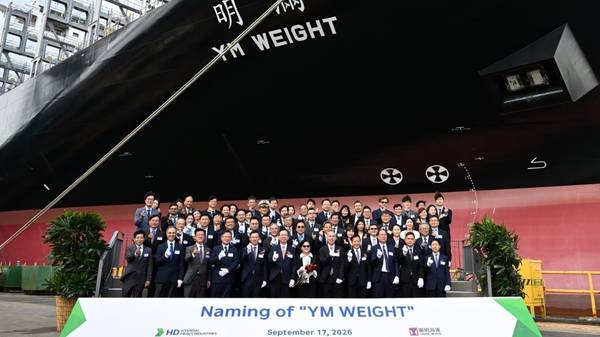
Yang Ming names fourth LNG dual-fuel container vessel YM Weight
Newbuild features high-pressure dual-fuel main engines capable of running on either LNG or low-sulphur fuel oil. |
|
|
|
||
|
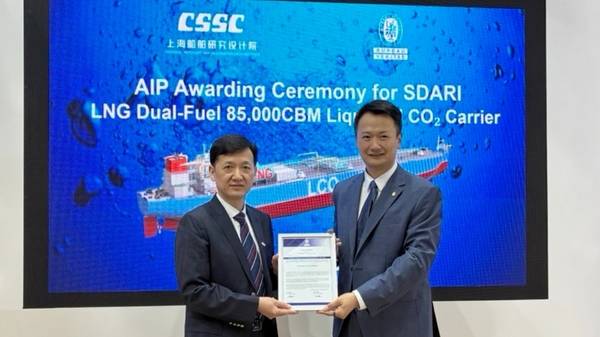
Bureau Veritas grants AiP to SDARI’s LNG dual-fuel liquefied CO₂ carrier design
Classification society approves 85,000-cbm vessel concept designed to support the growing carbon capture and storage sector. |
|
|
|
||

|
JuWonOil looking to strengthen with two Houston hires
Texas-based firm is recruiting a marine lubricants sales executive and a marine fuels and distillates trader. |
|
|
|
||
|
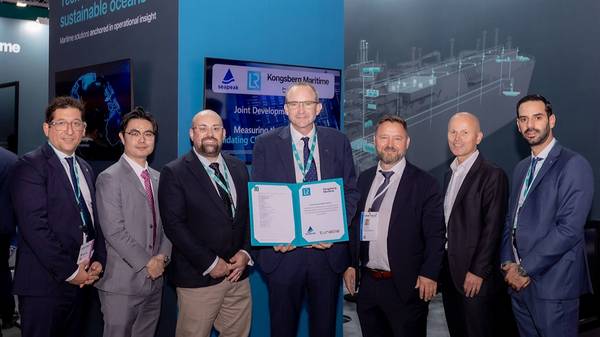
Four firms partner to trial continuous emissions monitoring on LNG carrier
LR, Seapeak, Kongsberg Maritime and Tunable will test onboard CO₂ monitoring against engine data and default emissions factors. |
|
|
|
||
|
Bunker Holding reshuffles commercial leadership across brand portfolio
Appointments announced across KPI OceanConnect, Glander International Bunkering and its digital sales operations. |
|
|
|
||
| NYK completes first low-carbon methanol bunkering operation in South Korea [News & Insights] |
| SHI develops VR training solutions for Evergreen's methanol-fuelled ships [News & Insights] |
| Methanol as a marine fuel | Steve Bee, VPS [News & Insights] |
| WinGD claims methanol and ammonia engines ready for commercial deployment as regulatory clarity awaited [News & Insights] |
| Ethanol edges into shipping’s fuel mix as methanol crossover eases adoption barriers [News & Insights] |
| Lloyd's Register confirms suitability of Daphne Technology's emissions monitoring system [News & Insights] |
| IMO issues shipboard biofuel blend checklist developed by IBIA [News & Insights] |
| Four firms partner to trial continuous emissions monitoring on LNG carrier [News & Insights] |
| Lloyd's Register grants design appraisal for wind-powered LNG carrier concept [News & Insights] |
