The
Methanol Institute has welcomed the findings of the
MethaShip research project, which has concluded that renewable methanol offers a long-term solution for the shipping industry's ambitious carbon emission reduction strategy.
The MethaShip partners found that methanol can offer a dramatic improvement in emissions reduction across multiple ship types once the International Maritime Organization (IMO) has established the statutory framework conditions necessary for an industry-wide reduction of CO2 emissions.
"The whole shipping sector is facing major challenges with ever stricter emission regulations for ships, paired with a growing environmental awareness among ship owners and passengers alike," said MethaShip Project Leader
Daniel Sahnen of Meyer Werft.
"Some technical and financial details still need to be clarified but in the medium term a breakthrough could be possible with methanol as a fuel for a holistic reduction of CO2 emissions."
The research project brought together partners from shipbuilding, classification, engine manufacturing and methanol production to investigate the potential of methanol as a fuel for
cruise ships and
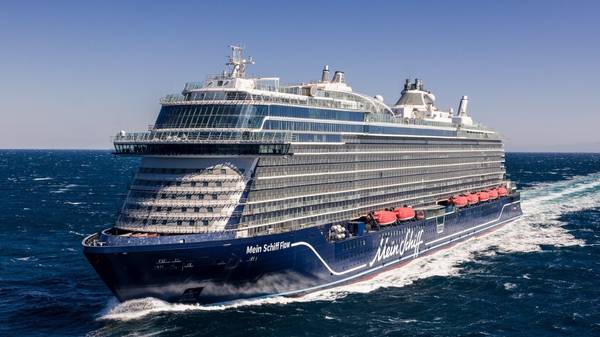
ro-ro passenger ferries. It included development of a potential cruise ship design featuring
seven integrated storage tanks made of coated conventional mild steel.
"Methanol is a clear, water-soluble, biodegradable fluid and in contrast to other alternative fuels such as LNG, it offers the crucial advantage of being very easy to handle," noted Methanol Institute Chief Representative Europe,
Eelco Dekker.
"In addition to its potential for long-term emissions reduction, the
easier storage and transport properties are a strong driver behind the growing interest in using methanol as a fuel for shipping."
MethaShip's key conclusions include:
- The properties of methanol surpass other alternative fuels in shipping;
- The major benefit is the storage at ambient temperature and ambient pressure without loss;
- In terms of ship design, methanol is space-saving, simple and practical with the established advantages of a liquid fuel;
- Methanol offers compelling environmental properties and has the most promising lifecycle analysis when produced from renewable sources;
- An already widespread infrastructure and availability could be a key enabler for methanol.
The MethaShip research project consortium consists of: Flensburger Schiffbau-Gesellschaft, Lloyd's Register, Meyer Werft, and associate partners Caterpillar, Helm AG and MAN Diesel & Turbo. It was funded by the German Federal Ministry for Economic Affairs and Energy.