|
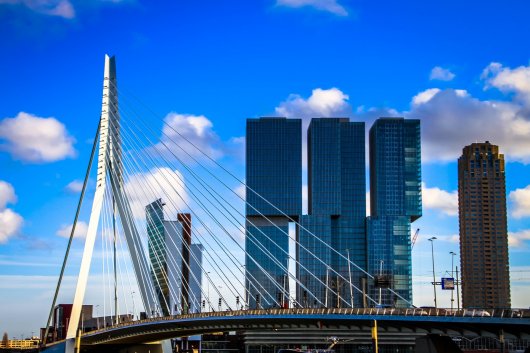
ABS introduces nuclear-ready notation for marine and offshore assets
The classification society has released what it describes as an industry-first notation to support future nuclear conversion of vessels and offshore assets. |
|
|
|
||
|
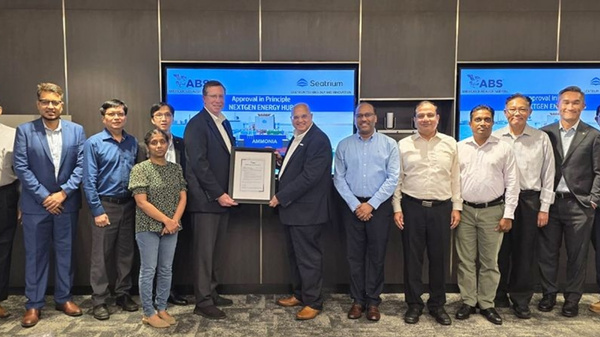
ABS grants approval in principle for Seatrium’s NEXTGEN Energy Hub design
The hub concept integrates ammonia bunkering, power generation and electric vessel charging in a single unit. |
|
|
|
||
|
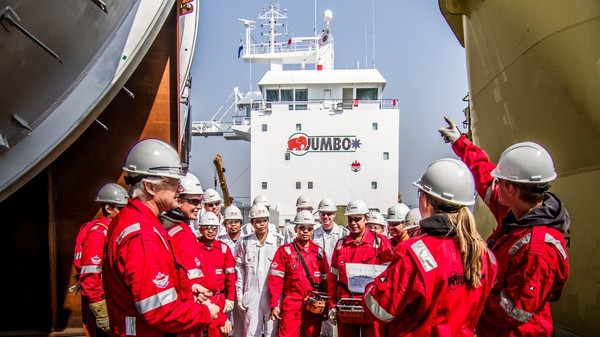
Jumbo orders two methanol-ready L-Class heavy lift vessels from Dajin Heavy Industry
Dutch heavy lift specialist Jumbo signs newbuilding contract for two 25,000-dwt vessels. |
|
|
|
||
|
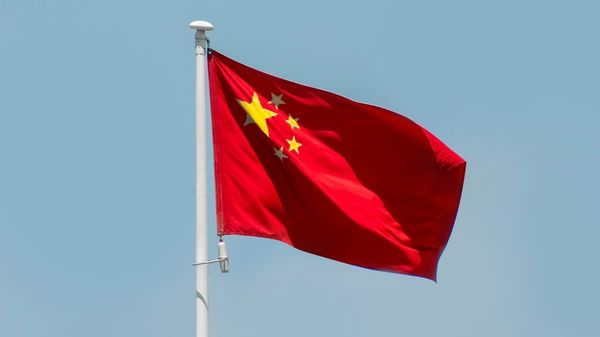
Zhoushan completes first bonded bunker operation at Majishan port area
The operation marks full fuel supply coverage across all general cargo terminals in Zhoushan's port system. |
|
|
|
||

|
Port of Long Beach launches $1m methanol bunkering challenge for oceangoing vessels
A $1m prize aims to kick-start commercial methanol bunkering at one of North America's busiest ports. |
|
|
|
||
|
Greece floating nuclear study finds no fundamental barriers to implementation
A PESTLE assessment of floating nuclear power plants in Greece identifies framework gaps, not feasibility barriers. |
|
|
|
||
|
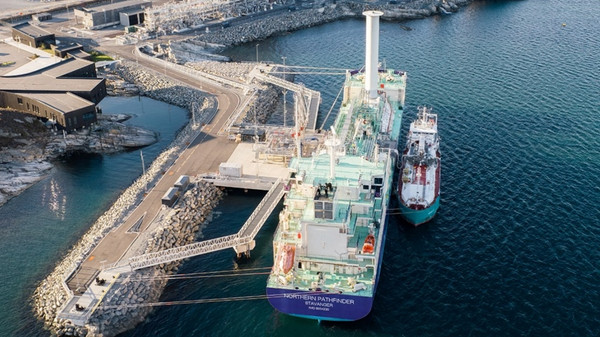
Molgas completes LNG cool-down and bunkering for Northern Pathliner at Northern Lights terminal in Norway
Operation carried out at Øygarden facility, with K Line and Integr8 Fuels in the supply chain. |
|
|
|
||
|
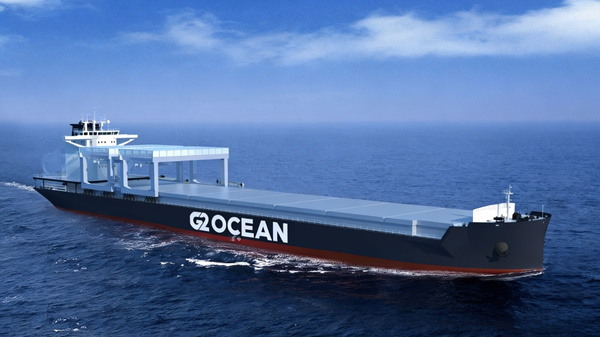
G2 Ocean expands fleet with six future-fuel ready gantry crane vessels
Open hatch specialist adds vessels and jet sail technology as part of a broad fleet renewal programme. |
|
|
|
||
|
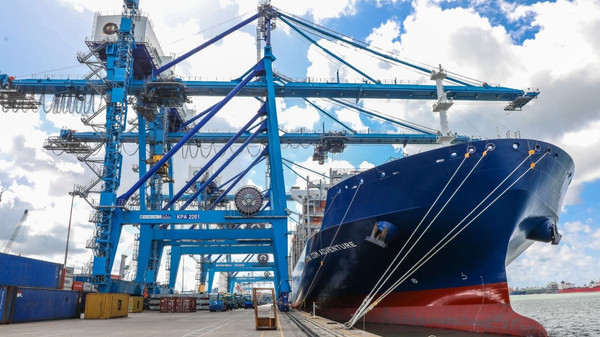
LNG-powered CMA CGM Adventure makes first call at the Port of Mombasa
Kenya Ports Authority receives its first large LNG-fuelled container vessel. |
|
|
|
||

|
Maritime trio shapes IMO safety guidelines for ammonia as marine fuel
Real-world operational experience feeds directly into new IMO ammonia fuel safety framework. |
|
|
|
||
| Rotterdam to usher in EUR5m incentive for ships using low- and zero-carbon fuels [News & Insights] |
| New project aims to build industrial-scale power-to-gas installation [News & Insights] |
| Rotterdam launches incentive scheme for bunker-saving inland shipping projects [News & Insights] |
| Project targets emissionless 'green corridor' with first electric inland boxship [News & Insights] |
| Port of Rotterdam to study clean fuel bunkering facility at Krabbegors [News & Insights] |
| Anew Climate and Avenir complete first joint bio-LNG bunkering in Europe [News & Insights] |
| New Times Shipbuilding launches LNG dual-fuel VLCC in China [News & Insights] |
| Le Havre conducts first STS LNG bunkering operation at RoRo terminal [News & Insights] |
| Sea-LNG welcomes EU transport plan's recognition of methane decarbonisation pathway [News & Insights] |
| Anglo-Eastern completes 200,000 cbm of LNG bunkering operations [News & Insights] |