
|
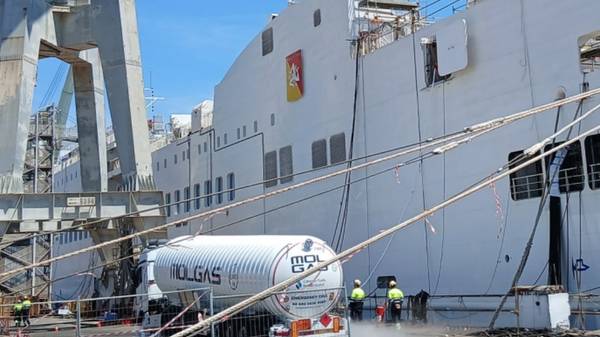
Molgas completes first LNG bunkering operation at Palermo
Spanish energy firm carries out maiden LNG delivery at Sicilian port. |
|
|
|
||
|
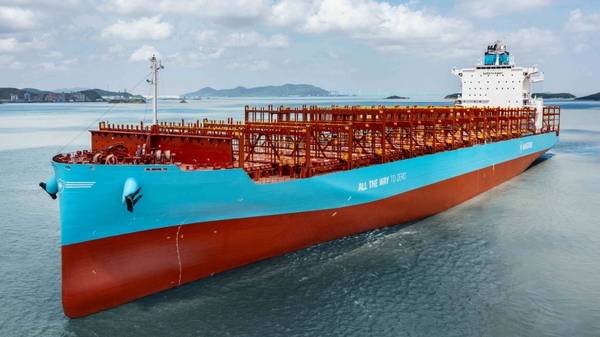
Tsuneishi China delivers third methanol dual-fuel boxship in series
Zhoushan shipbuilder hands over another 5,900-teu Maersk container vessel. |
|
|
|
||
|
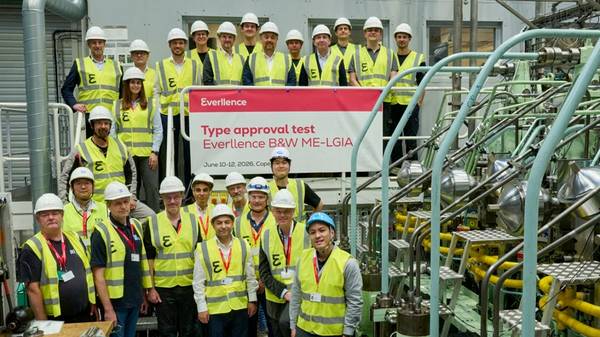
Everllence completes type approval test for ammonia engine ahead of sea trials
Eight classification societies oversee testing of ME-LGIA ammonia engine at Copenhagen research centre. |
|
|
|
||
|
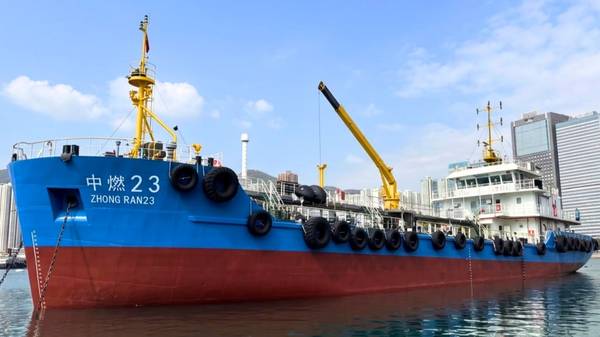
CPN bunker barge becomes first vessel listed under Hong Kong’s new quality bunkering scheme
Zhong Ran 23 achieves listing under the Marine Department’s voluntary mass flow metering initiative. |
|
|
|
||
|
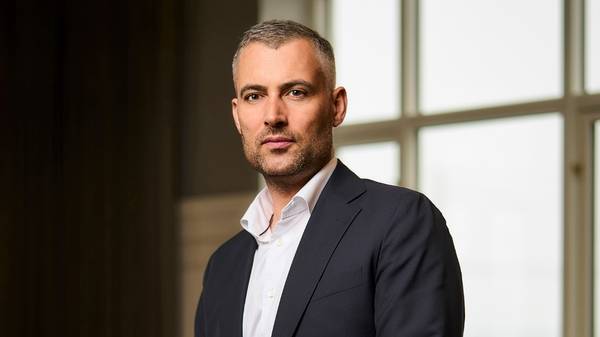
Bunker Holding posts $73m pre-tax profit amid geopolitical headwinds and board overhaul
Marine fuels exceeds its own expectations despite 4% revenue decline. |
|
|
|
||

|
Oilmar formalises governance structure with establishment of board of directors
Dubai-based marine fuels trader Oilmar appoints three-member board. |
|
|
|
||
|
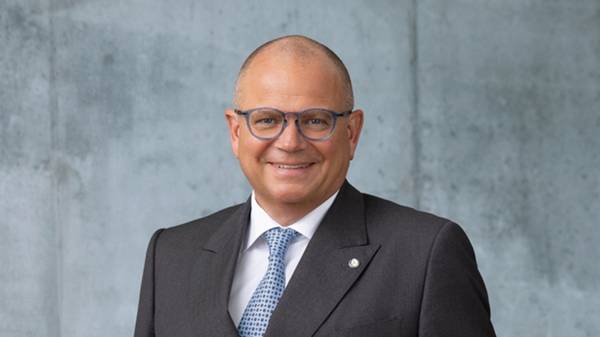
Vestas Wind Systems CEO appointed vice chair of Bunker Holding
Henrik Andersen joins the board of the marine fuels group with more than two decades of international business experience. |
|
|
|
||
|
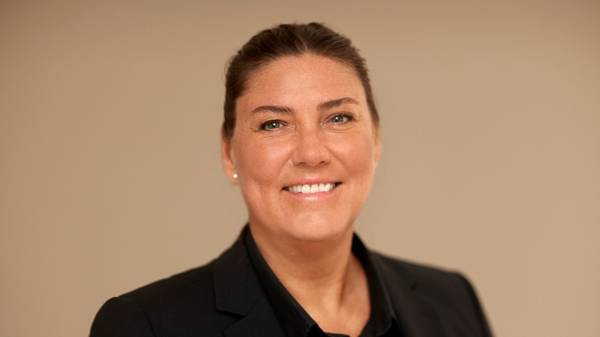
Maersk Tankers CEO Tina Revsbech joins Bunker Holding board
Danish USTC Group appoints shipping veteran to subsidiary’s board of directors. |
|
|
|
||
|
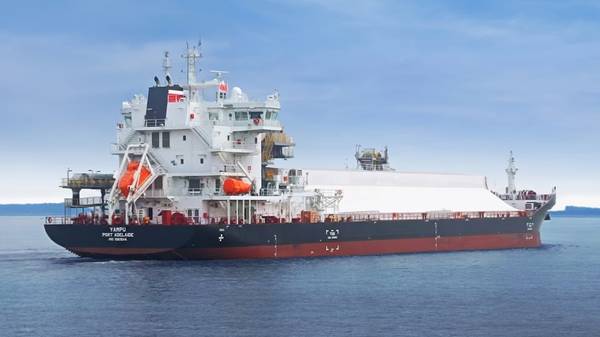
CSL delivers world’s first battery-powered self-unloading bulk carrier
MV Yampu will transport limestone for Adbri in Australia, with full electric operation targeted by 2031. |
|
|
|
||
|
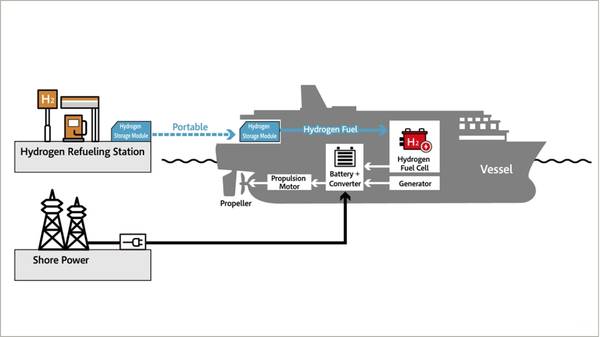
NYK, Yanmar and Eneos to install hydrogen fuel cell system on new Tokyo dining cruise vessel
Three Japanese companies are collaborating to bring hydrogen propulsion to a dining cruise ship due to enter service in 2027. |
|
|
|
||
| After closing earlier this week above $70, Brent is now around $68.8 [News & Insights] |
| Nordic Energy Partners expands to Singapore with new operations hire [News & Insights] |
| VPS campaign claims 12,000 tonnes of CO₂ savings across 300 vessels [News & Insights] |
| MoU signed to develop LNG bunkering facility at Vizhinjam [News & Insights] |
| BPCL and Cochin Port sign MoU for LNG bunkering facilities [News & Insights] |
| JERA Nex bp commissions hydrogen refuelling station at Port of Ostend [News & Insights] |

