
|
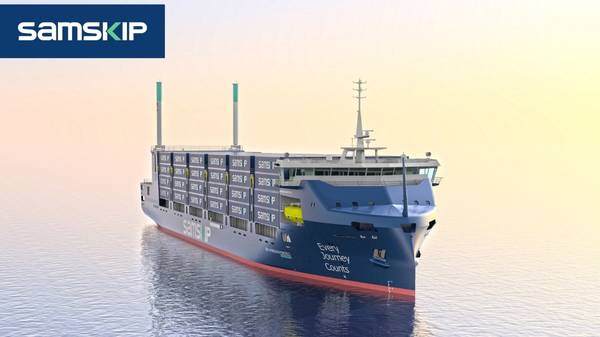
Samskip brings SeaShuttle project into European HyShip initiative to develop liquid hydrogen infrastructure
Two hydrogen-powered container vessels will operate between Rotterdam and Oslo from 2027. |
|
|
|
||
|
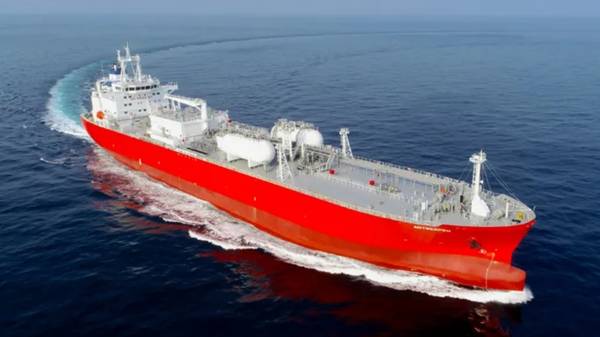
Korea Register and HD Hyundai team up to advance ammonia-fuel shipping in South Korea
Two organisations are cooperating on eco-friendliness verification for ammonia dual-fuel vessels. |
|
|
|
||

|
Green ammonia could become the first commercially viable zero-emission marine fuel, WinGD study suggests
Joint report by WinGD and Envision Energy sets out the economic case for green ammonia. |
|
|
|
||
|
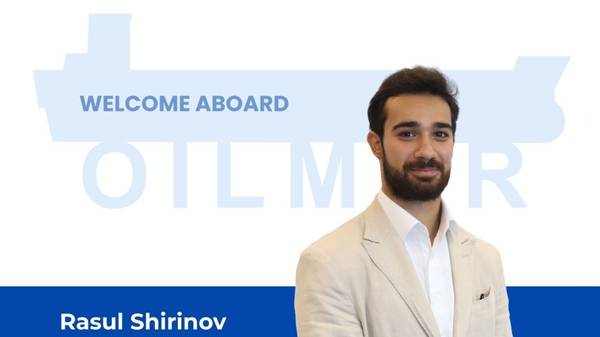
Oilmar appoints junior marine fuels trader at Dubai trading desk
UAE-headquartered bunker firm hires Rasul Shirinov, with a background in the agricultural sector. |
|
|
|
||
|
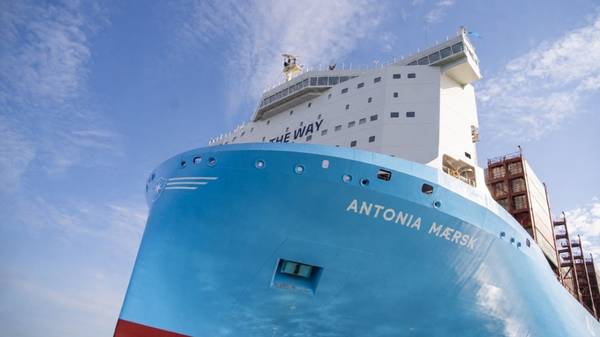
Maersk bunkers large dual-fuel vessel with 100% ethanol in Barcelona
Ocean carrier scales up ethanol bunkering in bid to broaden its low-emission fuel strategy. |
|
|
|
||
|
Amsterdam-based Olyx seeks renewable marine fuels broker
Dutch energy brokerage interested in candidates with two to six years of experience in similar roles. |
|
|
|
||
|
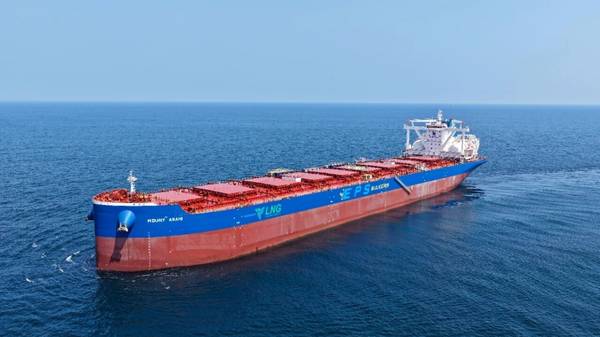
CSSC delivers LNG dual-fuel bulker to Eastern Pacific nearly four months early
210,000-tonne Mount Asahi handed over ahead of contract schedule. |
|
|
|
||
|
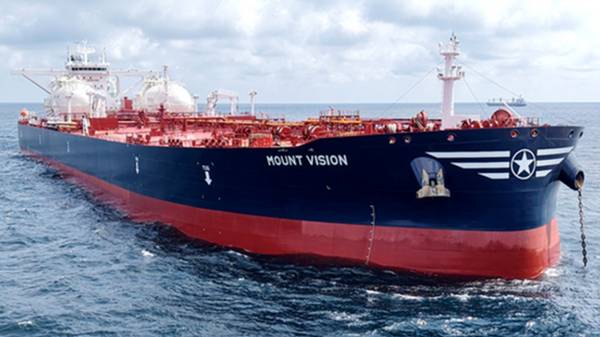
New Times Shipbuilding delivers three LNG dual-fuel tankers in four days
Chinese yard hands over one VLCC and two Aframax-size crude tankers within a single week. |
|
|
|
||
|
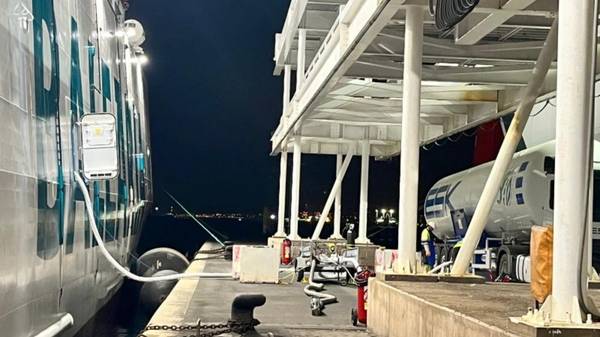
Baleària ferry completes LNG bunkering at regular berth in Las Palmas for first time
LNG refuelling of Mercedes Pinto set to take place weekly without changing berth. |
|
|
|
||
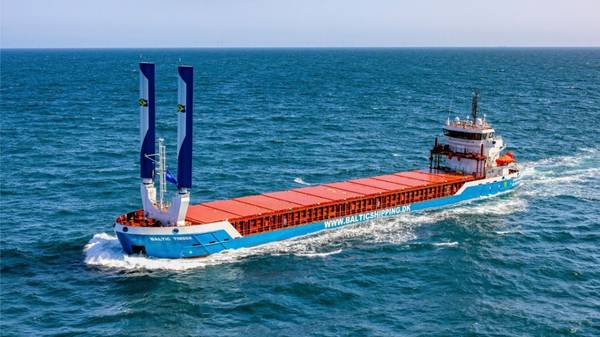
|
Baltic Shipping Company takes delivery of wind-assisted hybrid coaster
3,550-dwt vessel is fitted with Econowind VentoFoils and a battery package. |
|
|
|
||
| First LNG bunker delivery completed in Fremantle [News & Insights] |
| Western Australia 'well placed' to support LNG-fuelled bulk trade [News & Insights] |
| Australia's first LNG-fuelled ro-ro ferry bunkered in Denmark [News & Insights] |
| Australia's first LNG-fuelled support vessel bunkered in Amsterdam [News & Insights] |
| Wärtsilä signs 15-year lifecycle agreement for three CLSICO LNG carriers [News & Insights] |
| Baleària to trial methanol-to-hydrogen system on electric ferry [News & Insights] |
| Eastern Pacific Shipping completes 550th ship-to-ship LNG bunkering operation [News & Insights] |
| Algeciras reports record LNG bunkering volumes, claims European top-three position [News & Insights] |
| Wah Kwong marks steel-cutting for third dual-fuel LNG carrier at Dalian Shipyard [News & Insights] |

