Fri 19 Dec 2014, 17:02 GMT

Construction of second LNG-conversion-ready tanker under way


Vessel is second of five LNG-converstion-ready product carriers to be built for American Petroleum Tankers.


General Dynamics NASSCO signalled the start of construction of a second 'eco' tanker to be built for American Petroleum Tankers at a steel cutting ceremony at NASSCO's San Diego-based shipyard.

U.S. congressman Scott Peters signalled the beginning of construction by pressing a button to cut the first piece of steel. NASSCO began construction on the first tanker in September 2014.

The latest vessel forms part of a five-tanker contract with American Petroleum Tankers to design, build and operate innovative, energy-efficient and fuel-saving ships.

Each of the five 50,000 deadweight tonne (dwt) product carriers are to be built as LNG-conversion-ready vessels with a 330,000-barrel cargo capacity.

"NASSCO is providing our customers with some of the most energy-efficient, fuel-saving, and cost-effective tankers in the world," said Kevin Graney, vice president and general manager of General Dynamics NASSCO. "The construction of the first tanker for American Petroleum Tankers is well underway at NASSCO and we are pleased to begin construction on a second tanker for the company today."

"This second tanker marks another milestone in our fleet expansion adding five state-of-the-art vessels constructed and delivered by NASSCO," said Rob Kurz, vice president of Kinder Morgan Terminals and president of American Petroleum Tankers, a Kinder Morgan, Inc. subsidiary. "The expansion is a result of the commitment of our customers through their long-term charter support. We look forward to delivery of the vessels in mid-2017."

The new construction and operation of the new vessels are aligned with the Jones Act, requiring ships carrying cargo between U.S. ports to be built, crewed and owned by the U.S.

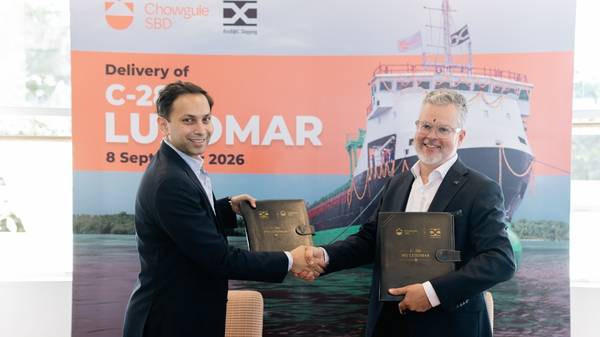
Luxomar delivery ceremony. ESL Shipping completes Green Coaster fleet with delivery of twelfth vessel Luxomar  

Baltic dry bulk carrier has finalised a twelve-vessel plug-in hybrid coaster programme built in India.

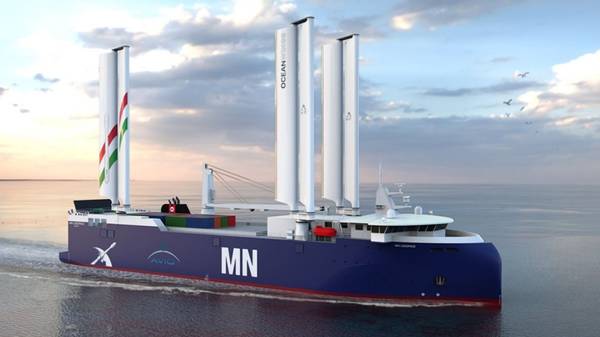
Hybrid ro-ro vessel render. Compagnie Maritime Nantaise orders hybrid ro-ro vessel for European space cargo runs  

French shipping company commissions wind-assisted vessel with biofuel capability to serve growing European space industry.

HMM and Vale logos. HMM signs KRW 4.7 trillion long-term iron ore contract with Vale  

Latest contract backed by tri-fuel Newcastlemax newbuilds capable of operating on methanol, ethanol and conventional marine fuel.

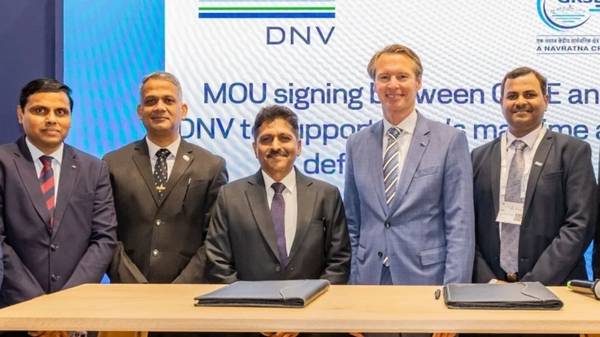
DNV and GRSE MoU signing. DNV and India’s GRSE sign MoU on green propulsion and advanced shipbuilding  

The agreement covers alternative fuels, digital technologies and defence vessel development.

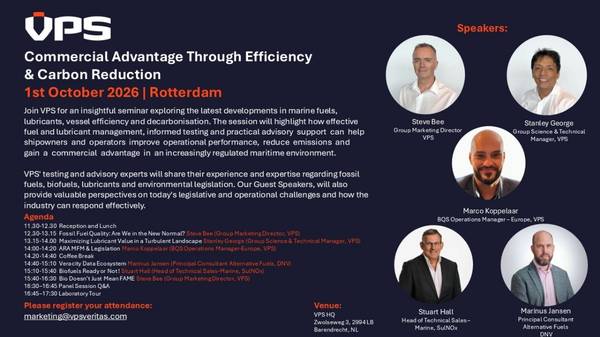
VPS Carbon Reduction seminar in Rotterdam graphic. VPS to host Dutch seminar on marine fuel quality, lubricants and decarbonisation  

Free-to-attend event will bring together speakers from VPS, DNV and SulNOx.

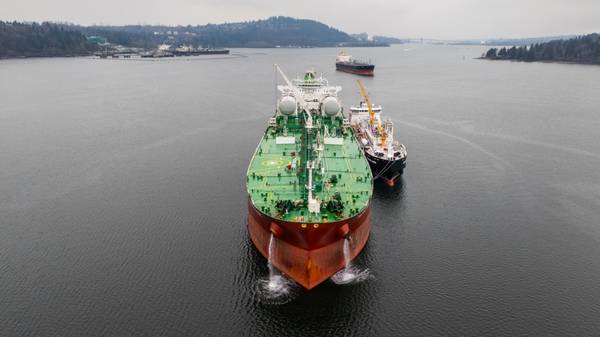
Seaspan Lions ship-to-ship (STS) LNG bunkering operation. LNG bunker fleet may need to more than double by 2030, DNV warns  

Classification society says bunkering infrastructure investment must accelerate to match LNG shipping growth.

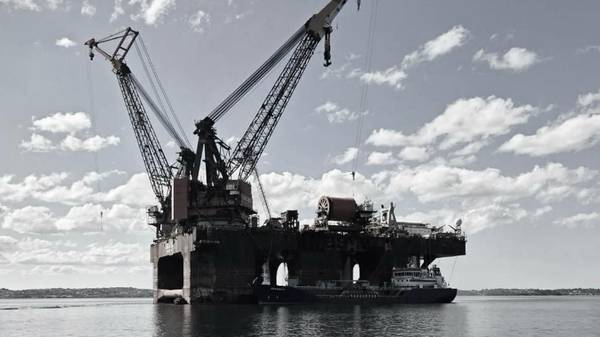
Bunkering operation in Amoyfjorden. Burando Energies completes first physical bunker operation in Norway  

Marine fuel supplier delivers to Heerema's semi-submersible crane vessel Balder in Åmøyfjorden.

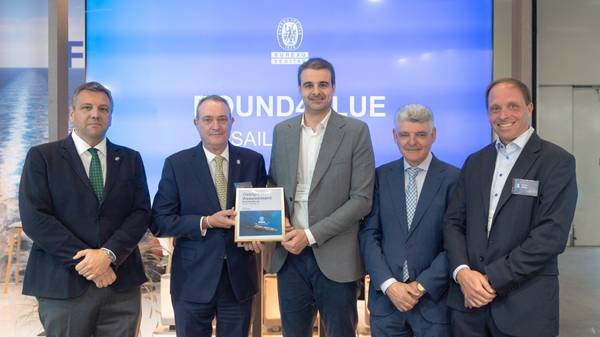
Bound4blue received Bureau Veritas (BV) Design Assessment. Bound4blue wins Bureau Veritas design assessment for Model 3-24 eSAIL at SMM 2026  

Independent design assessment adds credibility as bound4blue’s suction sail fleet reaches 13 vessels.

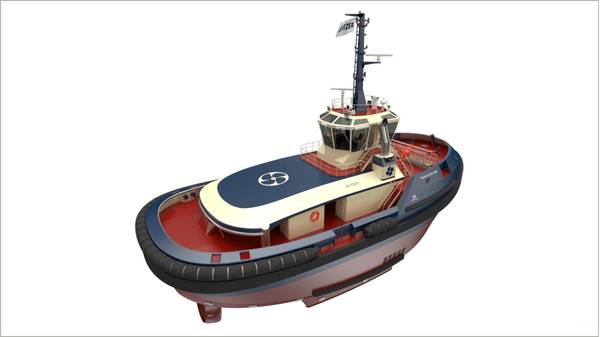
TRAnsverse 2900 tug render. Svitzer orders six TRAnsverse 2900 biofuel-ready tugs from Cheoy Lee  

Towage provider expands next-generation TRAnsverse fleet with fresh Hong Kong order.

UK alternative maritime fuels coalition logos. UK shipping bodies launch alternative fuels coalition to drive net zero transition  

New cross-industry body aims to align fuels, infrastructure and policy for shipping decarbonisation.