
|
Flex Commodities seeks operator for bunker trading operations
Candidates should have three to five years of relevant bunker or commodity trading operations experience |
|
|
|
||
|
Glander International Bunkering seeks bunker trader for Valencia office
Role open to sales professionals regardless of prior oil industry experience. |
|
|
|
||
|
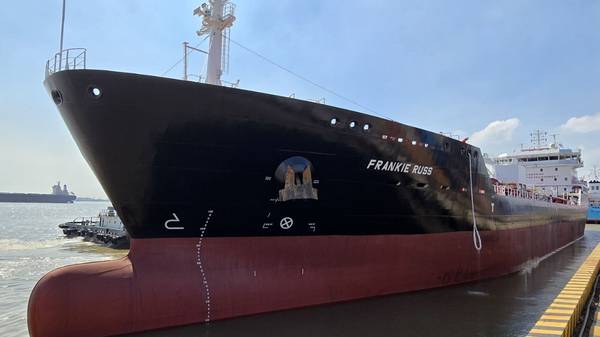
TB Marine takes over technical management of methanol-ready tanker
Newbuild MT Frankie Russ is first tanker in Ernst Russ's fleet. |
|
|
|
||
|
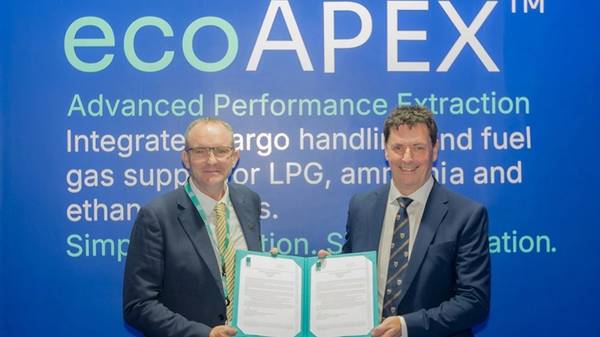
Lloyd’s Register grants approval in principle to Babcock LGE’s ecoAPEX cargo-handling technology
New integrated system for gas carriers targets lower emissions and reduced reliquefaction energy consumption, with LR approval confirming its potential. |
|
|
|
||
|
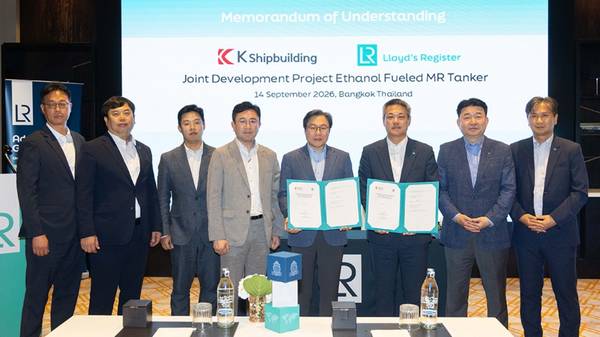
K Shipbuilding and Lloyd’s Register to jointly develop ethanol-fuelled tanker design
The pair will assess an ethanol-fuelled 50,000 dwt MR tanker, targeting Approval in Principle from LR. |
|
|
|
||
|
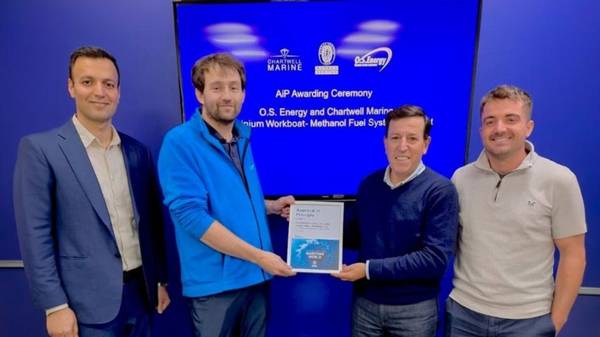
Bureau Veritas grants approval in principle for methanol-fuelled catamaran concept
Classification society backs O.S. Energy and Chartwell Marine’s fuel-system design for an aluminium vessel developed under a UK decarbonisation programme. |
|
|
|
||
|
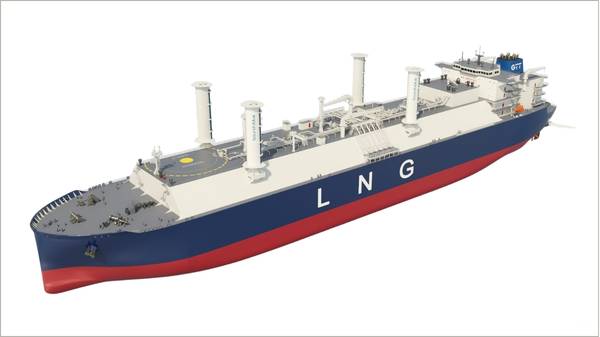
Wind propulsion offers 'no fundamental barriers' for LNG carriers, study finds
Bound4blue’s research with Cryosafe Services concludes that wind-assisted propulsion can be integrated into LNG carrier operations without major obstacles. |
|
|
|
||
|
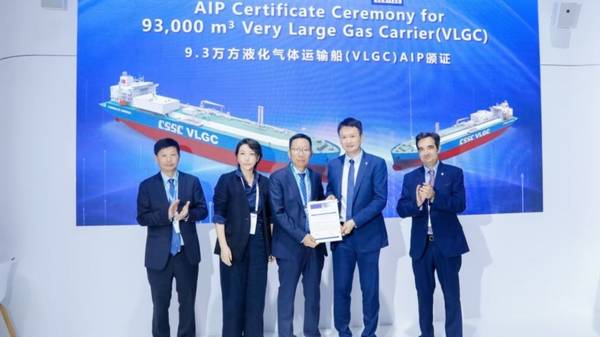
Bureau Veritas grants AiP to Hudong-Zhonghua for new LNG carrier and VLGC designs
Classification society approves two gas carrier designs featuring next-generation containment systems and dual-fuel propulsion capabilities. |
|
|
|
||
|
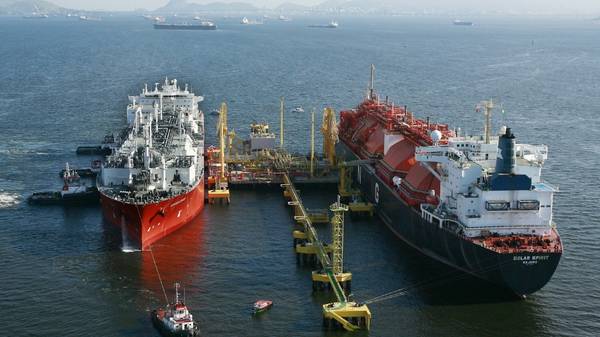
Petrobras signs 20-year LNG supply deal with Sempra Infrastructure
Brazilian state oil company will purchase 0.8 mtpa of LNG from a Texas liquefaction terminal for two decades. |
|
|
|
||
|
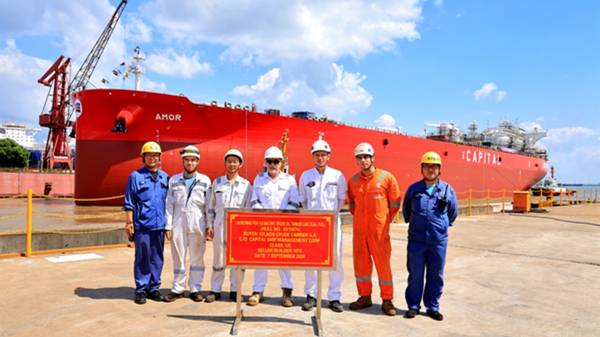
LNG dual-fuel crude oil tankers launched for Maran and Capital Ship
Two 155,500-DWT vessels launched by New Times Shipbuilding in China. |
|
|
|
||
| Maersk in agreement to develop emulsion fuel [News & Insights] |
| Maersk and Anemoi to fit rotor sail on container ship in industry first [News & Insights] |
| Maersk takes delivery of dual-fuel methanol-capable Tacoma Maersk in China [News & Insights] |
| Tsuneishi China delivers fourth methanol dual-fuel 5,900-TEU boxship [News & Insights] |
| Quadrise and Licella update joint development agreement to advance HTL-derived marine biofuels [News & Insights] |
| Maersk bunkers large dual-fuel vessel with 100% ethanol in Barcelona [News & Insights] |

