Tue 2 Feb 2010, 08:04 GMT

Impact warning: Concession fee on bunkering


Shippers warn of the potential economic impact of a new concession fee on bunkering.


Members of the Philippine Liner Shipping Association (PLSA) have requested that a concession fee on bunkering at the port of Manila [pictured] be removed because of its economic impact on local bunker suppliers, shipping lines and other port users.

In a letter to the Department of Transportation and Communications (DOTC), PLSA members requested a review of the privatization contract for the port of Manila. The group wants the port's incoming operator Manila North Harbour Port, Inc. (MNHPI) to be prevented from charging concession fees to companies that offer ship support services at the port.

The concession fee, which is said to be equivalent to 5 percent of service providers' revenues, would mainly cover bunker companies supplying marine fuel to ships at the harbour.

PLSA members pointed out that an additional 5 percent on bunker suppliers' service costs would have an immediate impact on ship operators' freight costs and passenger fares.

"We humbly request that this concession fee on bunkering and other services be deleted because of its economic impact on port users directly and the general public," the group said in its letter to the DOTC.

Bunker companies at the port of Manila currently only pay a registration fee of P2,000.

"The biggest cost factor of shipping is the fuel cost and most, if not all, our members refuel at the North Harbor in order to avail [themselves] of the lower cost of fuel in Manila," the group said.

"This provision will have an impact on shipping operation costs and subsequently, on freight and passenger fares," PLSA members added.

According to the Philippine Ports Authority (PPA) - the North Harbor's current operator - the MNHPI had agreed to suspend the concession fee. However it added that this would not stop the new port operator from reinstating the fee once it takes over.

PLSA members said they may be forced to boycott the port of Manila and move to other nearby terminals if the docking fees at the North Harbour become too expensive.


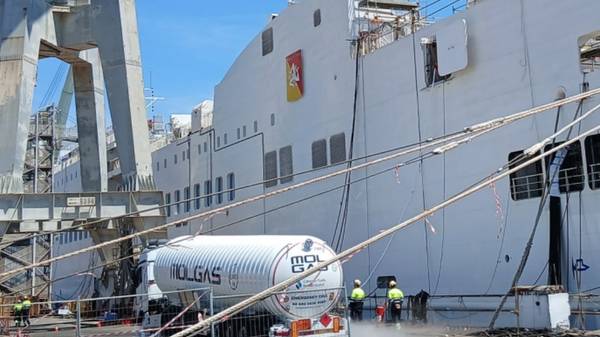
Truck-to-ship (TTS) LNG bunkering at Port of Palermo. Molgas completes first LNG bunkering operation at Palermo  

Spanish energy firm carries out maiden LNG delivery at Sicilian port.

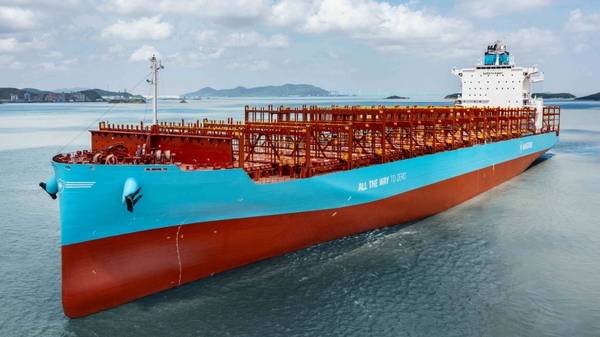
Maersk 5,900-teu vessel. Tsuneishi China delivers third methanol dual-fuel boxship in series  

Zhoushan shipbuilder hands over another 5,900-teu Maersk container vessel.

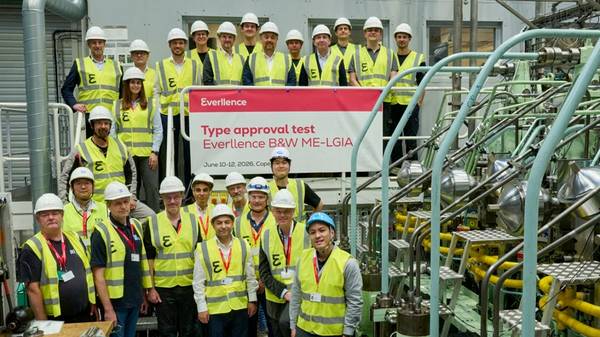
Type approval test (TAT) for ME-LGIA ammonia engine. Everllence completes type approval test for ammonia engine ahead of sea trials  

Eight classification societies oversee testing of ME-LGIA ammonia engine at Copenhagen research centre.

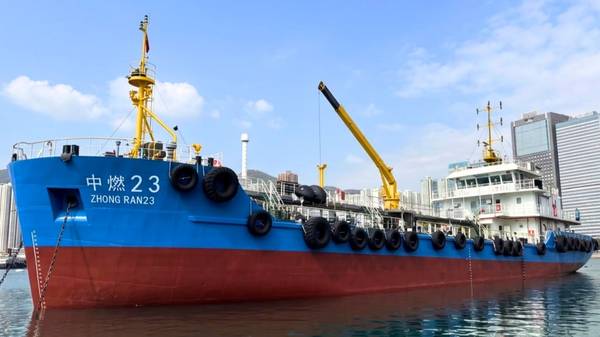
Zhong Ran 23 vessel. CPN bunker barge becomes first vessel listed under Hong Kong’s new quality bunkering scheme  

Zhong Ran 23 achieves listing under the Marine Department’s voluntary mass flow metering initiative.

Peder Moller, Bunker Holding. Bunker Holding posts $73m pre-tax profit amid geopolitical headwinds and board overhaul  

Marine fuels exceeds its own expectations despite 4% revenue decline.

Oilmar Board of Directors graphic. Oilmar formalises governance structure with establishment of board of directors  

Dubai-based marine fuels trader Oilmar appoints three-member board.

Henrik Andersen, Vestas Wind Systems A/S. Vestas Wind Systems CEO appointed vice chair of Bunker Holding  

Henrik Andersen joins the board of the marine fuels group with more than two decades of international business experience.

Tina Revsbech, Maersk Tankers. Maersk Tankers CEO Tina Revsbech joins Bunker Holding board  

Danish USTC Group appoints shipping veteran to subsidiary’s board of directors.

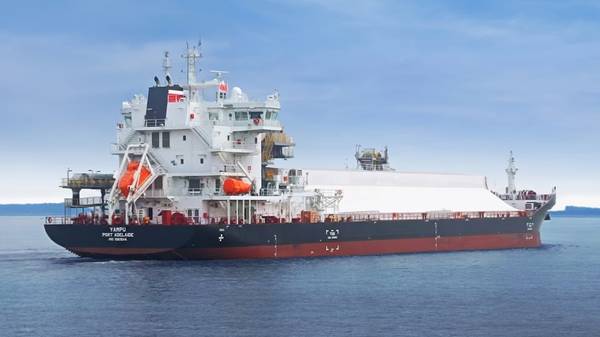
Yampu vessel. CSL delivers world’s first battery-powered self-unloading bulk carrier  

MV Yampu will transport limestone for Adbri in Australia, with full electric operation targeted by 2031.

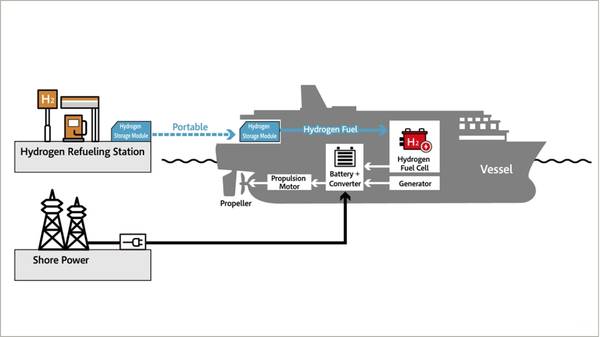
Illustration of hydrogen fuel cell system. NYK, Yanmar and Eneos to install hydrogen fuel cell system on new Tokyo dining cruise vessel  

Three Japanese companies are collaborating to bring hydrogen propulsion to a dining cruise ship due to enter service in 2027.