
| Reliance | D.P.P Tanker | 4,100dwt |
| Gallant | D.P.P Tanker | 4,600dwt |
| Ruby Star | D.P.P Tanker | 4,280dwt |
| Ruby Express | D.P.P Tanker | 4,280dwt |
| Team Bee | Oil/Chem Tanker | 4,998dwt |
| Arcturus | Asphalt Carrier | 4,999dwt |
| Intan Premier | Oil/Chem Tanker | 11,000dwt |
|
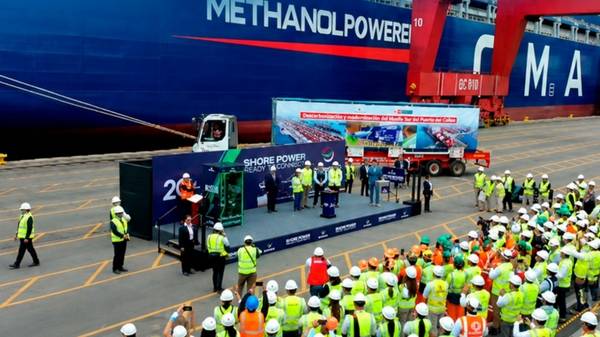
Peru’s Port of Callao launches first shore power system in Latin America
DP World Callao’s onshore power supply system could cut over 6,300 tonnes of CO₂ annually. |
|
|
|
||
|
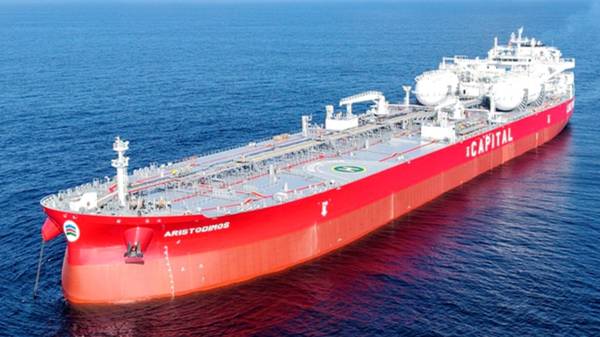
New Times Shipbuilding delivers LNG dual-fuel crude oil tanker to Capital
Chinese yard hands over 155,500-dwt vessel in ceremony attended by owner’s representative. |
|
|
|
||
|
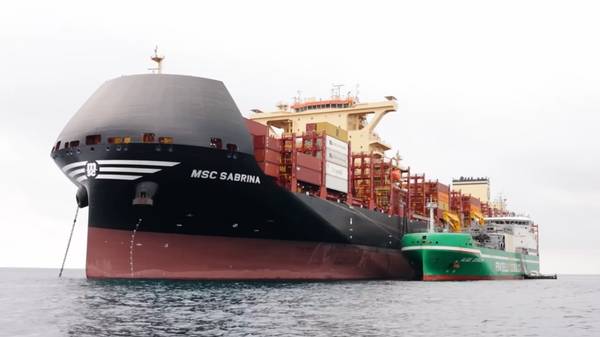
Shell completes maiden LNG bunkering operation in Valencia
Delivery to MSC vessel facilitated by Fratelli Cosulich said to be first-ever LNG bunker supply at Spanish port. |
|
|
|
||
|
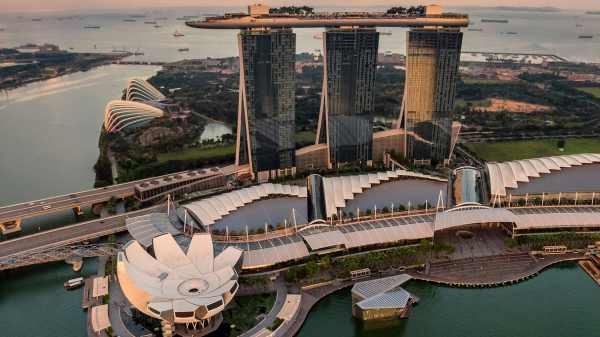
PIL hiring senior marine fuels executive to manage global bunkering operations
Singapore-based role includes oversight of fuel procurement and delivery operations, covering PIL's fleet of container and multi-purpose vessels. |
|
|
|
||
|
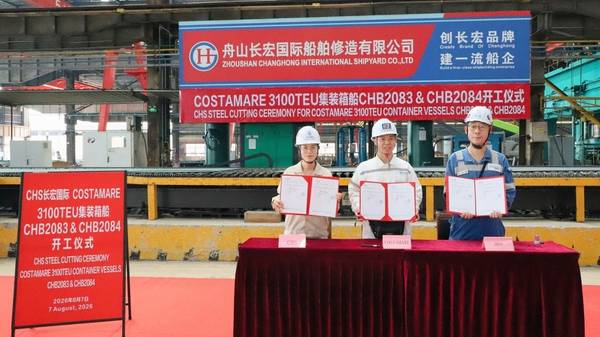
Changhong International Shipbuilding cuts steel on two more 3100-teu boxships for Costamare
HSFO-fuelled vessels feature scrubbers, SCR systems and shore power connections to meet emissions requirements. |
|
|
|
||

|
Lloyd’s Register and Maersk Mc-Kinney Møller Center launch ammonia safety and training resources for shipping
New tools aim to help operators build the safety management and competency frameworks needed for ammonia-fuelled vessels. |
|
|
|
||

|
IBT Bunkering & Trading appoints Kevin Döhmen to manage new Singapore office
Döhmen tasked with developing IBT’s operation in the Asian city-state. |
|
|
|
||
|
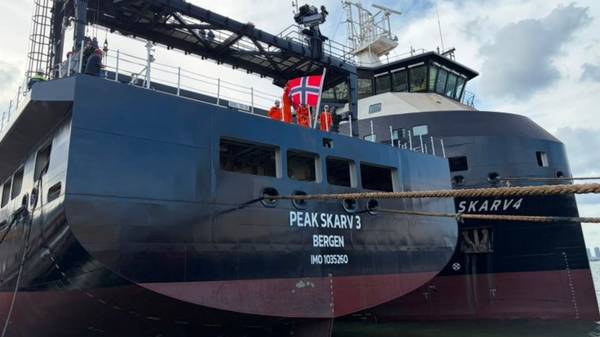
Peak takes delivery of third S-class vessel and cuts steel for ammonia-fuelled ship
Norwegian operator marks two events at Chinese yard as ammonia-powered newbuild programme advances. |
|
|
|
||
|
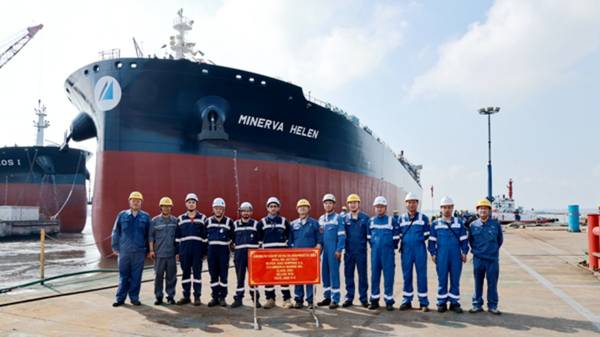
New Times Shipbuilding launches LNG dual-fuel tanker for Minerva
112,500-dwt Minerva Helen launched at shipyard in Jiangsu, China. |
|
|
|
||
|
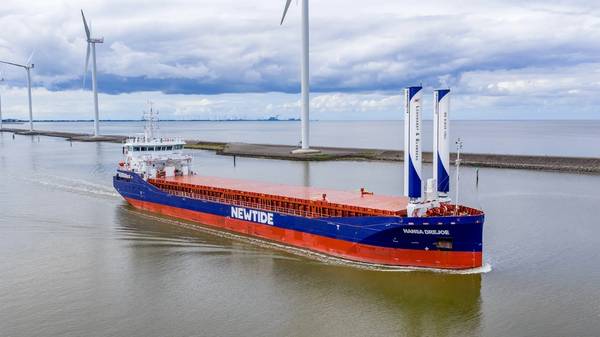
Leonhardt & Blumberg equips first of four newbuilds with Econowind VentoFoils
German shipowner installs wind-assisted propulsion technology aboard general cargo vessel Hansa Drejoe. |
|
|
|
||
| Singapore opens applications for additional LNG bunkering licences [News & Insights] |
| FueLNG completes 800th LNG bunkering operation in Singapore [News & Insights] |
| CIMC SOE secures orders for three LNG bunkering vessels [News & Insights] |
| Somtrans christens 8,000-cbm LNG bunker barge for Belgian and Dutch ports [News & Insights] |
| Cosulich Marine Energy lays keel for methanol-ready bunker tanker [News & Insights] |

