Mon 6 Jul 2009, 11:02 GMT

Petrojam to expand bunker-producing refinery


State-run firm seeks financing to raise oil production by 20,000 barrels per day.


State-run oil refiner and bunker supply firm Petrojam Ltd is planning to raise around $2 billion to finance the expansion of its bunker-producing refinery, according to local media reports.

The company's financial advisers Ernst & Young, are expected to act on the company's behalf to raise the financing for the upgrade project, which is set to increase oil production at the facility to 56,000 barrels per day.

Construction work is due to commence by early 2010 with completion scheduled for 2011. However the expanded facility is not expected to be fully operational until 2014.

Petrojam's 36,000-barrel-per-day(BBL/d) Kingston refinery was built in 1963. Approximately 56 per cent of the refinery's output is currently dedicated to the production of heavy fuel oil, with the remaining 44 per cent being 'clean' products: LPG, turbo, gasolene and diesel fuels.

In the year ended March 2009, Petrojam made a net loss of $3.8 billion, according to data released by the finance ministry. The company earnt $119 billion in top-line revenue, but it also paid out $118 billion for crude and other production-related inputs.

As well as raising the refinery's daily production to keep up with market demand, the upgrade project will enable the facility to process heavier - and thus cheaper - crudes, which in turn will help to improve refining margins.

Phase one of the project will see the installation of a Visbreaker unit; a new vacuum tower; a new catalytic reforming unit; and, new desulphurisation facilities to reduce the sulphur content in diesel oil from 5,000 parts per million (ppm) to around 15ppm.

The modernisation plan is based on the findings of a pre-feasibility study carried out by Texas-based energy consulting firm Muse Stancil, which looked at a number of possible plant-upgrade options.


Capital Clean Energy Carriers Corp. (CCEC) and CMA CGM logos. Capital Clean Energy Carriers and CMA CGM form joint venture to build $82.8m LNG bunkering vessel  

The 20,000-cbm dual-fuel vessel is due for delivery in the third quarter of 2028.

Hong Kong flag. Hong Kong launches port dues and vessel registration incentives to boost green fuel bunkering  

Two new schemes offer financial concessions to attract green fuel vessels and grow the Hong Kong fleet.

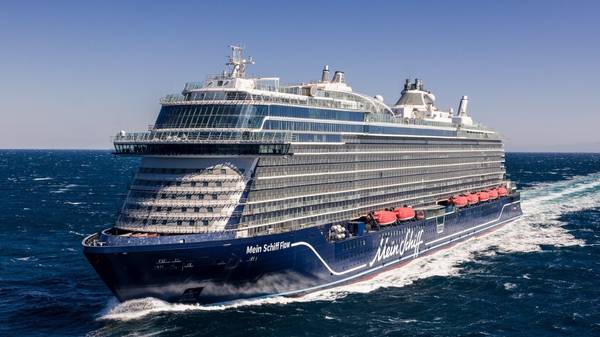
Mein Schiff Flow vessel. Fincantieri delivers LNG-ready cruise ship Mein Schiff Flow to TUI Cruises  

The 160,000 gross-tonne vessel is the second of two InTUItion-class dual-fuel ships.

Monjasa logo. Monjasa seeks trader for Fredericia-based Northwest Europe desk  

Bunker firm is recruiting a trader to join its Northwest Europe team.

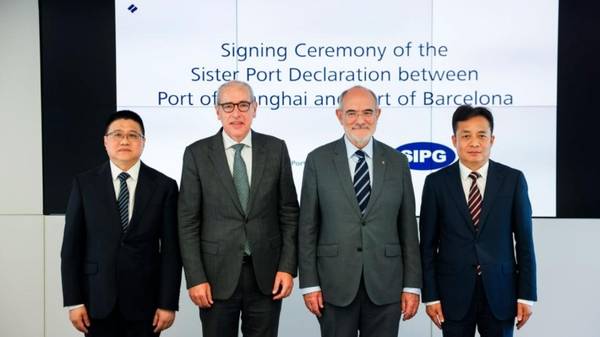
Port of Barcelona and Port of Shanghai signing ceremony. Barcelona and Shanghai sign strategic port cooperation agreement targeting green fuels and digital corridors  

Ports formalise a 'sister ports' relationship covering green shipping, digitalisation and intermodality.

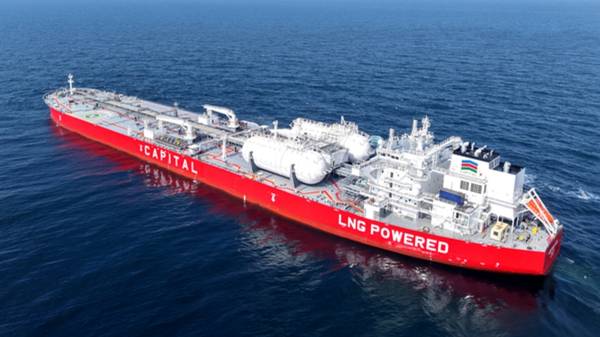
Capital's LNG-powered vessel. Chinese shipbuilder delivers 155,500-dwt LNG dual-fuel crude oil tanker  

Vessel handed over to Capital Ship Management Corp in China.

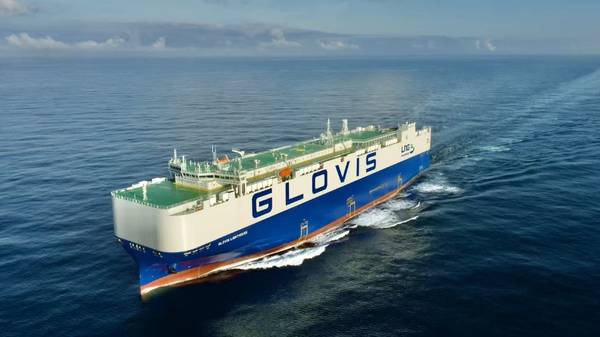
Glovis Lighthouse vessel. Seaspan takes delivery of first 10,800-ceu dual-fuel LNG car carrier  

Glovis Lighthouse enters service as one of a handful of vessels globally to exceed 10,000 CEU capacity.

Port of Rotterdam, Maersk, Core Power and Lloyd's Register logos. Rotterdam study maps pathway for nuclear-powered commercial ship port calls  

A joint study by Lloyd's Register, the Port of Rotterdam, Core Power and Maersk examines the feasibility of nuclear vessel port calls.

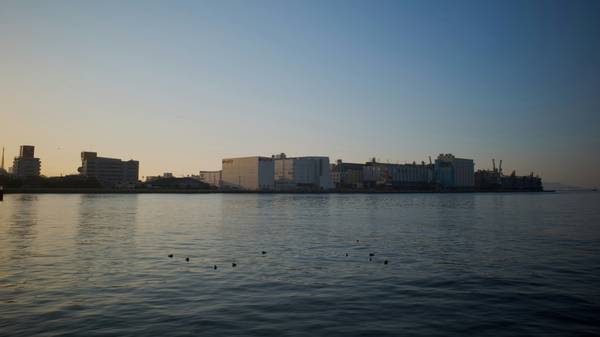
Hakata waterfront. Kinkai Yusen conducts first biofuel demonstration on domestic ro-ro vessel at Hakata Port  

Japanese shipping company to trial B24 biofuel blend aboard the vessel Nanotsu on 16 June.

Norwegian Energy Trading (NET) AS logo. Norwegian Energy Trading renews ISCC certification for biofuel trading  

Norwegian bunker trader says renewal reflects growing biofuel volumes and commitment to verifiable sustainability standards.