
 |
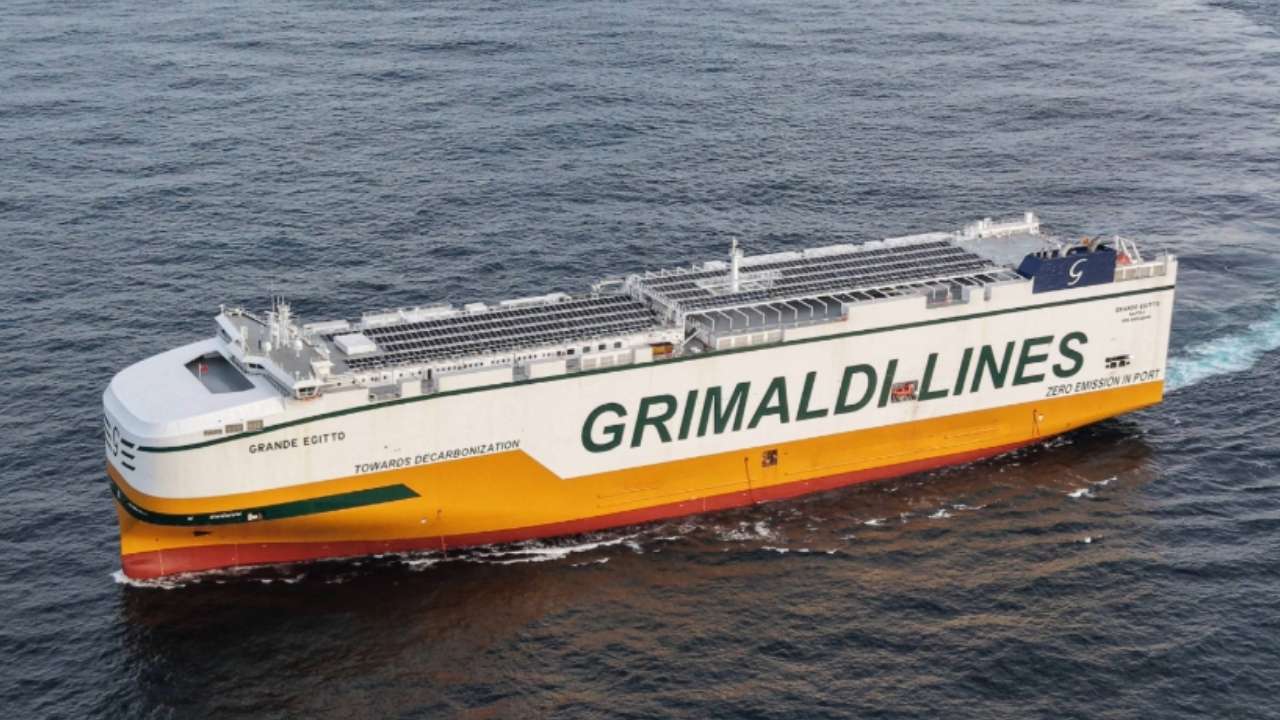
Grimaldi Group has taken delivery of Grande Egitto, a pure car and truck carrier (PCTC) built by China Merchants Heavy Industries Jiangsu.
The vessel is the fourteenth ammonia-ready unit in Grimaldi's fleet. Together with her sister ship, Grande Pacifico, which entered service last month, Grande Egitto holds the record as the largest PCTC in the Grimaldi fleet.
The ship measures 220 metres in length, has a 38-metre beam, a gross tonnage of 95,534 tonnes and a service speed of 18 knots. Her 15 decks provide cargo capacity for 9,800 CEU. In addition to carrying electric and conventionally fuelled vehicles, the vessel is designed to transport vehicles powered by compressed natural gas (CNG).
RINA, the Italian Shipping Register, has awarded Grande Egitto the Ammonia Ready class notation, which certifies that the vessel can be converted to run on ammonia as an alternative fuel. The ship has also received additional class notations, including Green Plus, Green Star 3, Comfort Vibration and Comfort Noise Port.
According to Grimaldi, the environmental technologies installed on board allow Grande Egitto to reduce fuel consumption by 50% compared with previous-generation car carriers. The vessel is equipped with lithium batteries with a total capacity of 5 MWh, and it is designed for shore-power connection at suitably equipped ports, allowing the ship to achieve zero emissions while berthed.
Other energy-efficiency features include 2,500 square metres of solar panels, energy-management systems, silicone hull coatings intended to reduce drag, an air-lubrication system, an optimised hull design and a gate rudder, designed to improve both propulsion efficiency and manoeuvrability.
The vessel's electronically controlled main engine is fitted with exhaust-gas treatment systems intended to reduce emissions of sulphur oxides, particulate matter and nitrogen oxides, with the latter said to fall below IMO Tier III limits.
The vessel's maiden voyage is due to begin next week on the Asia–East Africa service, connecting markets in the Far East with commercial hubs in East Africa. Grande Egitto will load 4,150 cars and 6,200 linear metres of rolling freight — including excavators, buses and trucks — at the Asian ports of Taicang in China and Yokohama and Nagoya in Japan, before sailing to Dar es Salaam in Tanzania and Mombasa in Kenya.
Emanuele Grimaldi, managing director of the Grimaldi Group, commented: “With the entry into service of the Grande Egitto, we are giving a new, important boost to the expansion and modernization path of our vehicle transport fleet. This new 9,800-CEU unit represents the perfect synthesis of commercial efficiency and environmental respect. By choosing to deploy it on the Asia–East Africa route, we want to provide a concrete response to the demands of an increasingly dynamic market, offering our customers regular, flexible maritime connections characterized by the lowest possible environmental impact.”
|
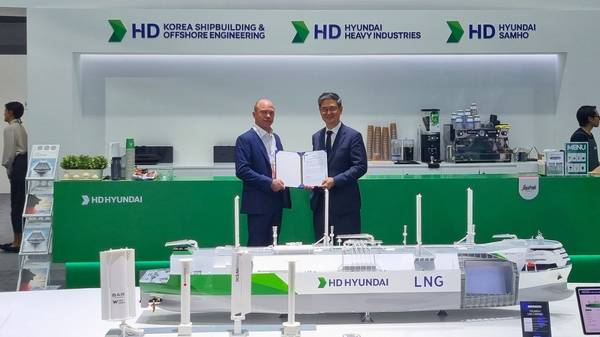
ABS grants design approval for ammonia bunkering vessel from HD HHI and HD KSOE
Approval in principle covers a 22,000-cbm multi-purpose vessel intended to supply ammonia as marine fuel. |
|
|
|
||
|
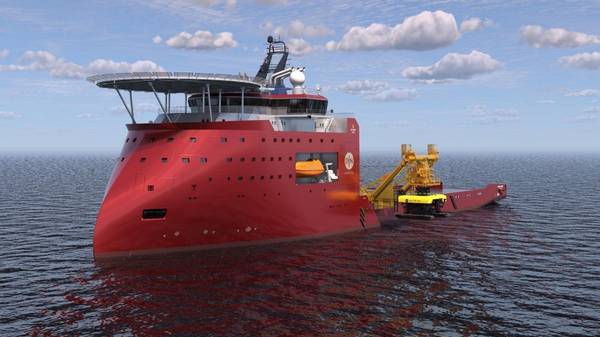
Jan De Nul exercises option for alternative-fuel-capable trenching vessel
Belgian marine contractor confirms option for a second subsea trenching vessel built on Ulstein's customised design platform. |
|
|
|
||
|
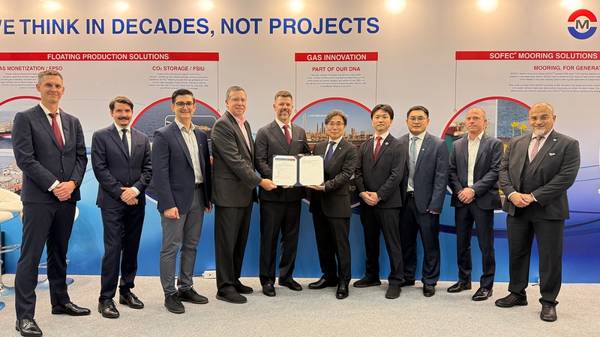
ABS grants technology qualification approval for FPSO fuel cell system
MODEC and Eld Energy’s solid oxide fuel cell system moves towards offshore trials after clearing initial ABS review stages. |
|
|
|
||

|
IMO sub-committee finalises revised methanol fuel safety guidelines
CCC 12 completes revision of interim methanol fuel guidelines while advancing work on carbon capture and low-flashpoint fuel rules. |
|
|
|
||
|
Trafigura spins off VLCC fleet into new listed shipping company
Volare Shipping established, with eight ammonia-ready vessels on order. |
|
|
|
||
|
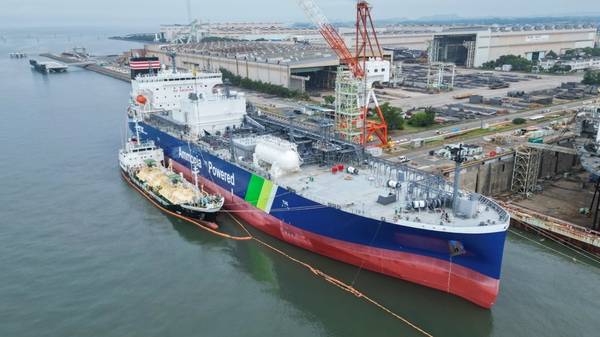
Japan completes world's first ship-to-ship ammonia bunkering to ammonia-fuelled vessel
Ammonia fuel transferred between ships at Ariake Shipyard ahead of gas carrier’s sea trials. |
|
|
|
||
|
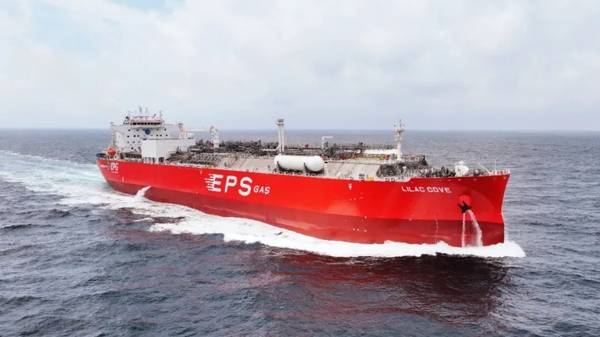
Jiangnan delivers second LPG dual-fuel VLAC in series to Singapore’s EPS
Lilac Cove, the world’s largest liquid ammonia carrier, joins Ivy Cove as Jiangnan advances its six-ship VLAC programme. |
|
|
|
||
|
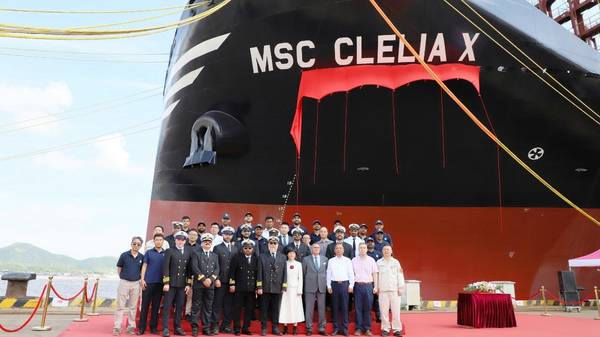
MSC LNG dual-fuel container ship delivered almost a year early
Chinese shipbuilder hands over sixth 10,300-TEU vessel in series to MSC ahead of contract schedule. |
|
|
|
||
|
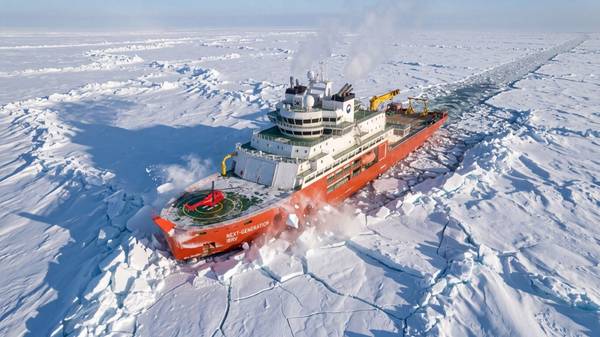
Steel cutting marks start of construction on dual-fuel icebreaking research vessel
Hanwha Ocean begins building a dual-fuel LNG/MGO icebreaker for the Republic of Korea’s Ministry of Oceans and Fisheries, due for delivery in 2030. |
|
|
|
||
|
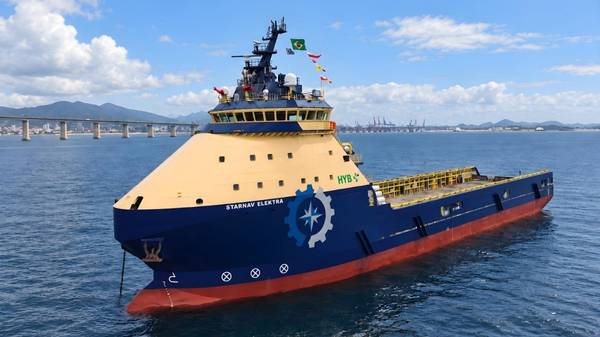
Petrobras christens first vessel under Mar Aberto fleet renewal programme
Platform supply vessel Starnav Elektra, built in Santa Catarina with an all-female crew, marks the first delivery under the fleet initiative. |
|
|
|
||
| Jan De Nul exercises option for alternative-fuel-capable trenching vessel [News & Insights] |
| Trafigura spins off VLCC fleet into new listed shipping company [News & Insights] |
| Japan completes world's first ship-to-ship ammonia bunkering to ammonia-fuelled vessel [News & Insights] |
| Jiangnan delivers second LPG dual-fuel VLAC in series to Singapore’s EPS [News & Insights] |
| Jiangnan delivers second LPG dual-fuel VLAC in series to Singapore’s EPS [News & Insights] |
