
 |
The Maritime Technologies Forum (MTF) has published new guidelines aimed at helping companies develop and strengthen safety management systems (SMS) for ships using methanol as fuel.
The guidelines, developed collaboratively by MTF members and industry stakeholders with expertise in methanol fuel technologies and the International Safety Management (ISM) Code, provide methanol-specific recommendations across all functional areas of an SMS.
According to the MTF, low-carbon methanol has emerged as one of the more scalable alternative fuel options as the maritime industry pursues decarbonisation. Its liquid state under ambient conditions and compatibility with existing fuel infrastructure are cited as factors behind its growing adoption. However, the MTF notes that methanol's toxicity, low flashpoint, and invisible vapour and flame characteristics introduce safety challenges that require enhanced procedural controls and risk management measures.
Recognising that methanol as a marine fuel remains at an early stage of adoption, the guidelines place particular emphasis on risk-based decision-making, continuous improvement and organisational agility. The report also stresses the value of learning from hazardous occurrences, near misses and accidents involving methanol fuel.
The guidelines address the transition period in which both conventional fuels and methanol may be carried and used onboard simultaneously, recommending that companies develop SMS frameworks capable of supporting such mixed-fuel operations.
Human factors are identified by the MTF as a critical element in ensuring safe methanol operations, with recommendations that companies assess competency, training, familiarisation and resource requirements based on individual roles and responsibilities.
Nick Brown, CEO of Lloyd's Register, stated: "While IMO regulatory discussions continue, many ship owners and operators are already moving ahead with alternative fuel retrofits and newbuilds. For those choosing methanol, these guidelines provide practical recommendations to ensure safety management systems appropriately reflect its characteristics as a fuel."
Capt. M. Segar, chief marine officer/senior adviser at the Maritime and Port Authority of Singapore, remarked: "We appreciate the collective efforts of industry and MTF members to bring together practical experience and regulatory perspectives in support of the safe adoption of methanol as a marine fuel. It serves as a practical reference for companies developing or strengthening their Safety Management Systems for ships using methanol as fuel."
The MTF is a forum of flag states and classification societies established to provide technical and regulatory expertise to the maritime industry. Flag state administrations include Japan's Ministry of Land, Infrastructure, Transport and Tourism (Maritime Bureau), the Norwegian Maritime Authority, the UK's Maritime and Coastguard Agency, and the Maritime and Port Authority of Singapore. Classification society members are ABS, DNV, Lloyd's Register and ClassNK.
|
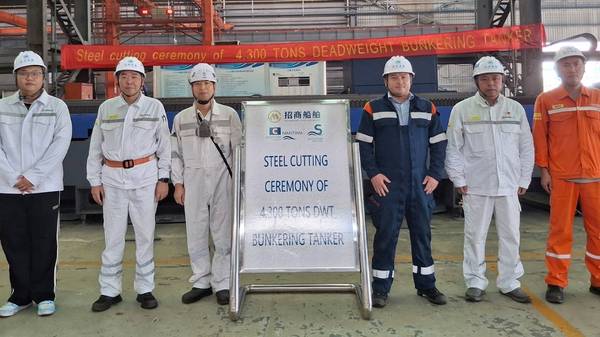
Maritima holds steel-cutting ceremony for Cap Morgiou, first of two Petroineos bunker vessels
Construction starts on bunker vessel able to carry conventional and low-carbon marine fuels, with delivery expected in early 2028. |
|
|
|
||
|
Singapore launches series of measures at SIBCON 2026
MPA announces LNG storage licences, digital bunkering grants and electric harbour craft incentives at 24th conference. |
|
|
|
||
|
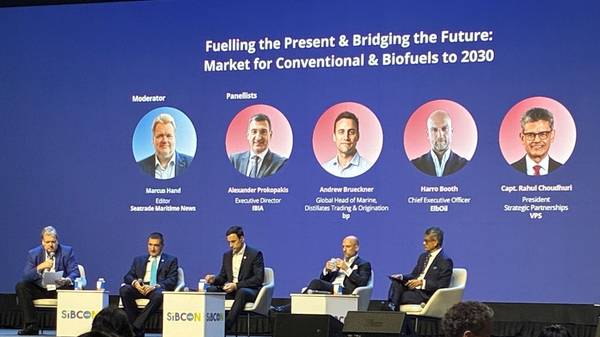
VPS outlines marine fuel standards and quality data at SIBCON 2026
VPS's Rahul Choudhuri addresses Singapore's evolving fuel standards and the quality of conventional fuels and biofuels. |
|
|
|
||
|
Singapore launches ammonia bunkering code and new standards for fuel sampling and polymer testing
MPA and Enterprise Singapore introduce one standard and two technical references at SIBCON. |
|
|
|
||
|
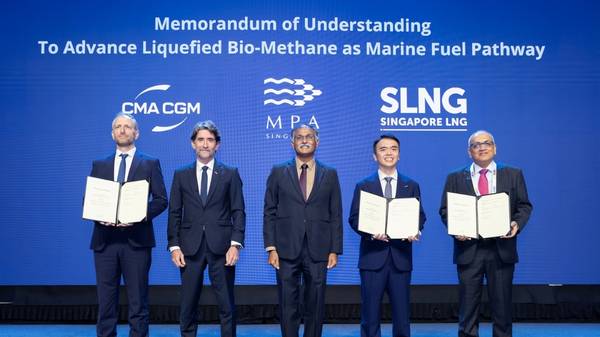
MPA, CMA CGM and SLNG sign MoU to explore liquefied biomethane as a marine fuel in Singapore
Three-way agreement will examine certification, supply and bunkering of LBM using Singapore's existing LNG infrastructure. |
|
|
|
||
|
ROC wins order for PSVs featuring replaceable containerised battery system
Nantong Rainbow Offshore secures 1+1 contract for 4,000 DWT platform supply vessels. |
|
|
|
||
|
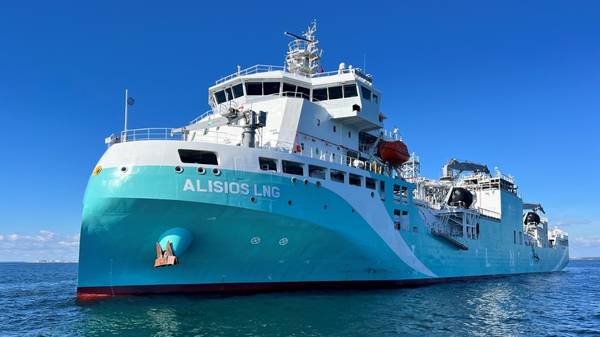
Axpo completes first LNG bunkering in Valencia, with over half bio-LNG
Ship-to-ship transfer to a container vessel makes Valencia the company's fourth Spanish port for LNG bunkering. |
|
|
|
||
|
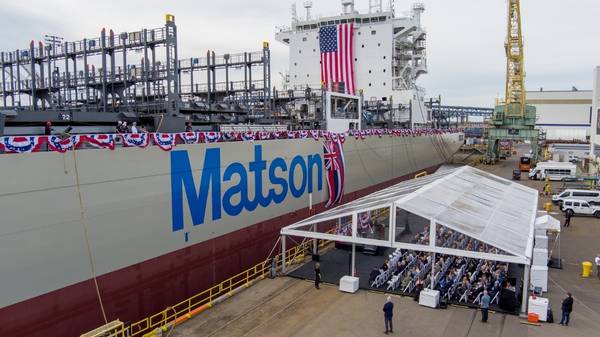
Matson christens Makua, first of three LNG-ready Aloha Class container ships
Dual-fuel vessel, due for delivery in early 2027, is the first of three ships worth around $1bn. |
|
|
|
||
|
CMB.Tech seeks Singapore-based ammonia operations manager for Asia Pacific
New hire will oversee ammonia chartering and bunkering and liaise with Far East partners. |
|
|
|
||
|
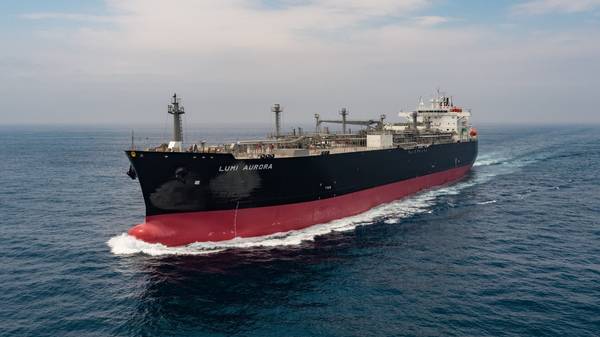
IINO Lines deploys first Ice Class IB VLGC on long-term charter to Borouge International
LPG-fuelled Lumi Aurora will carry North American gas to Borouge International's Porvoo plant in Finland. |
|
|
|
||
| Singapore launches series of measures at SIBCON 2026 [News & Insights] |
| Singapore launches ammonia bunkering code and new standards for fuel sampling and polymer testing [News & Insights] |
| Study finds methanol dual-fuel retrofit of Kamsarmax bulk carrier would take about 75 days [News & Insights] |
| Nuclear-powered LNG carriers cost more upfront but cut lifetime fuel bills, ABS-backed study finds [News & Insights] |
| Electric and hybrid ferries could cut Sea of Marmara emissions by 63%, IMO study finds [News & Insights] |
