
 |
A joint study led by the Mærsk Mc-Kinney Møller Center for Zero Carbon Shipping has examined the technical and economic feasibility of retrofitting existing Kamsarmax bulk carriers for methanol dual-fuel operation.
Titled 'Retrofit of an 82,000 DWT bulk carrier for methanol dual-fuel capability', the study involved Tsuneishi Shipbuilding and used the Japanese firm's Kamsarmax design as the reference vessel. It examined the engineering requirements for converting an existing bulk carrier that burns heavy fuel oil into a methanol dual-fuel ship.
The research covers methanol fuel tank arrangement; fuel supply systems; impacts on hull structure and stability; hazard identification (HAZID); retrofit methodology; and economic viability. Particular attention is said to have been given to optimising fuel tank arrangements while minimising any impact on cargo-carrying capacity, as methanol requires larger storage volumes due to its lower energy density compared with conventional marine fuels.
According to the report, the retrofit is estimated to take about 75 days. Conversion costs are projected at roughly 25–30% of the cost of a conventionally fuelled newbuilding.
The study also looks at ways to shorten dry-dock and off-hire periods. These include modularising and prefabricating retrofit work offline wherever possible.
Tsuneishi said it is committed to providing decarbonisation solutions for fleets worldwide, including the widely operated Kamsarmax series. It plans to do this through next-generation newbuildings and retrofits of existing vessels. The company said it will continue to work on alternative fuel technologies and environmental solutions across the vessel lifecycle.
|
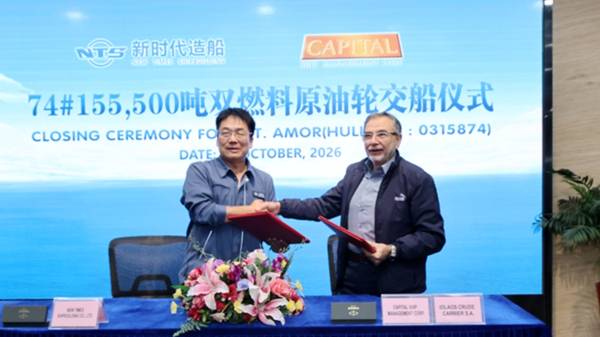
LNG dual-fuel crude tanker handed over to Capital
Jiangsu New Times Shipbuilding delivers the 155,500-DWT LNG dual-fuel crude oil vessel Amor. |
|
|
|
||

|
Gasum names Lowina Lundström as vice president, biogas
Former EIT InnoEnergy executive joins Gasum's management team to lead biogas business development from 1 December. |
|
|
|
||
|
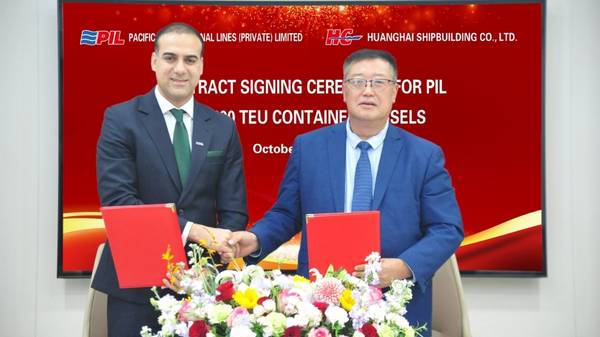
PIL orders seven methanol-ready feeder vessels from Huanghai Shipbuilding
Singapore carrier's 1,400-TEU newbuilds will boost intra-Asia capacity and support its 2050 net zero target. |
|
|
|
||
|
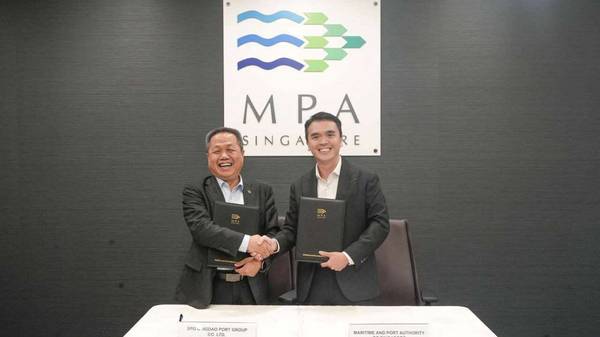
Singapore and Qingdao sign work plan to advance green and digital shipping corridors
MPA and Shandong Port Group’s Qingdao Port have agreed to pursue methanol bunkering pilots and data-sharing initiatives between the two ports. |
|
|
|
||
|
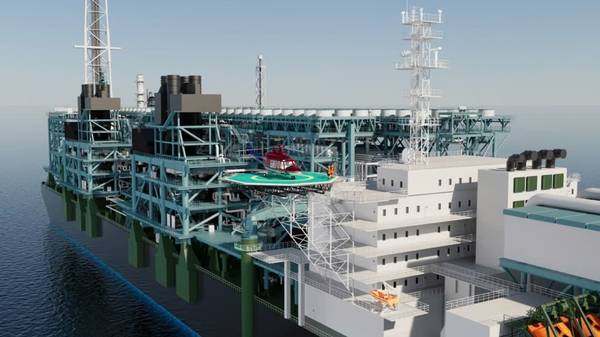
Wärtsilä to supply dual-fuel engines and thrusters for Delfin Midstream's FLNG vessel
Finnish technology group lands propulsion order for first floating LNG vessel built for US Gulf export project. |
|
|
|
||

|
Uni-Fuels advertises for senior bunker trader in Dubai
Nasdaq-listed firm recruiting for its trading team as it aims to drive growth. |
|
|
|
||
|
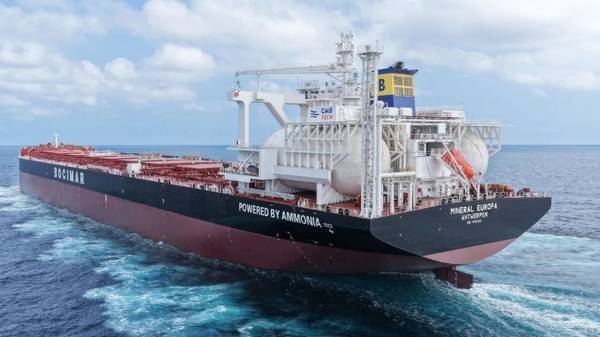
Green ammonia bunkered to ammonia-powered bulk carrier in Australian first
Pilbara Ports, Fortescue and CMB.Tech complete a ship-to-ship ammonia transfer at Port Hedland, supporting plans for a clean fuel bunkering hub in the region. |
|
|
|
||
|
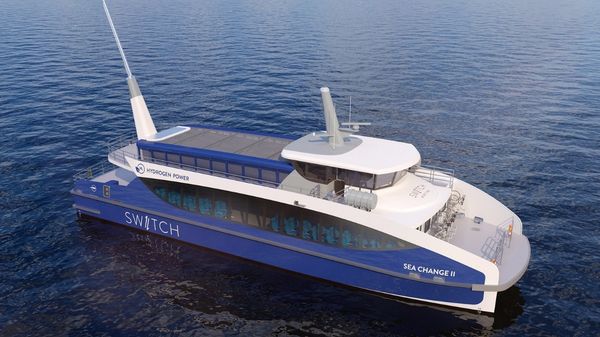
US Coast Guard agrees design framework for hydrogen-fuelled New York ferry
Switch Maritime and Incat Crowther reach regulatory agreement for a 150-passenger hydrogen fuel cell-electric fast ferry intended for New York's waterways. |
|
|
|
||
|
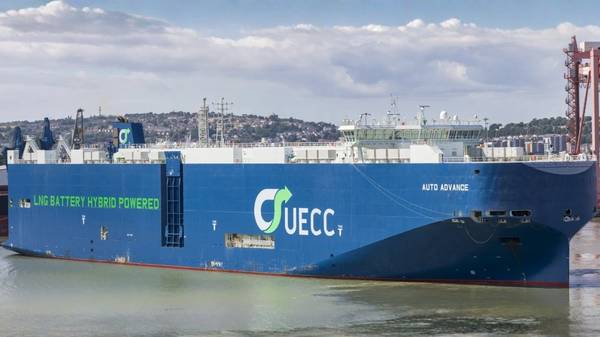
UECC fits WE Tech hybrid power systems on newbuild ro-ro vessels
Norwegian short-sea operator says battery and shaft generator technology from WE Tech Solutions has cut fuel use and auxiliary engine reliance on three newbuilds. |
|
|
|
||
|
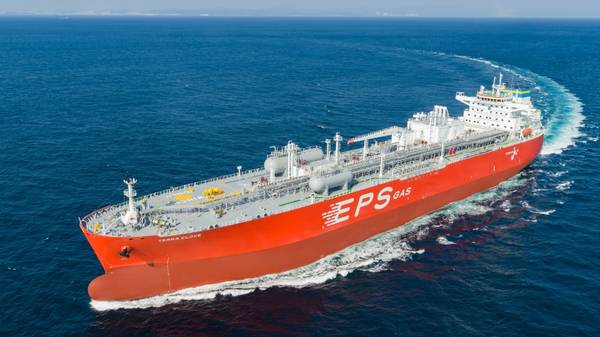
Envision's green ammonia used to bunker world's first VLAC
Chinese energy group supplies vessel owned by Eastern Pacific Shipping as it links production and marine fuel supply chains. |
|
|
|
||
| Green ammonia bunkered to ammonia-powered bulk carrier in Australian first [News & Insights] |
| Alternative-fuel ship orders outpace port infrastructure, LR report finds [News & Insights] |
| WinGD signs first licence deal with HD Hyundai Marine Engine to expand Korean production [News & Insights] |
| MOL names world's first ammonia-fuelled Capesize bulk carriers [News & Insights] |
| Los Angeles and Long Beach identify LNG and methanol as key near-term marine fuels [News & Insights] |
