
 |
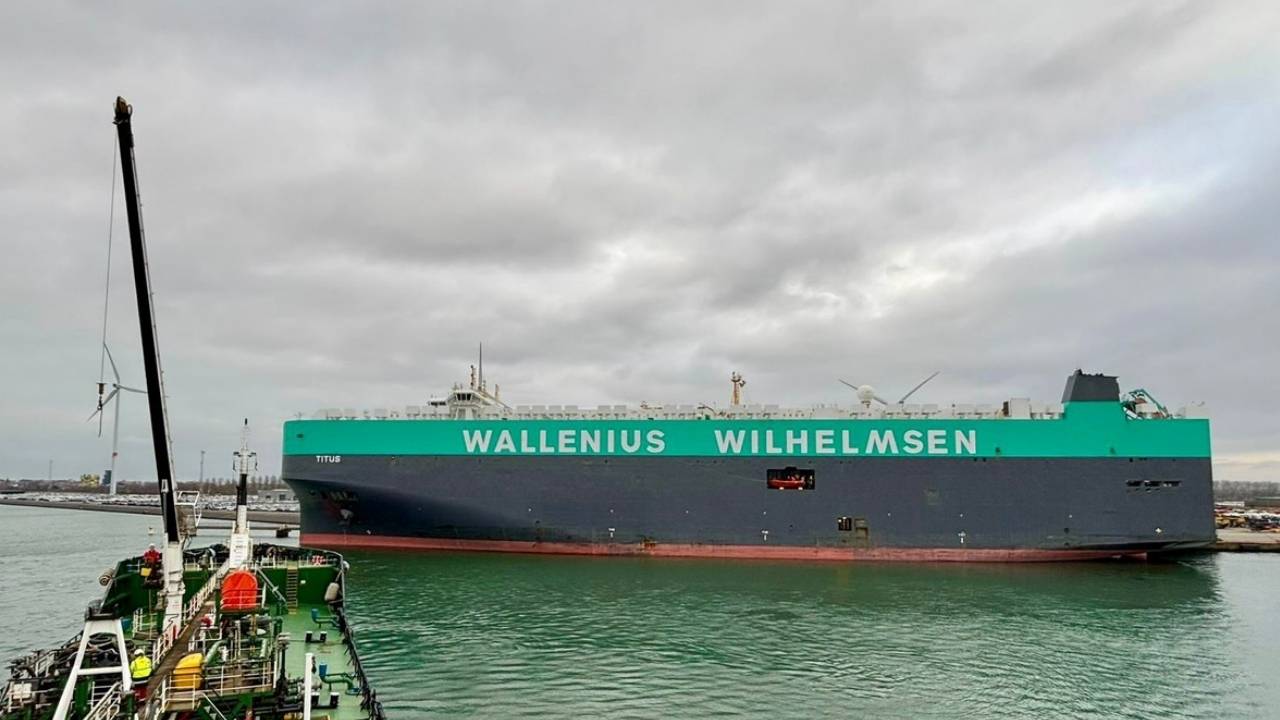
ExxonMobil has supplied a B30 0.50% sulphur marine residual fuel blend made using fatty acid methyl ester (FAME) distillation residue to Wallenius Wilhelmsen, completing what the company describes as its first sea trial of a bio marine fuel blend using this feedstock.
The fuel was bunkered by the vehicle carrier Titus in Zeebrugge ahead of the trial, ExxonMobil said, adding that the B30 very-low-sulphur fuel oil (VLSFO) meets the RMG380 residual fuel oil classification and complies with ISO 8217:2017, with the exception of the bio blend component.
ExxonMobil explained that the fuel blend shares similar drop-in properties to a B30 VLSFO made with FAME produced from used cooking oil (UCOME), and the firm claims marine fuels made with FAME distillation residue carry an advantage over FAME itself, in that there is currently no competition for the material from other transport sectors.
Additionally, ExxonMobil points out that several key properties of FAME distillation residue — including density and viscosity — are closer to those of the VLSFO component than FAME is, meaning users would see a lower reduction in viscosity compared with a FAME-in-VLSFO blend. This, the supplier notes, makes the fuel comparatively easier to handle onboard ships. Extensive laboratory testing, it adds, has shown good compatibility between petroleum-based VLSFOs and the B30 VLSFO made with FAME distillation residue.
During the trial, the B30 VLSFO batch was said to have been bunkered without issue, with onboard storage and handling not resulting in any filtration or purification issues, and engine performance remaining stable, as confirmed by comparing key parameters recorded in performance and condition monitoring reports before, during and after the trial.
Gideon Simmelink, account manager marine fuels at ExxonMobil, commented: "This successful sea trial highlights a practical, cost-effective pathway for customers to reduce their lifecycle greenhouse gas emissions while maintaining operational performance. By leveraging FAME distillation residue, ExxonMobil can offer a drop-in solution that supports compliance with evolving EU regulations and helps operators advance their lower GHG emission goals with confidence."
Kari Haugen, senior manager energy sourcing at Wallenius Wilhelmsen, remarked: "Wallenius Wilhelmsen has a long-standing collaboration with ExxonMobil. This trial supports our efforts to assess new fuel options and advance our decarbonisation ambitions."
ExxonMobil advises that operators should consult with engine manufacturers, as original equipment manufacturers may limit bio blend percentages or specific bio components for certain engine designs.
|
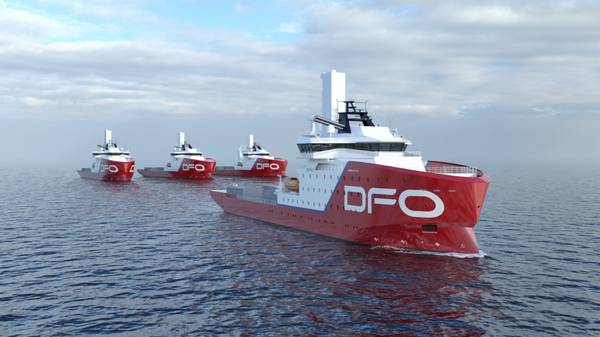
Dong Fang Offshore orders CSOV with battery-hybrid propulsion
Vard secures fifth newbuild contract from Taiwanese firm, with delivery scheduled for 2028. |
|
|
|
||
|
Spain sets out regulatory roadmap for biomethane and bio-LNG growth
Molgas outlines Spain’s biogas targets, certification rules and adoption barriers across transport, maritime and grid injection. |
|
|
|
||
|
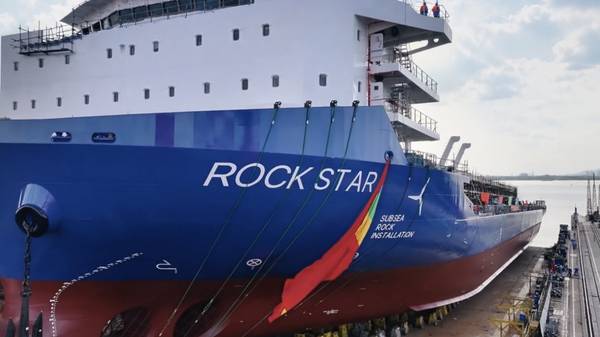
CSL and OWL launch first subsea rock installation vessel for offshore wind
MV Rock Star can run on MGO and methanol and is designed to support scour protection and cable burial for offshore wind projects. |
|
|
|
||
|
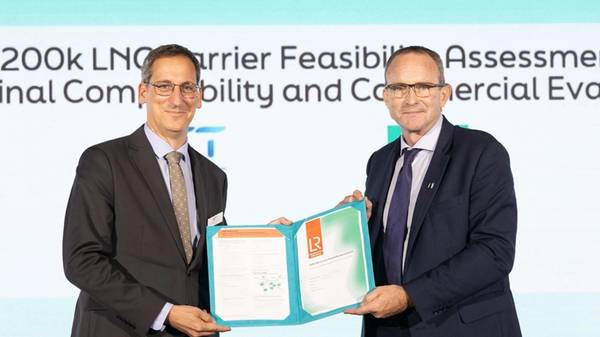
Lloyd’s Register study backs 200,000-cbm LNG carriers for fleet renewal
Analysis finds larger LNG carriers could cut transport costs while retaining access to most major terminals. |
|
|
|
||
|
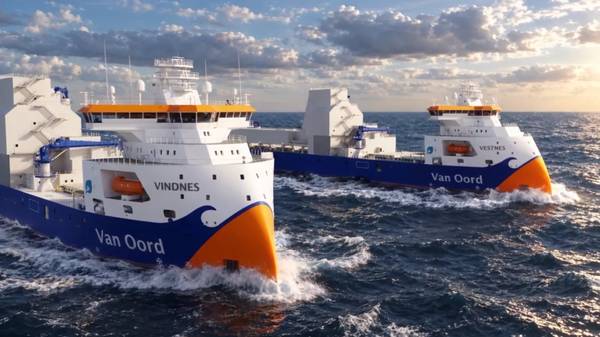
Van Oord names new fallpipe vessels with multi-fuel engines
Dutch marine contractor unveils two purpose-built subsea rock installation vessels due for delivery in 2028 and 2029. |
|
|
|
||
|
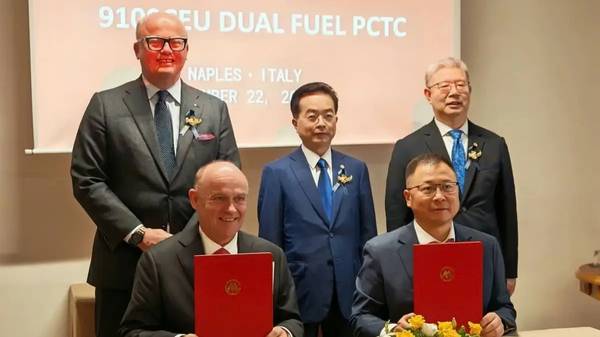
Höegh Autoliners signs contract for six dual-fuel LNG vessels
Aurora Class ships are designed to be converted to run on alternative fuels in the future. |
|
|
|
||
|
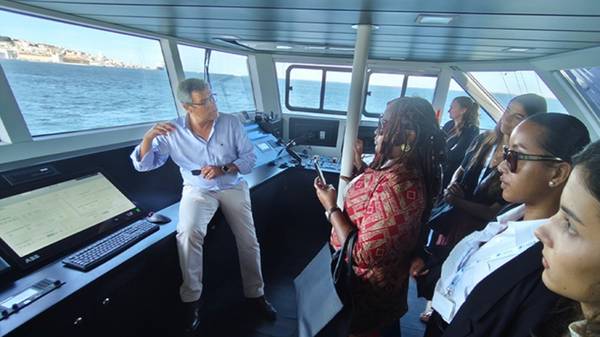
IMO and EMSA gather maritime experts to address seafarer training for alternative fuels
Experts examine how training frameworks must evolve as shipping adopts ammonia, methanol, hydrogen and other new technologies. |
|
|
|
||

|
Portsmouth port publishes white paper on UK’s first multi-berth shore power system
UK port shares lessons from five-year project in bid to spur nationwide uptake of the technology. |
|
|
|
||

|
IMO seminar examines technical hurdles facing ammonia as a marine fuel
Technical seminar under the Future Fuels and Technology Project attracts over 800 participants. |
|
|
|
||
|
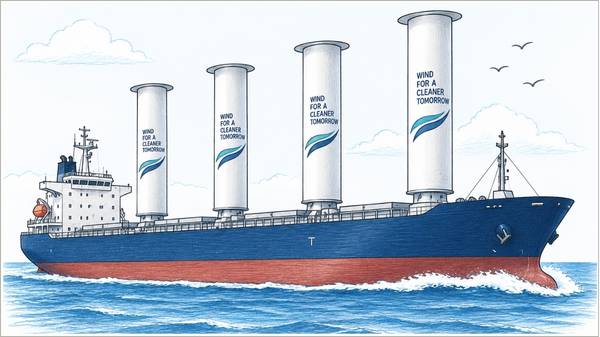
ICS to host webinar on wind-assisted propulsion for shipping
Event to bring together panel of industry experts to discuss wind propulsion as a decarbonisation option. |
|
|
|
||
| Petrobras suspends bunker deliveries at Rio Grande after tropical storm [News & Insights] |
| ABS grants technology qualification approval for FPSO fuel cell system [News & Insights] |
| Japan completes world's first ship-to-ship ammonia bunkering to ammonia-fuelled vessel [News & Insights] |
| Japan Engine completes land-based testing of landmark hydrogen-fuelled engine for large vessels [News & Insights] |
| Four firms partner to trial continuous emissions monitoring on LNG carrier [News & Insights] |
