|
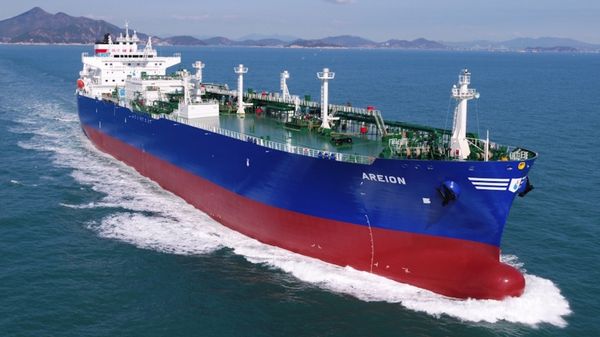
Dorian LPG takes delivery of dual-fuel VLGC capable of carrying ammonia
The 93,000-cbm Areion can run on LPG or fuel oil and transport ammonia cargoes. |
|
|
|
||
|
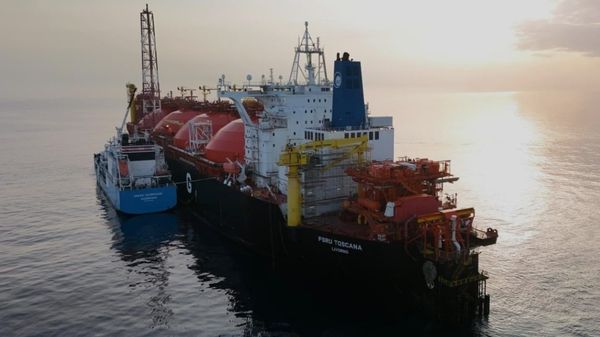
RINA awards ISCC EU certification to OLT Offshore LNG Toscana for bio-LNG supply
Certification enables bio-LNG use in the EU as a renewable fuel under RED II and RED III directives. |
|
|
|
||
|
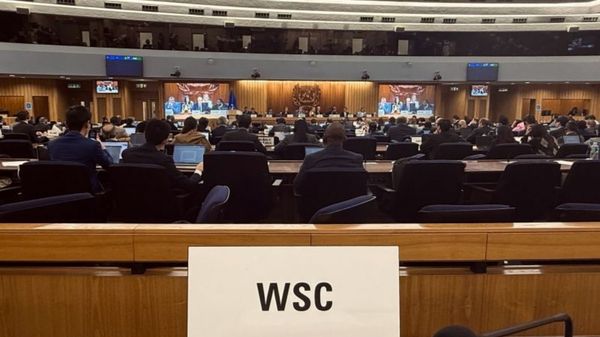
WSC calls for safe maritime corridor as 20,000 seafarers remain trapped in the Persian Gulf
Industry body urges IMO member states to establish safe passage and supply access. |
|
|
|
||
|
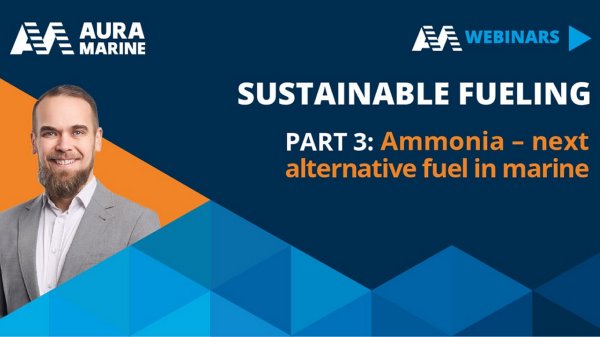
Auramarine to host webinar on ammonia as marine fuel in April
Finnish firm will explore ammonia’s role in maritime decarbonisation at its third spring webinar. |
|
|
|
||
|
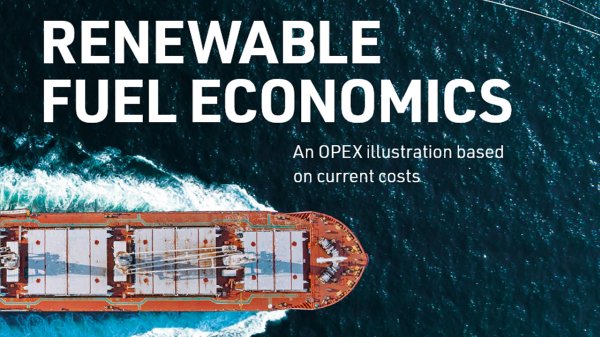
Green ammonia could reach cost parity with VLSFO and LNG by 2050, study finds
WinGD and Envision Energy study projects green ammonia operational costs competitive with conventional marine fuels. |
|
|
|
||
|
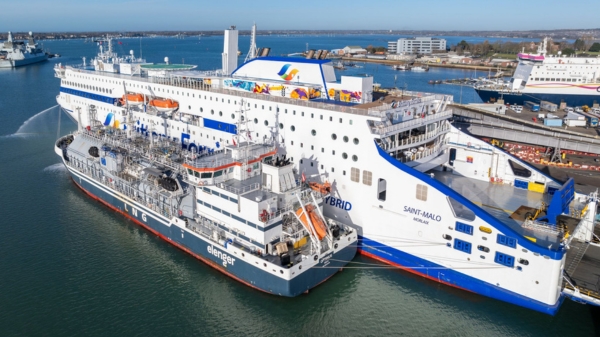
Bureau Veritas verifies methane emissions on Brittany Ferries’ LNG vessels
Verification enables ferry operator to report measured methane slip instead of regulatory default values. |
|
|
|
||
|
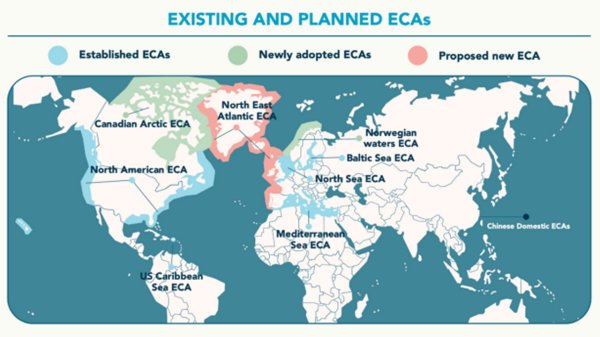
Alliance calls for urgent black carbon action as new Arctic emission control areas take effect
Canadian Arctic and Norwegian Sea ECAs now in force, with compliance deadline set for March 2027. |
|
|
|
||
|
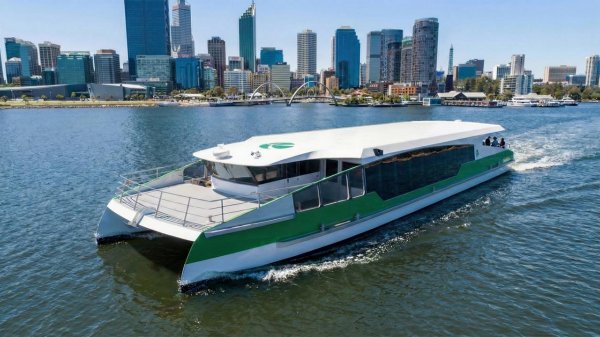
Lloyd’s Register to class Western Australia’s first electric ferry fleet
Echo Marine Group partners with Lloyd’s Register on five battery-electric ferries for Perth’s Swan River. |
|
|
|
||

|
ICS condemns Middle East shipping attacks as 20,000 seafarers remain trapped
Industry body calls for urgent state action to resupply vessels and enable crew changes. |
|
|
|
||
|
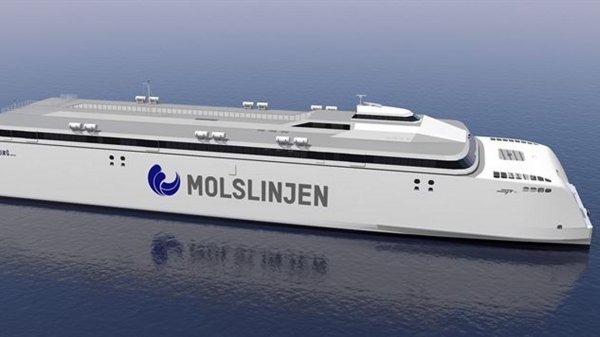
Molslinjen order propels Australia to top of battery vessel production rankings
Danish ferry operator’s three-catamaran order at Incat Tasmania shifts global manufacturing landscape, analysis shows. |
|
|
|
||
| Corvus to supply bunker-saving battery system to two Statoil-chartered PSVs [News & Insights] |
| Rolls-Royce launches new battery system for ships [News & Insights] |
| Rolls-Royce to supply more MTU engines to fuel-efficiency-focused Majestic Ferry [News & Insights] |
| ABS approves HD Hyundai Mipo's dual-purpose LNG carrier and bunker vessel design [News & Insights] |
| Gasum publishes daily price for FuelEU Maritime compliance units [News & Insights] |
| LNG-fuelled ships account for 79% of alternative fuel orders in 2025, SEA-LNG reports [News & Insights] |
| Everllence secures propulsion package order for five 8,400 TEU boxships [News & Insights] |
| Marine fuel procurement becomes strategic imperative as regulatory pressures mount: LR [News & Insights] |