Thu 4 Oct 2018, 11:14 GMT

Blockchain emissions MRV solution wins MIT Solve competition


MIT accolade goes to blockchain application designed to secure the chain of custody for marine fuel data.


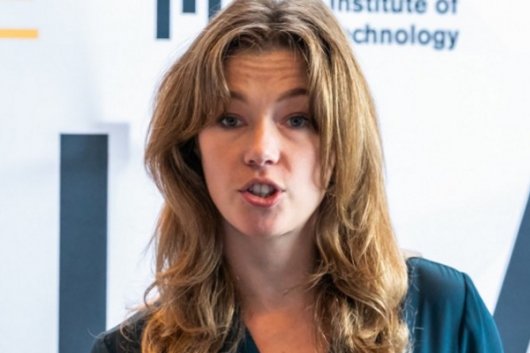
Deanna MacDonald, CEO of BLOC, presenting at the MIT's Solve Coastal Communities Challenge, for its work in developing emissions monitoring, reporting and verification (MRV) solutions for shipping.
Image credit: Blockchain Labs for Open Collaboration (BLOC)
Blockchain technology and governance specialist, Blockchain Labs for Open Collaboration (BLOC), has won the Massachusetts Institute of Technology (MIT) Solve Coastal Communities Challenge, for its work in developing emissions monitoring, reporting and verification (MRV) solutions for shipping.

BLOC was selected from 33 teams participating in the Solve Challenge Finals, which included a live pitch event at the UN General Assembly in New York.

The Solver teams were selected by Solve's Challenge Leadership Group judges as the most promising set of solutions tackling large-scale global challenges.

BLOC's MRV application focuses on building digital infrastructure to enhance coastal community health and safety through traceability of shipping emissions.

The solution is designed to secure the chain of custody for marine fuel data using blockchain in a real-world setting, thereby creating a decision support system for enforcing and complying with global environmental regulations, including the upcoming IMO 2020 sulphur cap, which will see the majority of the international shipping industry switch from using heavy fuel oil.

The MRV application builds upon the Marine Fuel Assurance prototype funded by Lloyd's Register Foundation as part of BLOC's Maritime Blockchain Labs (MBL) initiative.

Deanna MacDonald, CEO of BLOC, commented: "We are proud to have been a part of the MIT Solve competition and a winner in the Coastal Communities Challenge. Not only does this validate the importance of a solution to the fuels challenges in the shipping sector, it also provides us with a platform to create awareness and partnerships to bring this solution to market. Shipping emissions affect every corner of the world and yet have been largely ignored, this system will be a part of the shift towards solving this challenge with better global regulations and low-sulphur, compliant fuel for the maritime sector and we are thrilled to have the MIT Solve community supporting us in this endeavour."

MIT Solve's Executive Director, Alex Amouyel, remarked: "We are incredibly inspired by each new Solver selected at Solve Challenge Finals as they advance solutions to four of the world's biggest challenges. We had incredible diversity of solutions-nonprofits, for-profits, academic projects, all ages, and over 110 countries were represented. The judges had the difficult task of choosing the most promising ones.

"Today is just the start of the journey for our Solver teams; this is when the real work begins to broker partnerships with Solve members and partners on behalf of these innovators. We want to support our Solver teams so they can access mentors and experts to help validate and scale their solutions, as well as additional follow-on funding and in-kind resources."

BLOC is an organisation established to drive open, collaborative research and the prototyping of solutions that bridge the digital and the physical divide to solve global challenges.

BLOC's work in maritime is handled through Maritime Blockchain Labs (MBL), an industry consortium made up of stakeholders across the shipping industry which is funded by the Lloyd's Register Foundation.


Truck-to-ship (TTS) LNG bunkering at Port of Palermo. Molgas completes first LNG bunkering operation at Palermo  

Spanish energy firm carries out maiden LNG delivery at Sicilian port.

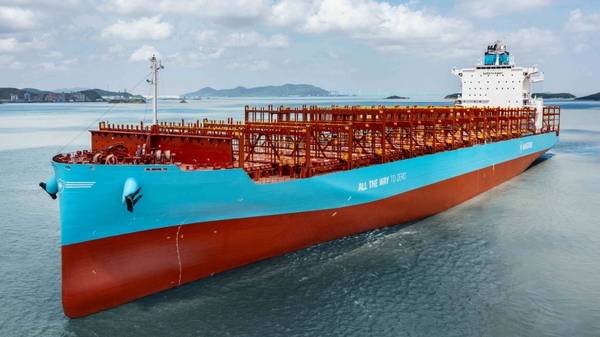
Maersk 5,900-teu vessel. Tsuneishi China delivers third methanol dual-fuel boxship in series  

Zhoushan shipbuilder hands over another 5,900-teu Maersk container vessel.

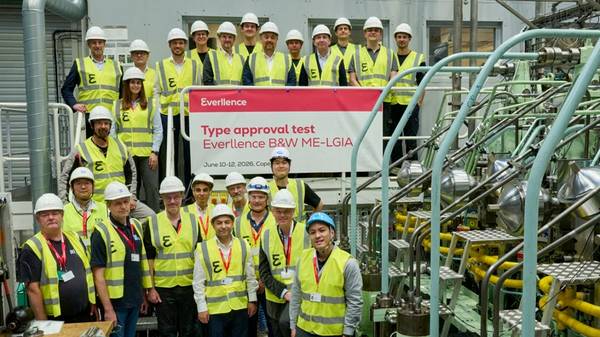
Type approval test (TAT) for ME-LGIA ammonia engine. Everllence completes type approval test for ammonia engine ahead of sea trials  

Eight classification societies oversee testing of ME-LGIA ammonia engine at Copenhagen research centre.

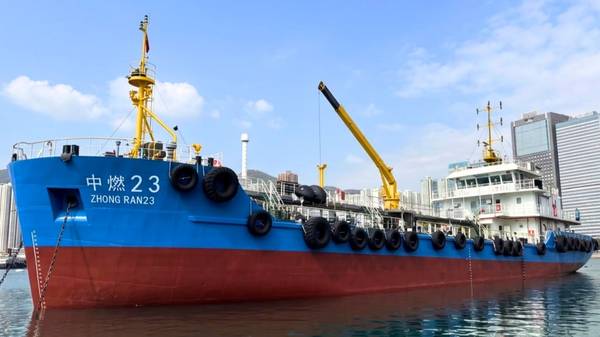
Zhong Ran 23 vessel. CPN bunker barge becomes first vessel listed under Hong Kong’s new quality bunkering scheme  

Zhong Ran 23 achieves listing under the Marine Department’s voluntary mass flow metering initiative.

Peder Moller, Bunker Holding. Bunker Holding posts $73m pre-tax profit amid geopolitical headwinds and board overhaul  

Marine fuels exceeds its own expectations despite 4% revenue decline.

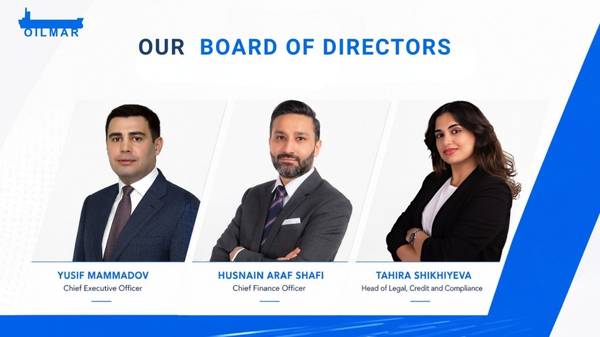
Oilmar Board of Directors graphic. Oilmar formalises governance structure with establishment of board of directors  

Dubai-based marine fuels trader Oilmar appoints three-member board.

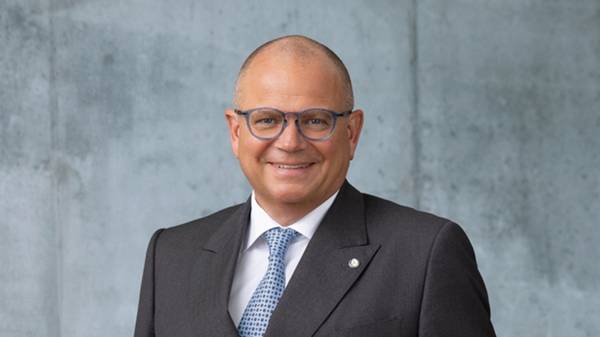
Henrik Andersen, Vestas Wind Systems A/S. Vestas Wind Systems CEO appointed vice chair of Bunker Holding  

Henrik Andersen joins the board of the marine fuels group with more than two decades of international business experience.

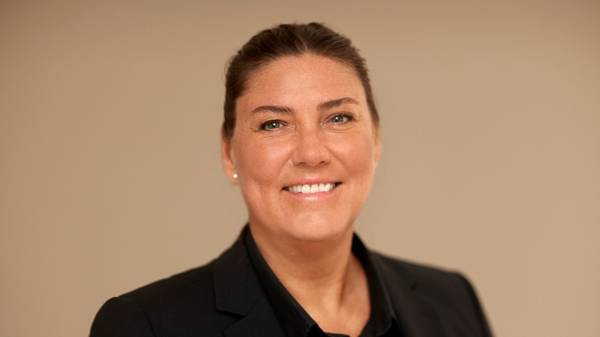
Tina Revsbech, Maersk Tankers. Maersk Tankers CEO Tina Revsbech joins Bunker Holding board  

Danish USTC Group appoints shipping veteran to subsidiary’s board of directors.

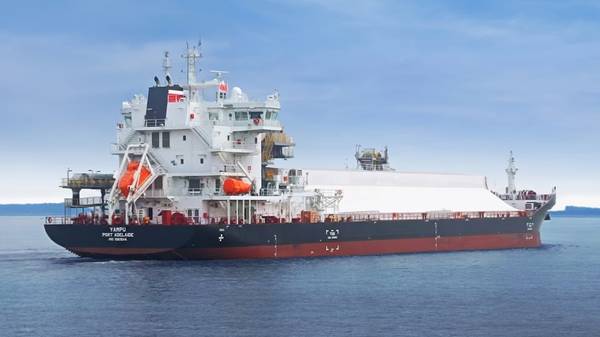
Yampu vessel. CSL delivers world’s first battery-powered self-unloading bulk carrier  

MV Yampu will transport limestone for Adbri in Australia, with full electric operation targeted by 2031.

Illustration of hydrogen fuel cell system. NYK, Yanmar and Eneos to install hydrogen fuel cell system on new Tokyo dining cruise vessel  

Three Japanese companies are collaborating to bring hydrogen propulsion to a dining cruise ship due to enter service in 2027.