

|
Shipping firms struggle to prioritise decarbonisation investments amid regulatory uncertainty, Wärtsilä survey finds
Survey of 225 maritime executives reveals 70% say uncertainty hinders investment decisions despite regulatory pressure. |
|
|
|
||
|
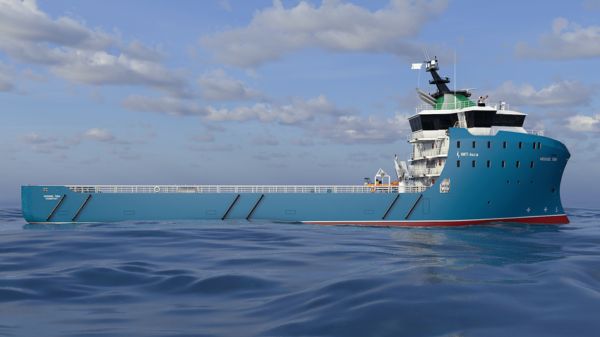
Longitude Engineering unveils IMT Isca G-Flex PSV design with alternative fuel capability
Naval architecture firm launches adaptable platform support vessel design based on the IMT-984 G-Class hull. |
|
|
|
||
|
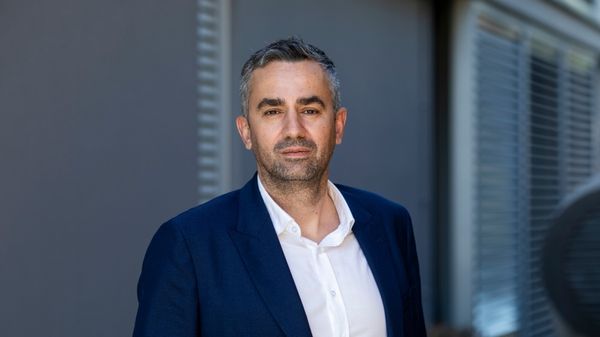
Shore power infrastructure is key to cutting ferry emissions in European cities, says EmissionLink
Port electrification is needed to enable vessels to switch off engines at berth, reducing urban pollution. |
|
|
|
||
|
Singapore prioritises maritime resilience amid geopolitical uncertainty, eyes digitalisation and green fuels
MPA chief outlines the sector’s adaptation to supply chain disruptions while advancing automation and alternative fuels. |
|
|
|
||
|
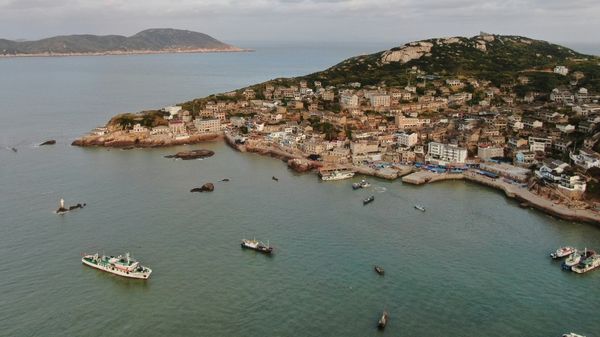
China exports first domestically blended biofuel for marine use from Zhoushan
A vessel carries 2,600 tonnes of biofuel blend to Qingdao Port for international ship refuelling. |
|
|
|
||

|
H2SITE to present ammonia-cracking technology at Green Ammonia Energy Workshop
Spanish company to showcase APOLO project's role in producing hydrogen for maritime decarbonisation. |
|
|
|
||
|
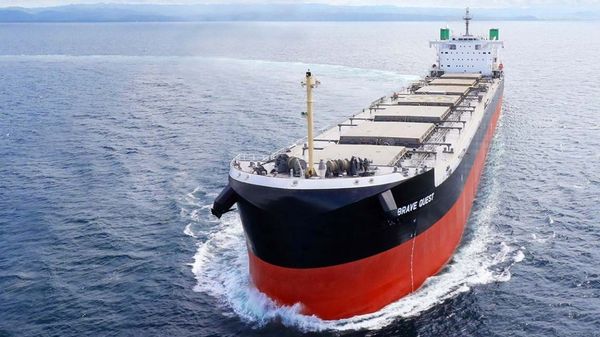
Tsuneishi-Cebu delivers methanol dual-fuel Kamsarmax bulker
Philippine shipyard hands over 81,100-tonne deadweight vessel capable of running on methanol fuel. |
|
|
|
||
|
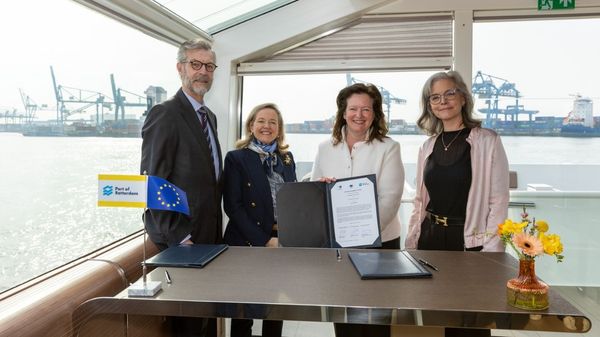
Port of Rotterdam secures EUR90m EIB loan for shore power installations
Financing will support shore power infrastructure at three container terminals, with an EU grant also approved. |
|
|
|
||

|
IBIA updates biofuels training module for 2026
Updated online course covers latest regulatory developments and market trends in liquid and gaseous biofuels. |
|
|
|
||

|
Bureau Veritas to class all-electric trimarans for Brim Explorer
Two zero-emission passenger vessels will operate in Norwegian fjords after extensive Arctic testing. |
|
|
|
||
| CPC orders two bunker delivery barges worth $21.8m [News & Insights] |
| Fuel-efficient ferries for New York's city-wide network [News & Insights] |
| Corsican vessel operator saves fuel with electric propulsion [News & Insights] |
| UK government commits GBP 448m to maritime decarbonisation research programme [News & Insights] |
| Singapore's first fully electric tug completes commissioning ahead of April deployment [News & Insights] |
| Grimaldi's Grande Svezia makes inaugural Le Havre call with ammonia-ready design [News & Insights] |
| French patrol vessel with wind-assisted propulsion enters construction phase [News & Insights] |
| ABB to supply hybrid-electric propulsion for BC Ferries' four new vessels [News & Insights] |

