Wed 28 Sep 2016, 12:33 GMT

Fuel-saving Water Bus to undergo sea trials


Amongst its features, the vessel is said to offer reduced fuel consumption with a slender hull, low resistance and low wake.


Damen is set to launch its first composite Water Bus as the prototype undergoes sea trials over the next few weeks. According to Damen, the vessel offers reduced fuel consumption, less maintenance, and no corrosion or fatigue problems.

Marcel Elenbaas, Damen Design & Proposal Engineer - Fast Ferries, said: "This is a prototype for the first of the new generation Damen Water Bus. We believe in this new composite vessel and the benefits it offers to clients. The Damen Water Bus is the best fit for highly congested urban areas, providing a simple and efficient way of making use of natural waterways, and consequently integrating into the public transport network. Hence the reason we took the decision to invest in developing this new series."

The Damen Water Bus can travel at up to 21 knots, or 40 kilometres per hour, and has the capacity to carry up to 100 passengers. It has a slender hull, less weight than a traditional aluminium vessel, and low resistance - producing only a low wake and ensuring the vessel is fuel efficient, Damen says.

This next-generation Water Bus is described as also being very strong because it is built with high-quality vacuum infusion technology, creating a "difficult to penetrate closed cell, epoxy sandwich structure", according to Elenbaas.

Damen Shipyards Group has a history of producing water taxis, water buses and ferries, mainly built from aluminium and steel, and intended for intensive public transport operations.

This Water Bus is the first vessel for public transportation produced at Damen Shipyards Antalya, which specialises in composite professional workboat series suitable for heavy-duty operations. Typically up to 24 metres, these vessels include interceptors, patrol boats, pilot boats, crew suppliers and now water buses.

Damen Shipyards is also capable of offering the complete infrastructure system for water buses, including jetties and bunkering stations, Damen says.

The first Damen Water Bus is expected to be in the Netherlands before the end of the year; and Damen has another Water Bus hull in stock ready for outfitting.

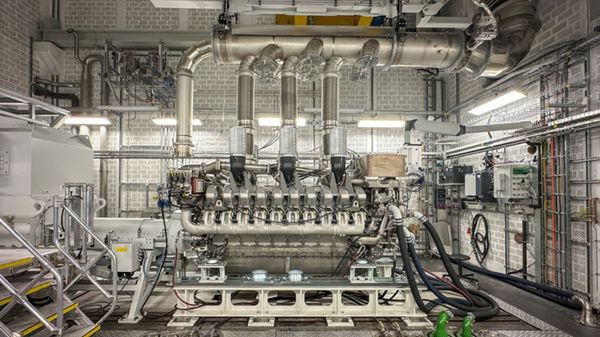
Rolls-Royce mtu engine test bench. Rolls-Royce Power Systems switches German engine test facilities to HVO fuel  

Company saved 3,200 tonnes of CO2 by end of 2025 after switching to renewable diesel.

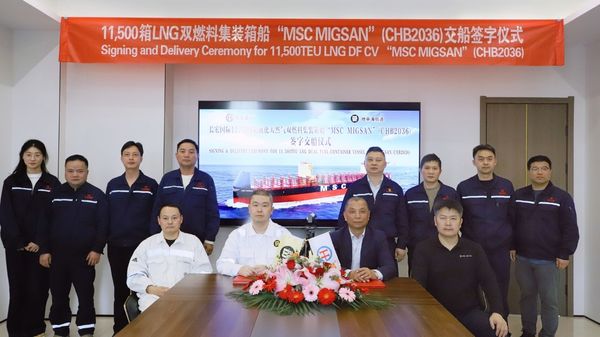
MSC Migsan delivery ceremony. Changhong International delivers final LNG dual-fuel container ship 205 days early  

Chinese shipbuilder completes 10-vessel series for MSC with delivery of 11,500-teu MSC Migsan.

Seoul city skyline. Oilmar seeks senior and mid-level bunker traders in Seoul  

Marine fuel firm aims to recruit experienced traders for South Korean operations.

Morten Thomas Jacobsen, GEA. Global Ethanol Association to present on ethanol marine fuel at London shipping expo  

Morten Thomas Jacobsen will discuss ethanol fuel trials and maritime decarbonisation challenges in June.

Adrian Tolson, IBIA. IBIA warns of structural shift in marine fuel market following Middle East tensions  

Association chair says geopolitical disruptions signal lasting changes to bunker supply dynamics and pricing.

HMM Hamburg vessel. Rotterdam bunker volumes plunge 25% in first quarter amid regulatory shifts  

Fossil fuel sales decline sharply while alternative fuels show modest growth in Dutch port.

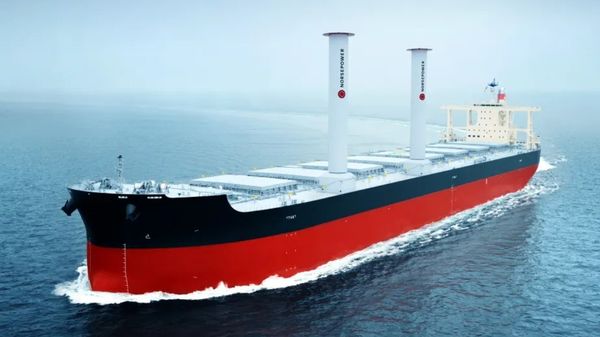
Camellia Dream vessel. Norsepower completes factory tests for 18 rotor sails bound for Airbus fleet  

Wind propulsion units cleared for installation on LD Armateurs vessels targeting 50% emissions reduction.

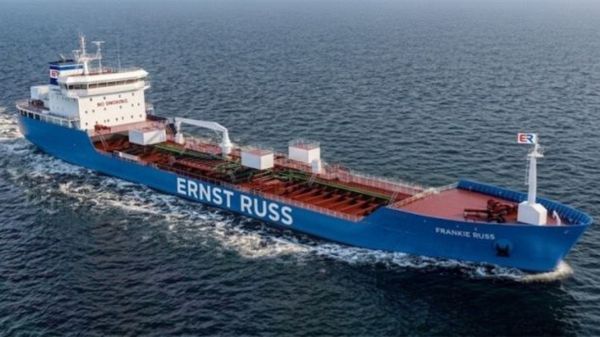
Frankie Russ vessel. Ernst Russ acquires four chemical tankers with five-year charters worth $126m  

Hamburg shipowner enters tanker segment with methanol-ready newbuildings delivering from Q4 2026.

Ammonia fuel system component. Wärtsilä boosts ammonia engine power output to match LNG equivalent  

Finnish technology group raises Wärtsilä 25 Ammonia engine output, enabling simpler vessel designs.

Aerial view of a cruiseship at sea. Fincantieri secures order for three LNG-fuelled cruise ships from Princess Cruises  

Italian shipbuilder to construct vessels at Monfalcone yard, with deliveries scheduled through 2039.