
|
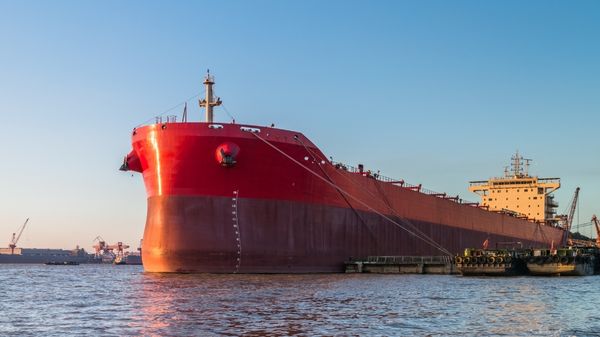
Skuld warns of unusual chemical compounds in Southeast Asian marine fuels
Marine insurer reports fuels meeting ISO 8217 standards but containing high levels of hydrocarbon compounds. |
|
|
|
||
|
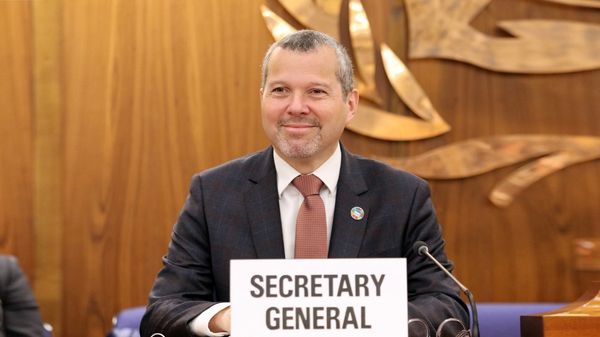
IMO chief urges progress on net-zero framework amid Hormuz crisis
Arsenio Dominguez calls for constructive dialogue as MEPC 84 tackles greenhouse gas measures and ballast water regulations. |
|
|
|
||
|
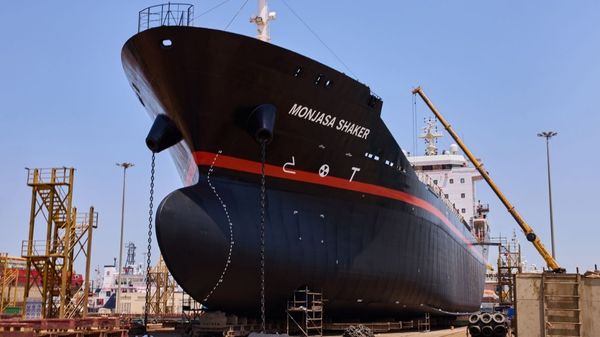
Monjasa reflags UAE-based tankers to Emirates registry
Marine fuels supplier transitions first of three vessels from Liberian to UAE flag. |
|
|
|
||
|
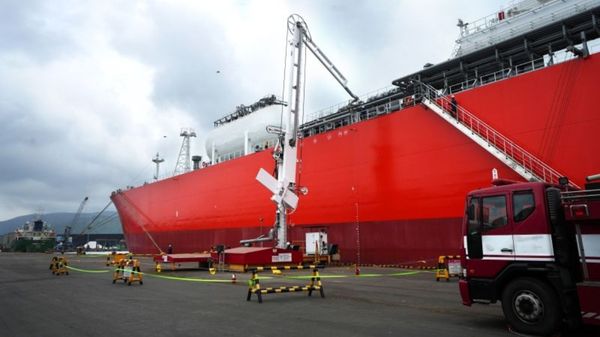
Lotte Fine Chemical completes world’s first commercial ammonia bunkering at Ulsan
South Korean chemical company claims to have established a complete green ammonia value chain. |
|
|
|
||
|
Propeller Fuels seeks bunker trader for London office
Marine fuel supplier advertises for trader to manage procurement, sales and client relationships. |
|
|
|
||
|
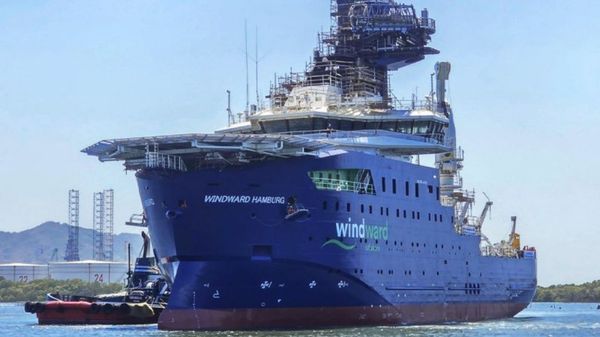
Fincantieri’s VARD launches first of four offshore wind vessels for Windward Offshore
VARD 4 19 design vessel features battery hybrid propulsion and green methanol preparation. |
|
|
|
||
|
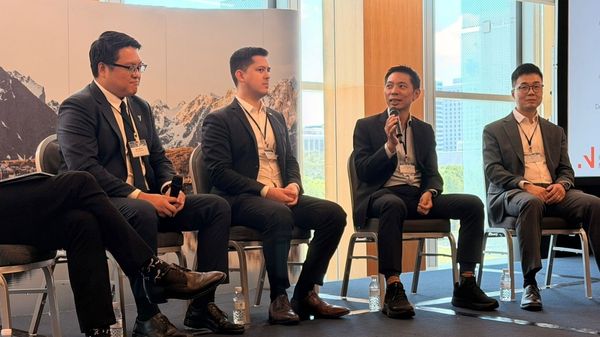
Singapore industry leaders call for regulatory clarity on maritime energy transition
SSA councillors highlight need for government support and clear policies to enable alternative fuel adoption. |
|
|
|
||
|
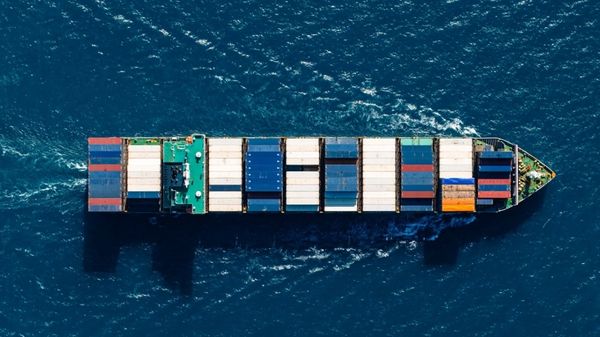
Seaspan and Technolog unveil LNG feeder design with four-week ammonia conversion pathway
Lloyd’s Register grants approval for a 3,370 TEU vessel concept designed for swift transition to zero-carbon fuel. |
|
|
|
||
|
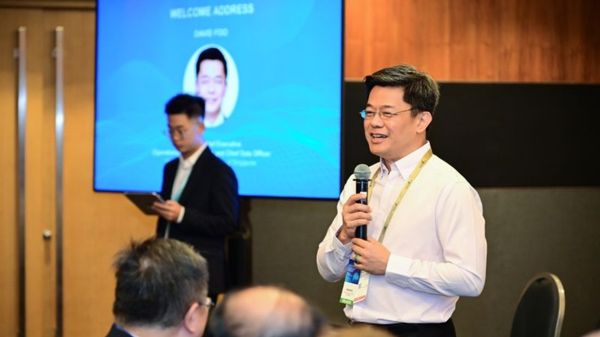
Singapore’s MPA backs LNG as part of multi-fuel strategy for shipping decarbonisation
Authority emphasises regulatory frameworks and workforce development as sector navigates geopolitical uncertainty and energy transition. |
|
|
|
||
|
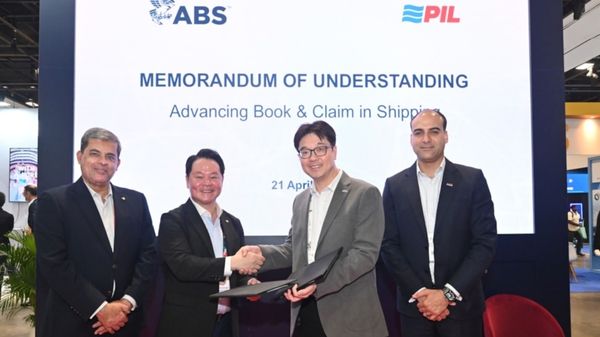
ABS and PIL partner on book-and-claim emissions verification
Classification society to verify fuel consumption and emissions data for shipping line’s alternative fuel claims. |
|
|
|
||
| Results from research vessel running on biofuel for a year [News & Insights] |
| Project to build fuel cell-powered ferry and 'largest' hydrogen refuelling station [News & Insights] |
| 'Fuel Trilemma' paper released [News & Insights] |
| Norwegian Car Carriers' LNG dual-fuel, ammonia-ready PCTC is named [News & Insights] |
| HIF Global signs Uruguay agreement to advance US$5.3bn e-fuels facility in Paysandú [News & Insights] |
| Incat Crowther and Switch Maritime develop 150-passenger hydrogen ferry for New York [News & Insights] |
| Norway enforces zero-emission rules for cruise ships in World Heritage fjords [News & Insights] |
| Schottel supplies propulsion for Mureloil’s hybrid chemical tanker [News & Insights] |

