Fri 12 Dec 2014, 16:05 GMT

LNG bunkering guidelines discussed at IACS meeting


December council meeting was held in London on December 11.


Source: The International Association of Classification Societies (IACS).

IACS council meeting

The International Association of Classification Societies chaired by Philippe Donche-Gay of Bureau Veritas (BV) held its December council meeting yesterday in London.

The flagship Common Structural Rules project for Bulk Carriers and Oil Tankers was discussed and a presentation delivered to industry representatives who attended the closing session. The rules are due to enter into force on 1 July 2015.

The IACS expert group on structural safety of container ships reported on a post 'MOL Comfort' review which it has carried out. This work has resulted in the development of two new IACS unified requirements (URs): UR S11A - which is a longitudinal strength standard for container ships - and URS34, dealing with functional requirements and load cases for direct analysis of container ships. These two URs will be delivered during the first quarter of 2015.

URs are minimum technical requirements adopted by all IACS members that refer to specific class rules requirements. URs are not intended to address all strength aspects of hull structures as that is the function of the class rules of individual members.

Two new IACS initiatives were also discussed: the first one on LNG bunkering guidelines and the second dealing with complex on-board systems.

LNG bunkering guidelines are presently being considered by a number of organisations and the IACS initiative will seek to build on what has already been introduced.

Complex systems is a topic of crucial importance for the industry as on-board systems develop rapidly in complexity. IACS is currently focussing on this subject with the formation of a dedicated expert group.

At the last tripartite meeting (shipowners, shipbuilders and classification societies) in Shanghai in October steps were taken to publicise these items to the industry participants and this continued at the council meeting where plans for future cooperation were discussed with industry representatives.


Dubai skyline. Oilmar seeks senior bunker trader for Dubai office  

Experienced trader with proven P&L responsibility sought by UAE-headquartered firm.

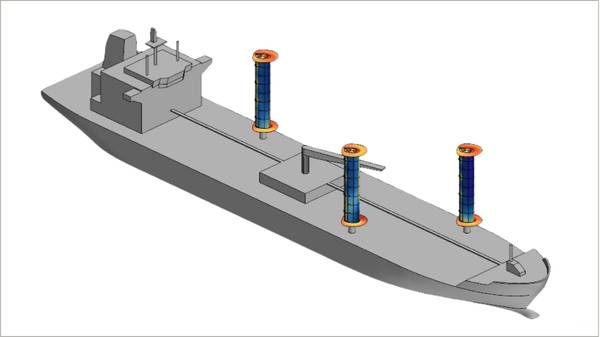
CFD simulation of vessel with three eSAILs. ABS reviews bound4blue’s Pwind calculation methodology for eSAIL wind propulsion systems  

Independent review aims to ease regulatory compliance and accelerate adoption of suction sail technology.

Port of Rotterdam aerial view. Port of Rotterdam appoints new programme manager for bunkering  

Astrid Sonnevelt has a background in renewable products, business development and emissions reduction.

Merlion statue in Singapore. Oilmar seeks bunker trader for Singapore office  

Marine fuels trading role open to mid-level and senior-level candidates.

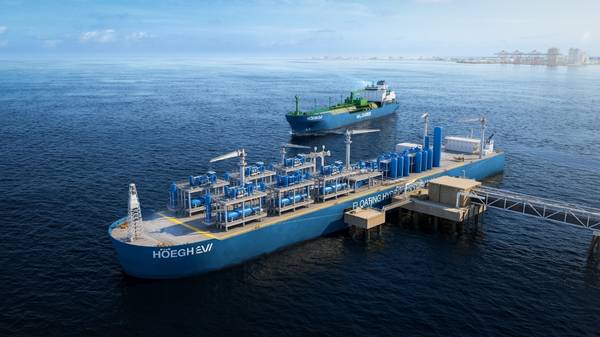
Floating hydrogen terminal render. Höegh Evi and Nord Gas Solutions complete ammonia-to-hydrogen cracking tests in Norway  

Pilot cracker achieves 99.5% hydrogen purity, supporting floating terminal deployment plans across Europe.

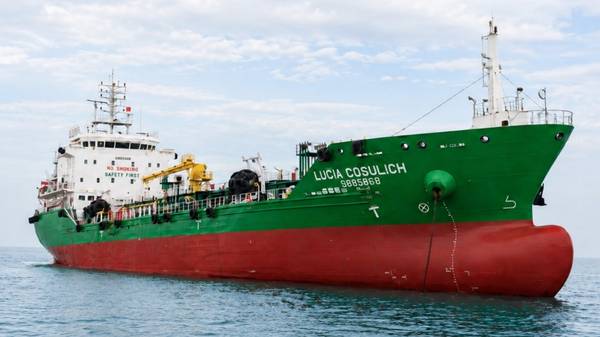
Lucia Cosulich vessel. Fratelli Cosulich Marine Energy takes delivery of second methanol-ready bunker tanker  

Lucia Cosulich is second of four sister vessels in the group’s fleet expansion programme.

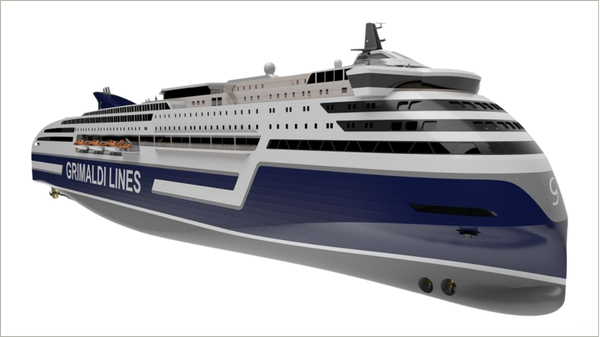
Grimaldi ro-ro passenger vessel render. AYK Energy secures nine-vessel battery deal with Grimaldi Group  

New ro-pax vessels will feature multi-fuel engines capable of running on methanol.

World Fuel logo. World Fuel hiring Korean-speaking bunker trader for Singapore hub  

Bunker trader sought to cover Korea and the wider region.

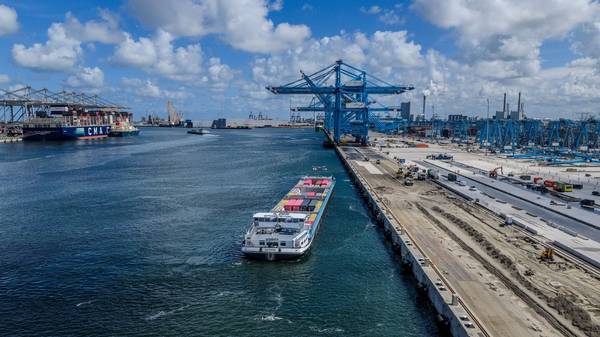
Aerial view of a container vessel. EU ETS 2026 review raises cost predictability concerns for European shippers  

European Shippers' Council warns that carbon market reforms could affect logistics planning and competitiveness.

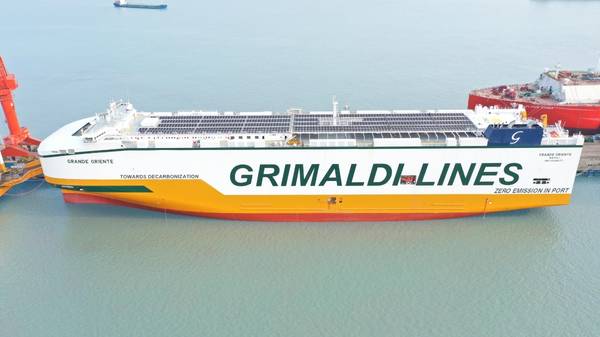
Grande Oriente vessel. Grimaldi takes delivery of 12th ammonia-ready car carrier Grande Oriente  

Naples-based firm says its latest PCTC halves fuel consumption compared with earlier-generation vessels.