Wed 27 Mar 2013, 14:31 GMT

Early ECDIS adoption can offer savings


Owners that adopt ECDIS early can benefit from increased safety and lower costs, says manufacturer.


In the depths of a longer-than-expected shipping market downturn and with many shipowners struggling with cash flow, Martek Marine, leading manufacturer of maritime safety equipment, believes that its comprehensive leasing package offers the best option for shipowners to adopt ECDIS (Electronic Chart Display and Information System) early and benefit from increased safety and lower cost.

ECDIS is a computer-based navigation information system that complies with International Maritime Organization (IMO) regulations. It is an approved marine navigational chart and information system, which is accepted as complying with the conventional paper charts required by Regulation V/19 of the 1974 IMO SOLAS Convention.

Rock-bottom freight rates, ever-rising operational costs and looming regulation requiring significant investment in a range of new equipment mean that many owners may be tempted to wait until the deadline to implement ECDIS. However, Martek believes that this is a wasted opportunity for shipowners.

ECDIS product specialist Bentley Strafford-Stephenson said: "DNV research has shown that deploying ECDIS may reduce grounding frequency by at least 30%. Grounding is the third most frequent accident involving ships larger than 100GT and the fourth highest contributor to marine fatalities at 12%. Offering a leasing option is crucial to give shipowners the opportunity to increase safety and limit risk immediately. Early adopters also benefit from crew having longer to become accustomed to using ECDIS, allowing them to become competent and confident without the pressure of IMO's deadline.”

Martek also points out that early ECDIS adoption can offer savings in time and cost over paper charts, eliminating the logistical challenge of having paper charts delivered to ships and the time required to manually update them. Furthermore, route planning using current weather and tidal data can cut transit times and save fuel.

"Shipowners who lease, rather than buy, benefit from their ships always having the most advanced ECDIS systems as the difference between a two and five year old system can be significant due to technological developments," Martek said.

Martek’s own iECDIS, which will be launched mid-2013, is powered by Jeppesen and provides solutions to three problems that it believes other systems have ignored; a leasing option to help with implementation costs; a cutting edge design and interface that mariners actually want to use; and an end to logistical difficulties with a complete, bespoke package of ECDIS products and services, including consultation, installation, training, charts, and after sale support.

Strafford-Stephenson believes that Martek’s leasing model is just one of the elements required to increase early adoption of the system by shipowners: "Providing charts and training as part of a comprehensive ECDIS package eases many of the logistical difficulties around implementation and means all support comes from one supplier, while offering units with a leasing option removes high upfront costs at a time when many companies are struggling with cash flow. Committed use of ECDIS can improve safety, increase efficiency and reduce collisions, and manufacturers should be doing everything they can to make implementation easier for shipowners."


VPS logo. NE Atlantic ECA will cause significant change to the current fuel mix | Steve Bee, VPS  

The possibility of off-spec issues highlights the continuing need for proactive fuel testing to protect vessels.

Kris Vedat, SmartSea. Smart ships failing to convert data into actionable intelligence, warns SmartSea  

Maritime technology firm claims vessels collect vast amounts of data but lack integration to support decision-making.

Energy Transition Outlook 2026 Hydrogen To 2060 report cover. DNV forecasts 100-fold growth in clean hydrogen by 2060, with China leading expansion  

Classification society projects $3.2tn investment in hydrogen sector, with maritime accounting for 15% of clean hydrogen use.

World Shipping Council logo. Dual-fuel container ship and vehicle carrier fleet surpasses 1,200 vessels  

World Shipping Council reports 65% year-on-year increase in operational dual-fuel vessels to 440 ships.

Sotiris Raptis, ECSA. European Shipowners calls for ETS revenue investment and fuel supplier mandate  

ECSA urges the EU to invest €9bn in annual ETS revenues in fuel production and infrastructure.

Sheen Mao Choong, SSA. Singapore bunker industry urged to prioritise resilience and collaboration  

SSA committee vice chair highlights energy security and crisis readiness at Marine Fuels Forum 2026.

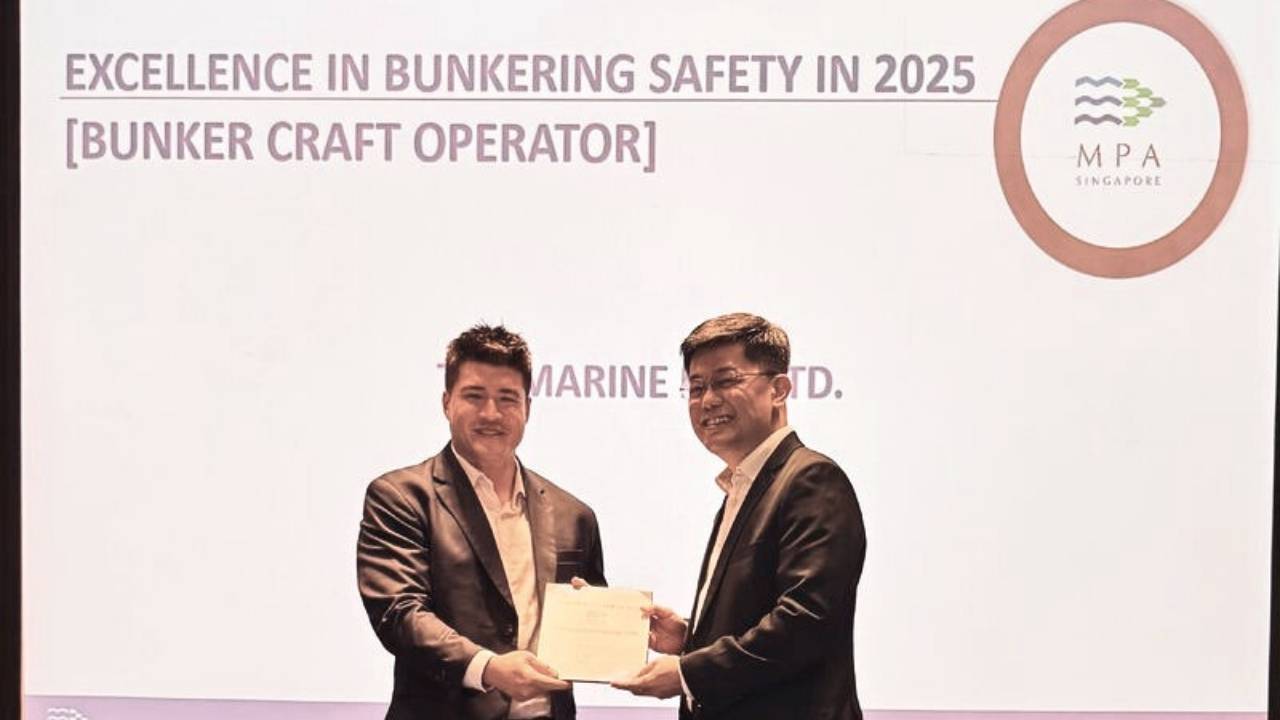
Chia How Khee, TFG Marine and David Foo, MPA. TFG Marine receives bunker safety award from Singapore maritime authority  

Marine fuel supplier recognised for safety standards and operational performance at MPA Marine Fuel Forum.

Rotterdam skyline at night. Bunker surveyor sought in Rotterdam to meet increased demand  

Dutch firm MCE Marine Surveyors is recruiting for a quantitative fuel inspection role.

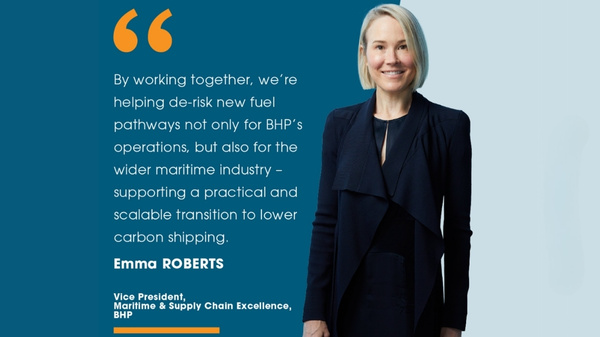
Emma Roberts, BHP. GCMD highlights BHP biofuel trials to address scaling challenges in maritime decarbonisation  

Mining company discusses need for traceability and coordinated progress across supply, cost and operational readiness.

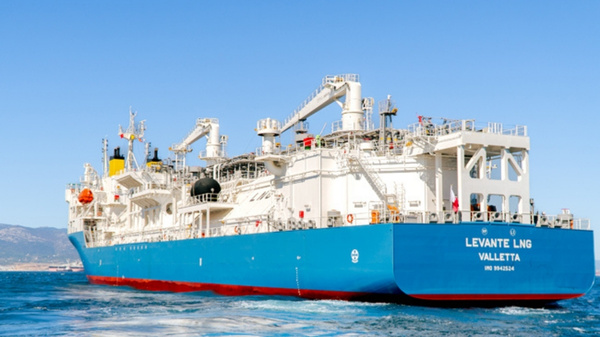
Levante LNG vessel. Peninsula implements energy efficiency measures across bunker supply fleet  

Marine fuel supplier focusing on data-driven upgrades and operational measures to cut consumption.