Tue 26 Mar 2013, 13:28 GMT

Decline in LNG freight market 'likely'


Additional production required to keep unchartered vessels employed is 'not on the cards', says research firm.


Source: Drewry Maritime Research

Drewry's latest LNG Insight saw heating demand subside in major importing regions in February. Cargo availability also tightened because of a few unplanned shutdowns, leading to a 4% decline in the LNG Freight Index.

LNG shipping enjoyed a dream run during 2011 and 2012, owing largely to increasing tonne-mile demand and an almost stagnant fleet. Freight market prospects would be even brighter if fleet supply were to remain at current levels, but this will not be possible as 81 more vessels could join the fleet during 2013-15, while only 10 vessels could be considered as demolition candidates. The fleet could grow to 430 vessels (accounting for projected demolitions) by the end of 2015, representing a rise of 20% from current levels.

The orderbook-to-fleet ratio was 30% at the end of February, while it was just over 8% at the end of 2010. In 26 months, fresh orders for 89 vessels aggregating 14.5 million cbm were placed.

Based on liquefaction capacity addition plans in Australia and the US, the LNG shipping industry could need many more vessels in the latter half of the decade than are currently on order. A few positive developments in Africa also indicate that LNG production could rise significantly if everything goes as planned.

However, the major concern for shipowners is that not much liquefaction capacity will be added during 2013-15, when most of the new vessels are delivered. Reports of a possible re-start of Japanese nuclear facilities could also return the market to the times when vessels waited for months waiting for employment or for commissioning of the project with which they were ordered.

Japan was the single largest factor driving the market in 2012, and the trend is expected to continue in 2013, as re-starting all of the nuclear facilities cannot be a hurried process. Still, the medium-term outlook for unchartered vessels does not appear bright as about 40 million tonnes per annum of additional production would be required to keep these vessels employed. Unfortunately, this is not on the cards, so the short-term and spot freight markets are likely to start falling soon.

The Drewry LNG Freight Index is freight rate assessments based on actual deals and market reports for a conventional LNG carrier of 160,000-173,000 cbm and less than five years of age. Hire period for long-term freight rate assessments are for charter durations of 15 years or more, while short-term freight rate assessments are based on charter duration of one to three years. Base year for the Index is January 2005.


Decab Hub and MMMCZCS logos. Lloyd’s Register and Maersk Mc-Kinney Møller Center launch ammonia safety and training resources for shipping  

New tools aim to help operators build the safety management and competency frameworks needed for ammonia-fuelled vessels.

Kevin Dohmen, IBT Bunkering & Trading. IBT Bunkering & Trading appoints Kevin Döhmen to manage new Singapore office  

Döhmen tasked with developing IBT’s operation in the Asian city-state.

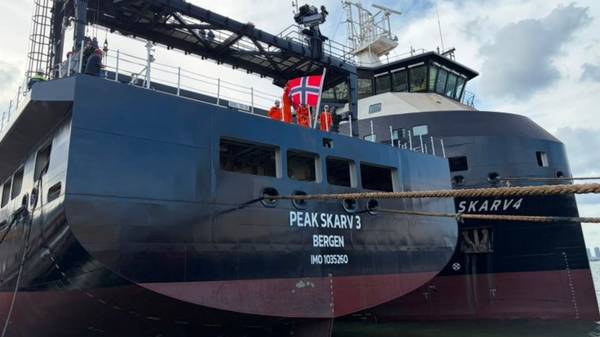
Peak Skarv 3 vessel. Peak takes delivery of third S-class vessel and cuts steel for ammonia-fuelled ship  

Norwegian operator marks two events at Chinese yard as ammonia-powered newbuild programme advances.

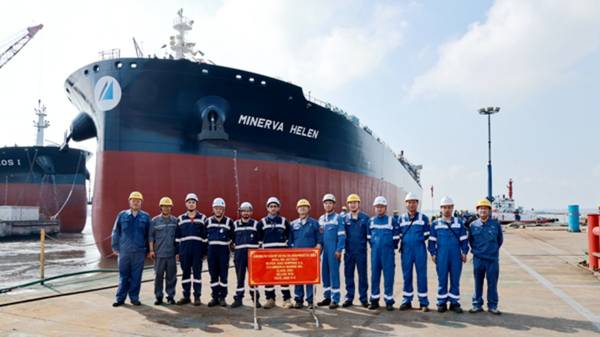
Launching ceremony of Minerva Helen. New Times Shipbuilding launches LNG dual-fuel tanker for Minerva  

112,500-dwt Minerva Helen launched at shipyard in Jiangsu, China.

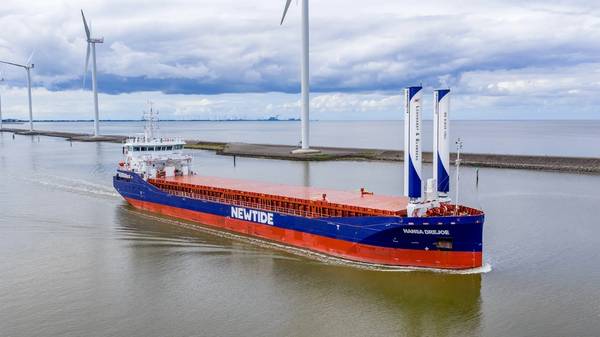
Hansa Drejoe vessel. Leonhardt & Blumberg equips first of four newbuilds with Econowind VentoFoils  

German shipowner installs wind-assisted propulsion technology aboard general cargo vessel Hansa Drejoe.

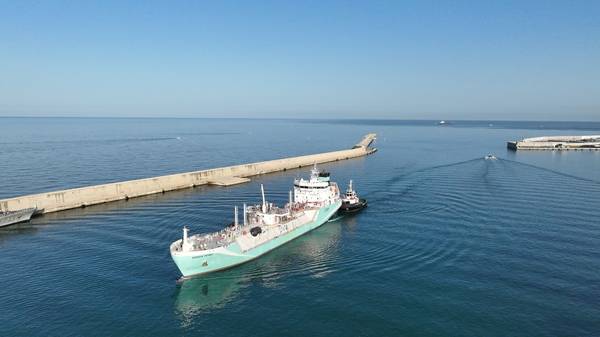
Green Pearl vessel at Port of Civitavecchia. Axpo and Vitol launch LNG bunkering at the Port of Civitavecchia  

Operation marks the extension of Axpo’s LNG bunkering network to third major Italian port.

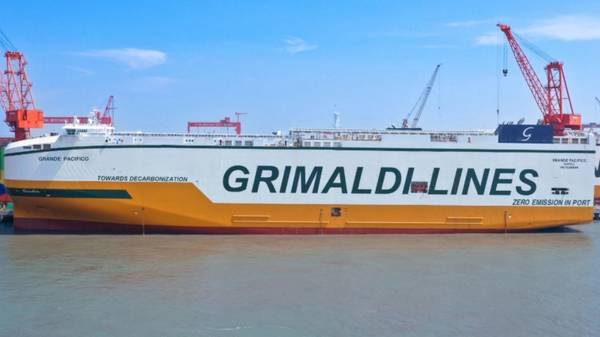
Grande Pacifico vessel. Grimaldi takes delivery of ammonia-ready Grande Pacifico  

9,800-ceu ship is the largest PCTC in the Neapolitan Group’s fleet and the first of five sister vessels on order.

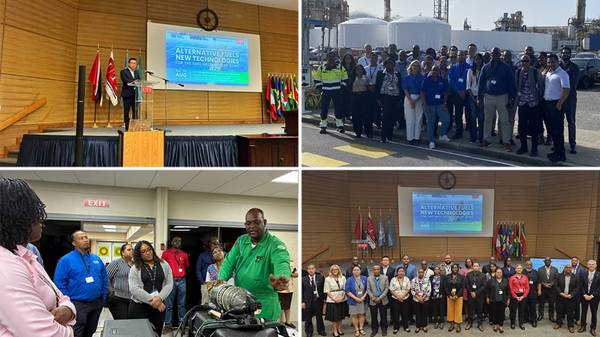
Regional seminar on alternative fuels and new technologies. IMO seminar in Trinidad and Tobago trains Caribbean maritime educators for the alternative fuels era  

A five-day regional seminar in Port of Spain addressed ammonia, methanol and hydrogen training for seafarers.

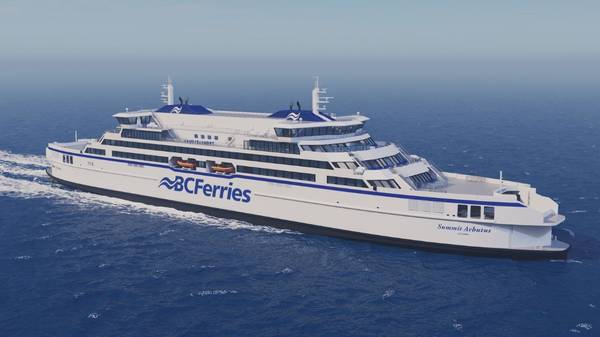
Summit Arbutus vessel. Corvus Energy wins 40 MWh battery contract for BC Ferries’ new biofuel-compatible Summit Class vessels  

Norwegian battery supplier to power four new hybrid-electric ferries for Canada’s BC Ferries.

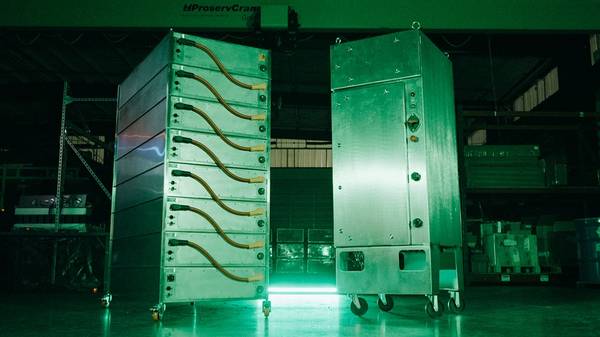
Fleetzero Leviathan Battery Energy Storage System (BESS). ABS issues product design assessment for Fleetzero’s Leviathan battery system  

The first US-manufactured lithium iron phosphate marine battery system receives classification society approval.