Thu 10 Jan 2013, 07:45 GMT

Tesoro to convert Hawaii refinery to terminal


Bunker-producing facility to be converted to an import, storage and distribution terminal.


Tesoro Corporation has announced that it will cease refining operations at its Kapolei refinery in Hawaii by April of this year, and begin the process of converting the refinery to an import, storage and distribution terminal of oil products.

In a statement, Tesoro said: "Tesoro Hawaii is committed to maintaining its focus on safe and environmentally sound operations during the shutdown and conversion process.

"Tesoro Hawaii will maintain the existing distribution system to support marketing operations and fulfill its supply commitments while continuing to offer the terminal, distribution and retail assets for sale."

Upon conversion of the refinery to an import, storage and distribution terminal, Tesoro Hawaii said it believes third party utilization of the terminal and associated logistics will facilitate ongoing supplies of refined products in Hawaii.

Tesoro is the leading supplier of transportation fuels in Hawaii and plays a key role in the distribution of both marine and aviation fuels.

The Kapolei refinery can process up to 94,000 barrels per day of crude oil to make bunker fuel, jet fuel, asphalt, gasoline, diesel and fuel oil for electrical generation.

Tesoro Hawaii distributes refined products statewide. On Oahu - the third largest of the Hawaiian Islands - pipelines from the Kapolei refinery feed terminals at Honolulu Harbor, Honolulu International Airport and military installations. Pipelines also deliver products to Kalaeloa Barbers Point Harbor, where they are transferred to ships and barges that supply the Neighbor Islands. Gasoline and diesel are sold through a network of Tesoro-branded retail stations on Oahu, Maui and the Big Island, and through distributors.

Tesoro said it expects to report one-time charges in the fourth quarter 2012 related to the conversion of the refinery to a terminal, including charges for asset impairment and asset retirement obligations. The one-time charges are estimated to be $1.00 - $1.10 per share.

The company also expects to realize between $300 million and $350 million in cash by the end of 2013, driven by a reduction in working capital needs as a result of this conversion.


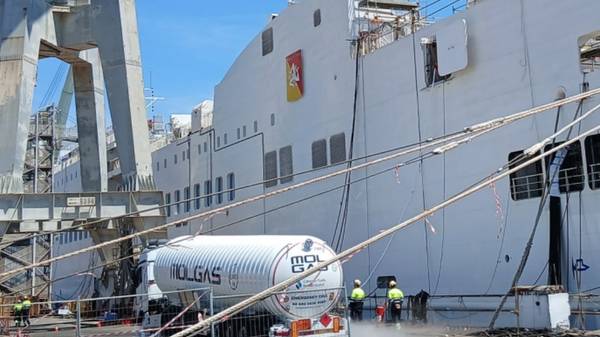
Truck-to-ship (TTS) LNG bunkering at Port of Palermo. Molgas completes first LNG bunkering operation at Palermo  

Spanish energy firm carries out maiden LNG delivery at Sicilian port.

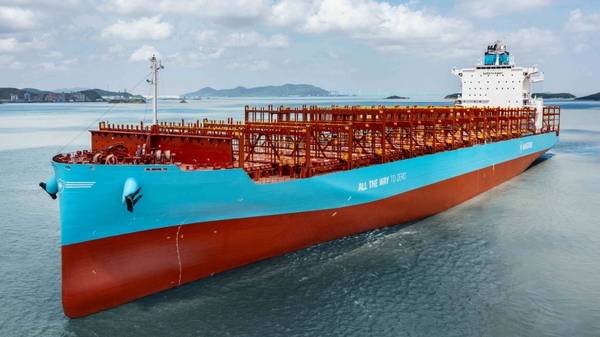
Maersk 5,900-teu vessel. Tsuneishi China delivers third methanol dual-fuel boxship in series  

Zhoushan shipbuilder hands over another 5,900-teu Maersk container vessel.

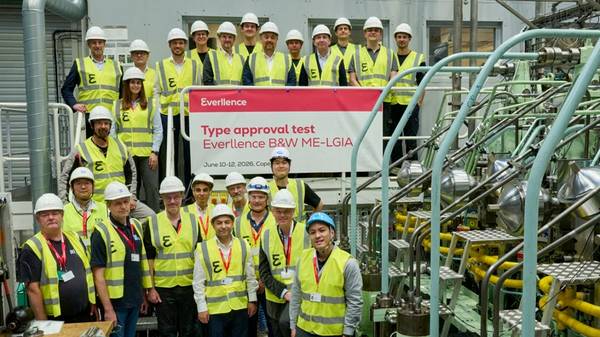
Type approval test (TAT) for ME-LGIA ammonia engine. Everllence completes type approval test for ammonia engine ahead of sea trials  

Eight classification societies oversee testing of ME-LGIA ammonia engine at Copenhagen research centre.

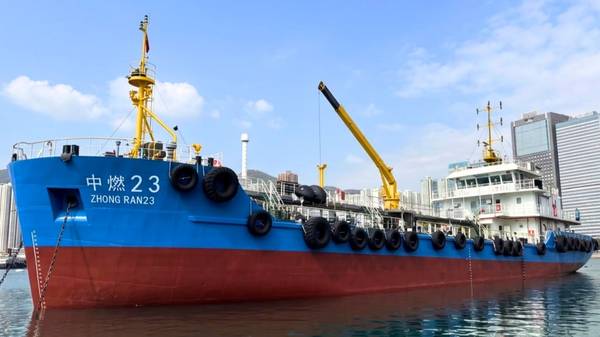
Zhong Ran 23 vessel. CPN bunker barge becomes first vessel listed under Hong Kong’s new quality bunkering scheme  

Zhong Ran 23 achieves listing under the Marine Department’s voluntary mass flow metering initiative.

Peder Moller, Bunker Holding. Bunker Holding posts $73m pre-tax profit amid geopolitical headwinds and board overhaul  

Marine fuels exceeds its own expectations despite 4% revenue decline.

Oilmar Board of Directors graphic. Oilmar formalises governance structure with establishment of board of directors  

Dubai-based marine fuels trader Oilmar appoints three-member board.

Henrik Andersen, Vestas Wind Systems A/S. Vestas Wind Systems CEO appointed vice chair of Bunker Holding  

Henrik Andersen joins the board of the marine fuels group with more than two decades of international business experience.

Tina Revsbech, Maersk Tankers. Maersk Tankers CEO Tina Revsbech joins Bunker Holding board  

Danish USTC Group appoints shipping veteran to subsidiary’s board of directors.

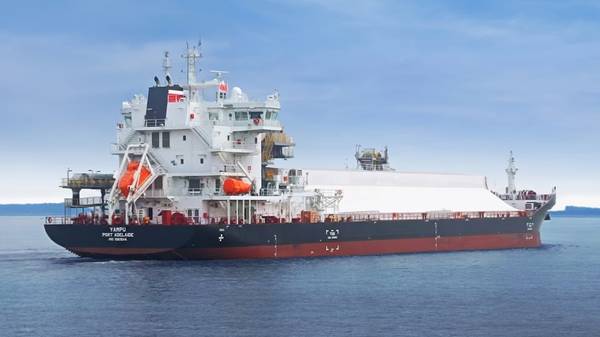
Yampu vessel. CSL delivers world’s first battery-powered self-unloading bulk carrier  

MV Yampu will transport limestone for Adbri in Australia, with full electric operation targeted by 2031.

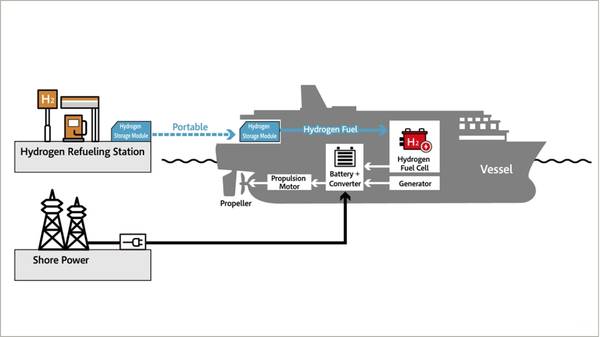
Illustration of hydrogen fuel cell system. NYK, Yanmar and Eneos to install hydrogen fuel cell system on new Tokyo dining cruise vessel  

Three Japanese companies are collaborating to bring hydrogen propulsion to a dining cruise ship due to enter service in 2027.