
 |
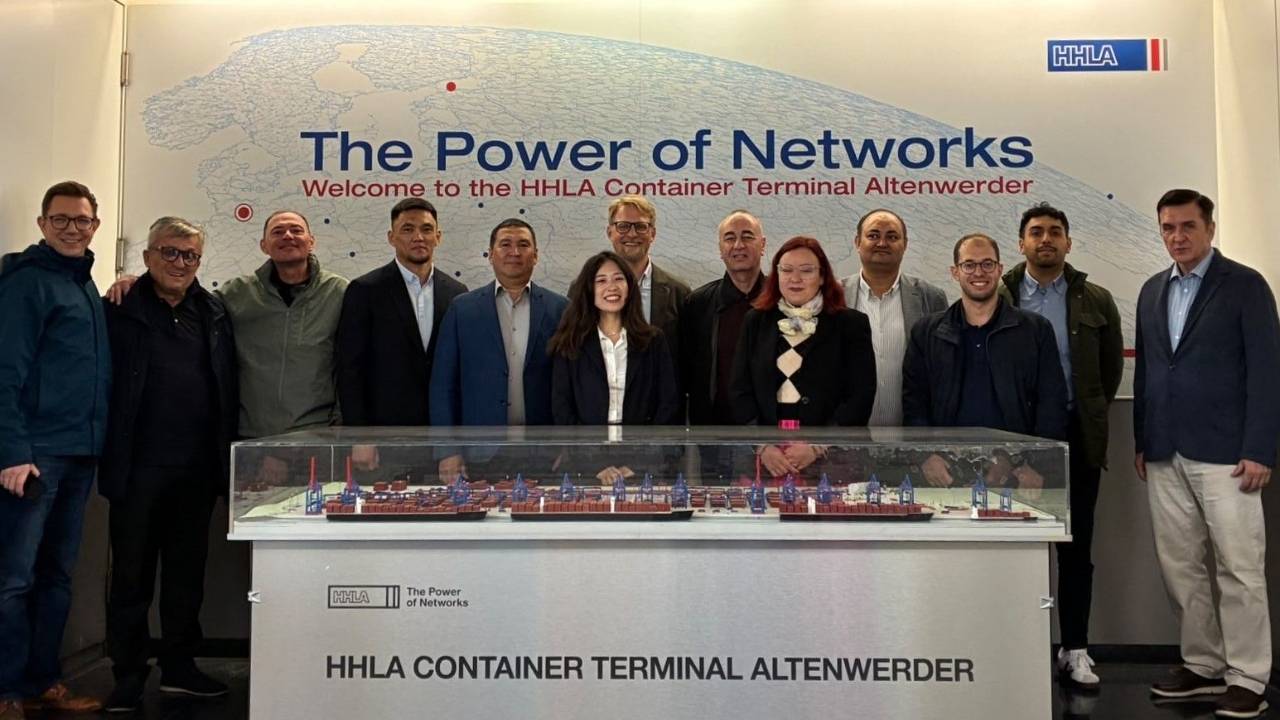
Representatives from Batumi Sea Port LLC (BSP) took part in a study visit to Hamburg, Germany, from 20–24 September 2026 to examine sustainable port development practices as part of ongoing efforts to reduce emissions and improve energy efficiency.
The visit was organised under the OSCE project 'Promoting Green Ports and Connectivity in the Caspian Sea Region — Phase III', with participation from RINA Consulting and HPC Hamburg Port Consulting. BSP was represented by Z. Varshalomidze, head of the ecology and health department, and A. Danilov, head of the integrated management system and standardisation department. The delegation also included representatives from the ports of Turkmenbashi in Turkmenistan and Aktau and Kuryk in Kazakhstan.
During the visit, participants studied international methodologies for greenhouse gas accounting across Scope 1, Scope 2 and Scope 3 emissions, alongside approaches to improving energy efficiency and decarbonising port operations, according to BSP.
The delegation was shown the onshore power supply system for vessels at the Burchardkai terminal, hydrogen technology applications at the Hydrogen Test Field at the Tollerort terminal, and the operational concept behind the automated Altenwerder terminal. Participants were also introduced to solutions using the internet of things and artificial intelligence to manage energy consumption and environmental performance.
BSP said the knowledge and experience gained during the trip will feed into its work to improve its environmental management system, reduce emissions and increase energy efficiency. The port is also preparing for its EcoPorts/PERS recertification audit, scheduled for October 2026.
The visit forms part of wider activities under Phase III of the OSCE project. An international team of OSCE experts is due to conduct a working visit to Batumi Sea Port in 2027, during which specialists will review the port’s ecosystem, operational processes and level of digitalisation, including the implementation of a terminal operating system. According to BSP, this review is intended to help identify priority areas for further targeted support from the OSCE.

|
Flex Commodities appoints Christos Doulaveris as general manager for Greece
Bunker trader strengthens its Greek operations with a new leadership appointment. |
|
|
|
||
|
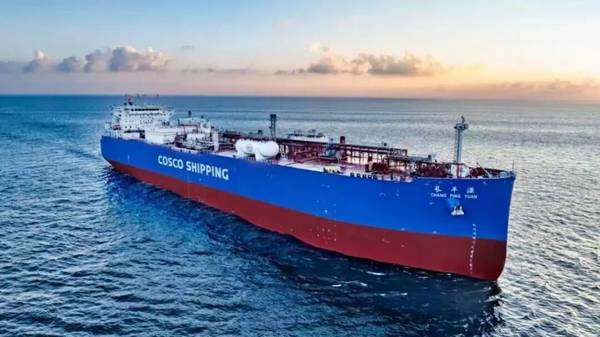
China delivers first domestically built VLGC under Chinese flag
Cosco Shipping’s new 88,000-cbm gas carrier features an LPG dual-fuel main engine. |
|
|
|
||
|
Electric and hybrid ferries could cut Sea of Marmara emissions by 63%, IMO study finds
A GreenVoyage2050 study finds that electrification could slash emissions, avoid €492 million in damage costs and support jobs. |
|
|
|
||
|
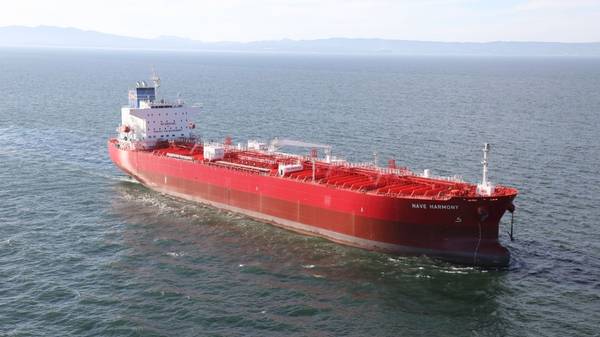
Navios Partners takes delivery of methanol-ready MR2 tanker Nave Harmony
Shipowner adds 49,998-DWT newbuild product tanker equipped with methanol-ready technology. |
|
|
|
||
|
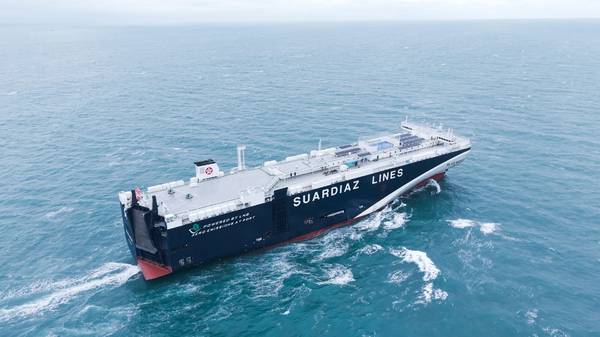
Eastern Pacific Shipping delivers LNG dual-fuel PCTC to Suardiaz
RS Atlantico is the first mid-sized 5,500-CEU car carrier built through the EPS–Suardiaz partnership. |
|
|
|
||
|
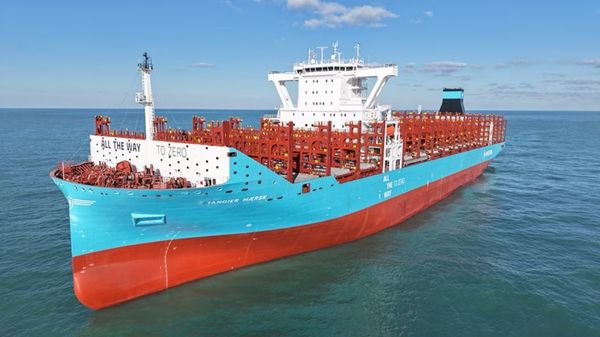
Maersk completes first US ethanol bunkering of a deep-sea container ship
Shipper tests US-produced corn ethanol as a marine fuel aboard the Tangier Maersk. |
|
|
|
||
|
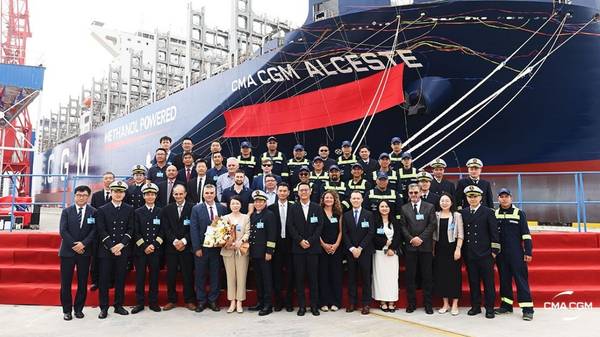
CMA CGM names methanol-powered vessel after Molière’s Alceste
Ship features a MAN B&W 8G85ME two-stroke engine configured to run on conventional marine fuel and methanol. |
|
|
|
||
|
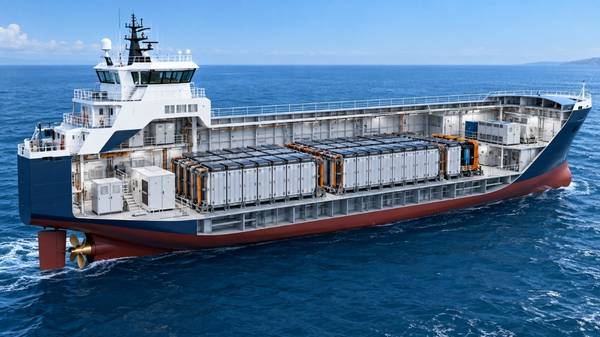
Why batteries still cannot power ships across oceans
Battery-electric ships dominate short-sea routes, but energy-density and infrastructure constraints keep deep-sea propulsion out of reach. |
|
|
|
||

|
VPS to run marine fuel management course in Singapore
Two-day programme in November covers fuel handling, testing and decarbonisation rules, including a laboratory tour. |
|
|
|
||

|
Petrobras launches HSFO bunker sales in Rio de Janeiro
Brazilian supplier begins prompt HSFO deliveries in Rio, pricing the fuel more than $80 per tonne below VLSFO. |
|
|
|
||
| Electric and hybrid ferries could cut Sea of Marmara emissions by 63%, IMO study finds [News & Insights] |
| Electric and hybrid ferries could cut Sea of Marmara emissions by 63%, IMO study finds [News & Insights] |
| Lloyd’s Register study backs 200,000-cbm LNG carriers for fleet renewal [News & Insights] |
| Portsmouth port publishes white paper on UK’s first multi-berth shore power system [News & Insights] |
| SGMF publishes first ISO-compliant life cycle assessment of methanol as a marine fuel [News & Insights] |
