
 |
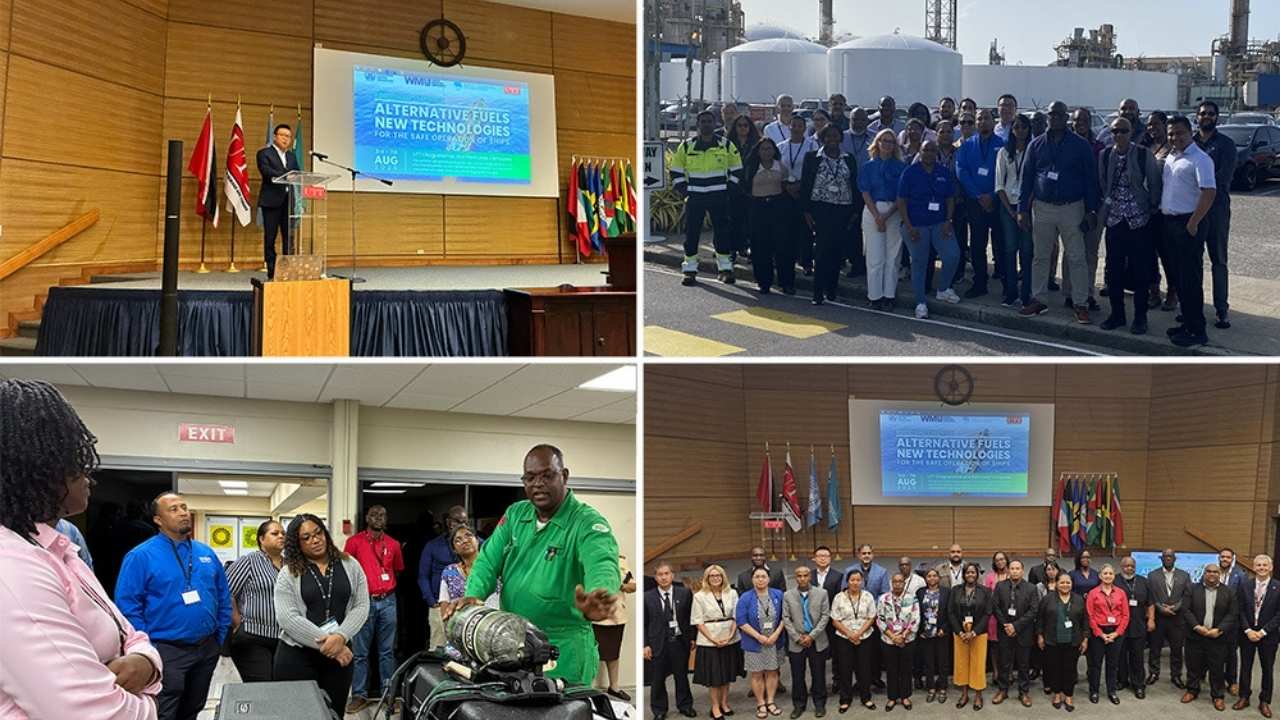
Policymakers, maritime educators, trainers and industry stakeholders from across the Caribbean and beyond gathered in Port of Spain, Trinidad and Tobago, from 3-7 August, for a regional seminar focused on preparing seafarers for the safe operation of ships using alternative fuels and new technologies.
The seminar was hosted by MTCC Caribbean at the University of Trinidad and Tobago (UTT) and formed part of the International Maritime Organization’s (IMO) coordinated efforts to support member states in strengthening maritime training capacity as the shipping industry transitions away from conventional fuels. The event was funded by IMO under its project on the training of seafarers for ships using alternative fuels and new technologies, which is being implemented in partnership with the World Maritime University (WMU).
Over five days, participants took part in technical sessions, interactive workshops, scenario-based exercises and practical demonstrations. The programme covered the safety, technical and operational characteristics of ammonia, methanol and hydrogen, including their properties, hazards, handling, bunkering procedures and emergency response protocols.
A central aim of the seminar was to equip maritime educators and trainers with the tools to translate regulatory and technical developments into competency-based training programmes. Participants engaged in practical exercises and micro-teaching sessions designed to develop their ability to deliver training for both seafarers and shore-based personnel.
The event also drew a direct connection between recent regulatory changes and practical training needs. In May 2026, IMO’s Maritime Safety Committee (MSC 111) approved Interim Guidelines on training for seafarers on ships using methyl/ethyl alcohol as fuel (STCW.7/Circ.26) and Interim Guidelines on training for seafarers on ships using ammonia as fuel (STCW.7/Circ.27).
Participants gained hands-on exposure through industry visits. At the Yara TRINGEN complex in Savonetta, Point Lisas — a facility that includes ammonia production plants, storage facilities and port infrastructure — Yara’s ammonia specialists provided safety demonstrations and practical training, covering the use of personal protective equipment (PPE) and ammonia-related emergency procedures.
The seminar also drew on the expertise of petrochemical company Proman, whose representatives shared perspectives on the production and use of methanol as a marine fuel, including experiences from their ongoing collaboration with UTT cadets, who have had the opportunity to gain practical experience aboard Proman’s methanol-fuelled vessels.
|
WinGD signs global service agreement for TMS Cardiff Gas LNG carrier newbuilds
WinGD will support six dual-fuel engines on three new LNG carriers for the Athens-based operator throughout their operational lives. |
|
|
|
||
|
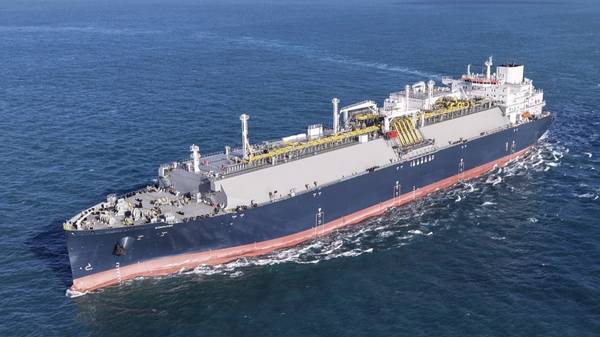
Yangzijiang Xinfu delivers first 175,000-cbm LNG carrier built by Chinese private shipyard
Vessel features two dual-fuel MAN B&W 5G70ME-C10.5-GA-EGR engines fitted with cryogenic units. |
|
|
|
||
|
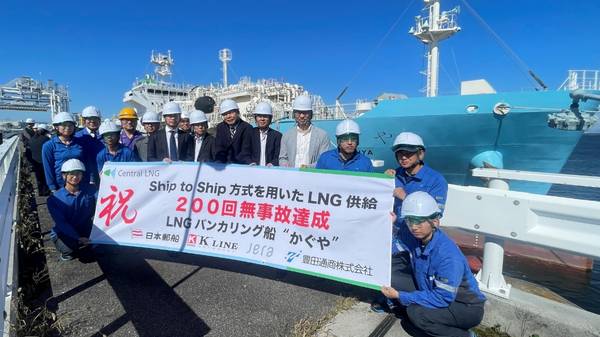
LNG bunkering vessel Kaguya completes 200th ship-to-ship operation in Japan
K Line’s joint venture vessel reaches milestone in Mikawa Bay. |
|
|
|
||
|
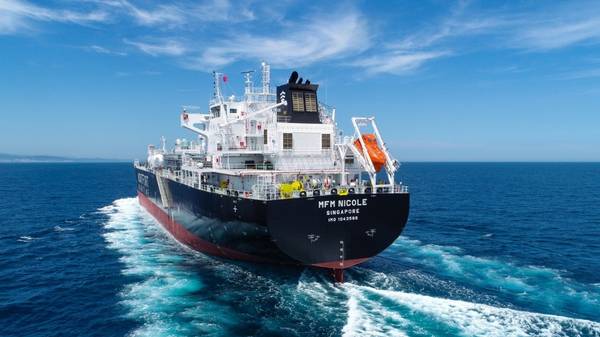
Synergy Marine adds dual-fuel LPG carrier to managed fleet
MFM Nicole joins Synergy’s gas carrier portfolio as owners weigh fuel choices ahead of MEPC 85 negotiations. |
|
|
|
||
|
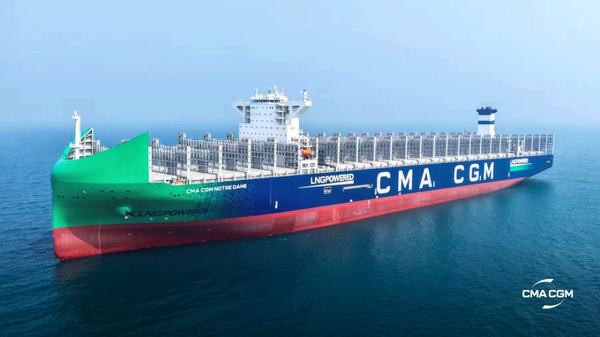
DSV to use CMA CGM’s ACT+ solution to slash shipping emissions
Danish firm targets 12,000-tonne reduction in CO₂ emissions over two years through the use of UCOME-based biofuels. |
|
|
|
||
|
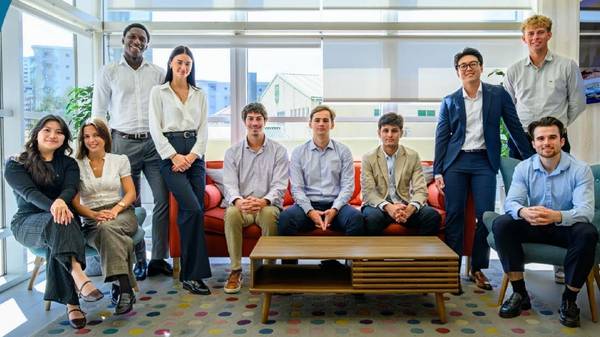
Peninsula welcomes 2026 graduate cohort across global bunkering network
Bunker firm brings new graduates into roles spanning Houston, Singapore, Gibraltar, Monaco and Las Palmas. |
|
|
|
||

|
Malik Supply appoints Mathias Krogsgård as bunker trader
Danish bunker firm adds trader with export and technology background to growing team. |
|
|
|
||
|
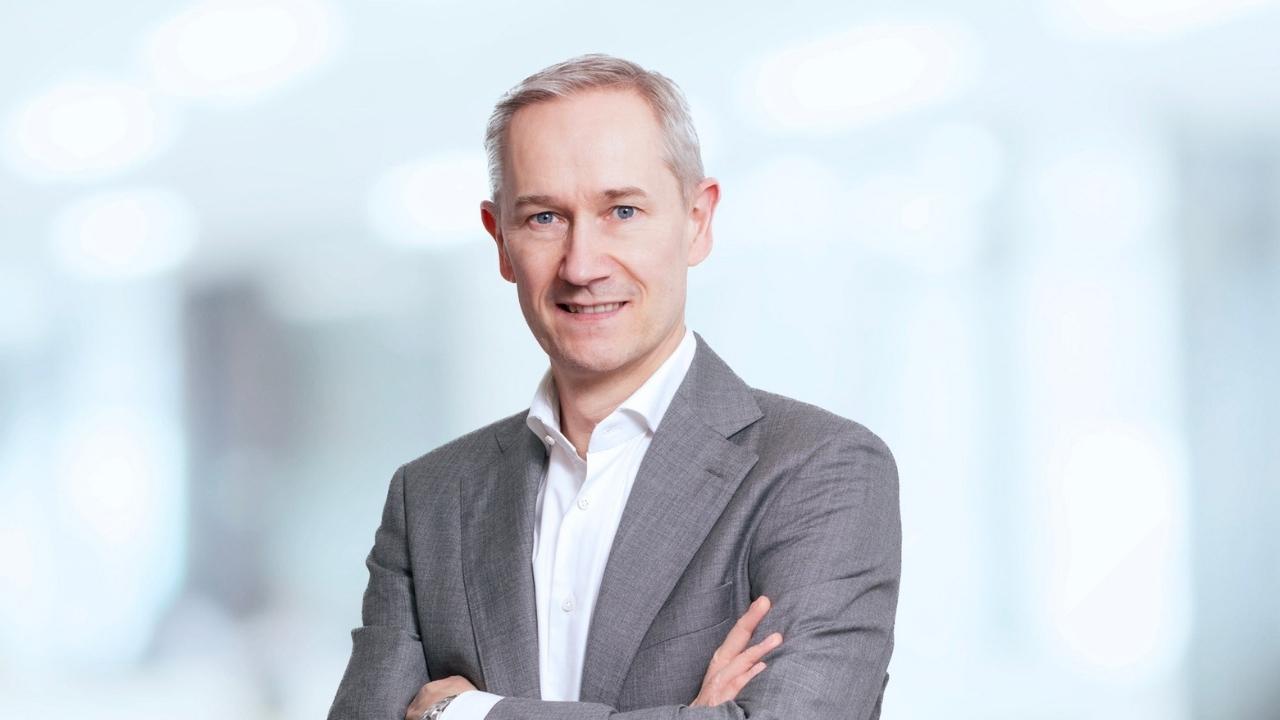
Biofuel adoption in shipping shifts from debate to delivery, says Peninsula's Jeroen de Vos
Marine biofuels have moved from pilot projects to routine fuel strategy, argues IBIA vice-chair. |
|
|
|
||
|
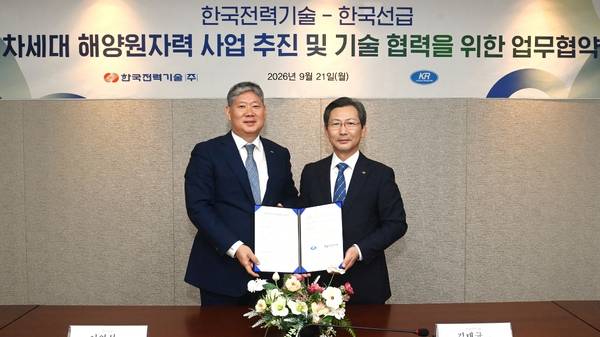
KEPCO E&C and Korean Register of Shipping to collaborate on marine SMR development
Korean firms to develop technical standards and certification pathways for the BANDI offshore small modular reactor. |
|
|
|
||
|
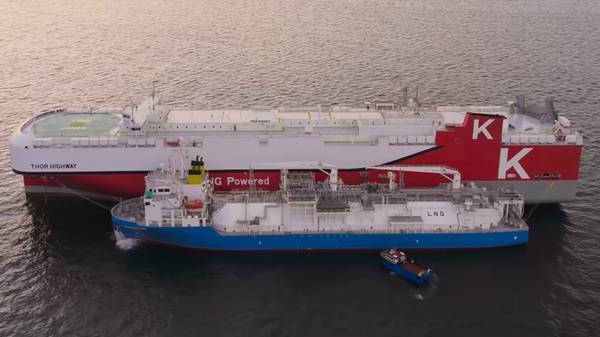
Peninsula completes first LNG bunkering operation at Sagunto
Levante LNG bunkering vessel supplies K Line car carrier in landmark delivery. |
|
|
|
||
| VPS to run marine fuel management course in the Netherlands this November [News & Insights] |
| Electric and hybrid ferries could cut Sea of Marmara emissions by 63%, IMO study finds [News & Insights] |
| VPS to run marine fuel management course in Singapore [News & Insights] |
| NYK shares two years of ammonia-fuelled tugboat data with IMO [News & Insights] |
| IMO and EMSA gather maritime experts to address seafarer training for alternative fuels [News & Insights] |
