
|
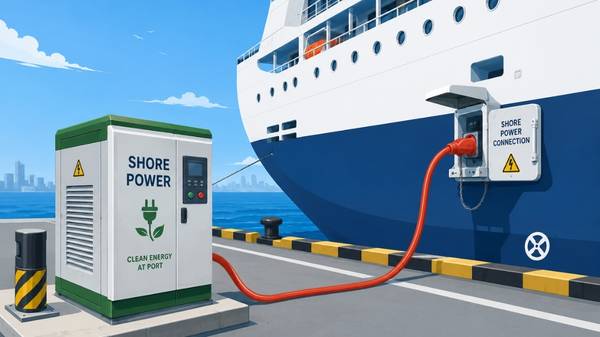
Portsmouth port publishes white paper on UK’s first multi-berth shore power system
UK port shares lessons from five-year project in bid to spur nationwide uptake of the technology. |
|
|
|
||
|
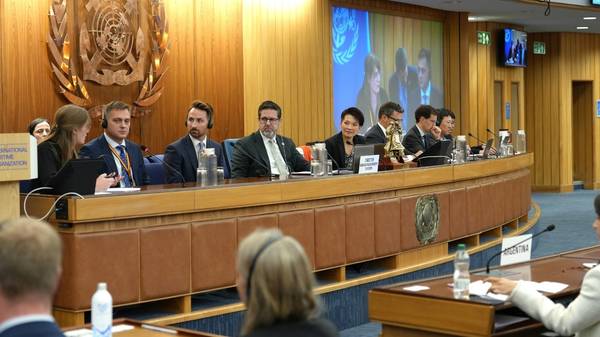
IMO seminar examines technical hurdles facing ammonia as a marine fuel
Technical seminar under the Future Fuels and Technology Project attracts over 800 participants. |
|
|
|
||
|
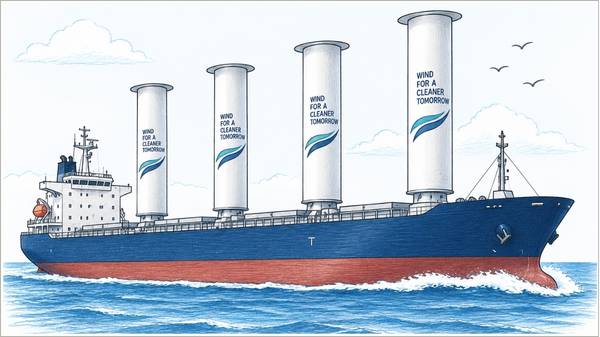
ICS to host webinar on wind-assisted propulsion for shipping
Event to bring together panel of industry experts to discuss wind propulsion as a decarbonisation option. |
|
|
|
||
|
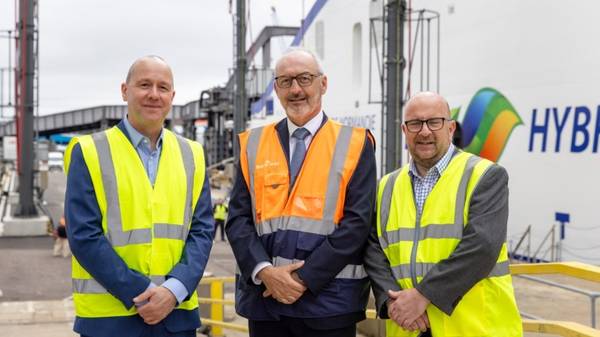
Portsmouth switches on UK’s first multi-berth shore power system
ABB technology enables Portsmouth to offer high-voltage shore power across three berths simultaneously. |
|
|
|
||

|
H2SITE lands €3.4m in Norwegian funding to scale up onboard ammonia-to-power system
Enova backing will support the development of a 700 kW ammonia-cracking system for commercial maritime auxiliary-power applications. |
|
|
|
||
|
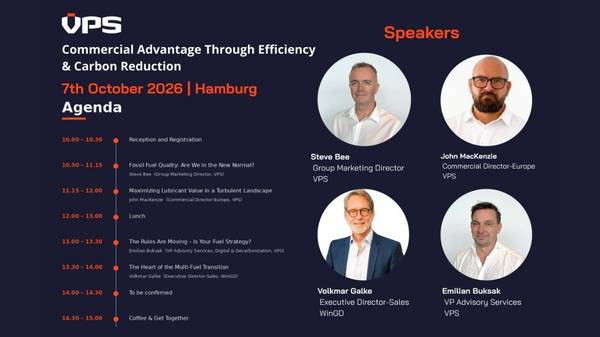
VPS to host Hamburg seminar on fuel quality and decarbonisation
European Round Table Meeting will address marine fuel strategy, lubricants and the multi-fuel transition. |
|
|
|
||
|
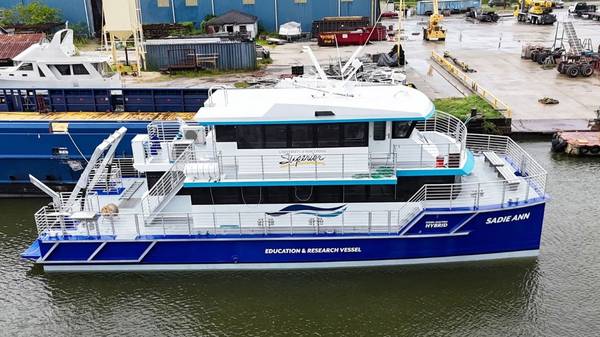
Battery-hybrid vessel enters service as a floating classroom for research students
Hybrid research vessel Sadie Ann delivered for Lake Superior education programme. |
|
|
|
||
|
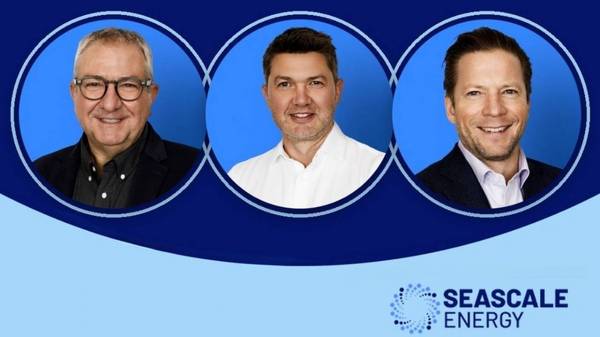
Gaetan Perret to succeed Olivier Josse as Seascale Energy co-CEO
Josse will step down after 36 years, with Gaetan Perret set to become co-CEO in December. |
|
|
|
||
|
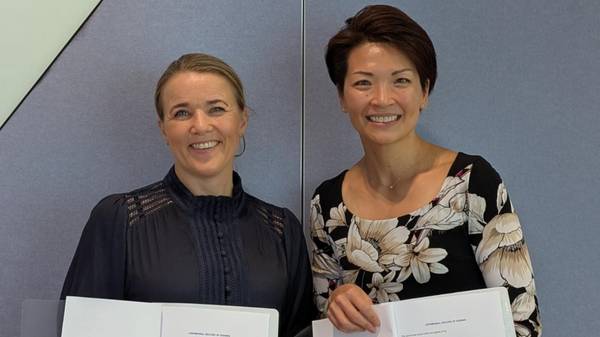
GCMD and Equinor sign five-year partnership on alternative fuels and carbon storage
Singapore-based centre and Norwegian energy company to combine expertise in maritime pilots and low-carbon fuel supply. |
|
|
|
||
|
Petrobras suspends bunker deliveries at Rio Grande after tropical storm
Storm damage and power outage leave resumption timeline unclear. |
|
|
|
||
| Shell bunker tanker delivers LNG cargo to Klaipeda reloading station [News & Insights] |
| Shell's LNG bunker barge to include Wartsila tanks and cargo handling system [News & Insights] |
| Shell ups LNG bunker supply capacity with barge charter [News & Insights] |
| SLNG completes first small-scale reload on Shell LNG bunker vessel [News & Insights] |
| ABS grants design approval for ammonia bunkering vessel from HD HHI and HD KSOE [News & Insights] |
| KR and Hanwha Ocean agree to develop 18,000-cbm LNG bunkering vessel designs [News & Insights] |
| Hanwha Power secures ABS approval for 22,000-cbm LNG bunkering vessel design [News & Insights] |
| World's first operational ammonia bunker vessel enters service [News & Insights] |
| Trelleborg and Simwave launch LNG transfer equipment training programme at Gastech 2026 [News & Insights] |

