Fri 26 Jun 2015, 08:23 GMT

Azipod D electric propulsion named Innovation of the Year


Award was given at the Electric & Hybrid Marine World Expo in Amsterdam.


Zurich-headquartered power and automation technology group, ABB, has been awarded the Innovation of the Year Award for the recently introduced Azipod D [pictured] electric propulsion product at the Electric & Hybrid Marine World Expo in Amsterdam.

The Innovation of the Year Award identifies pioneering technologies that push the boundaries and contribute to making electric and hybrid propulsion possible and viable. The winner was selected by an international jury consisting of 38 maritime journalists, industry experts and academics.

ABB introduced the Azipod D in March 2015. ABB's gearless Azipod propulsion system is already the preferred choice of cruise vessels, icebreakers, ice-going cargo vessels and offshore accommodation ships.

Azipod D has been designed to provide increased design flexibility in order to accommodate a wide range of hull shapes and propeller sizes, as well as simplicity of installation of the propulsion units. The Azipod D requires up to 25 percent less installed power, which is partly due to the new hybrid cooling that increses the performance of the electric motor by up to 45 percent. ABB's Azipod D propulsion power ranges from 1.6 megawatts to 7 megawatts (MW) per unit.

In a statement, Heikki Soljama, Managing Director for ABB's marine and ports business, said: "We are delighted that our contribution to the further expansion of electric propulsion is recognized as Innovation of the Year. The flexibility that electric propulsion provides is key to future success in shipping, and therefore it is easy to understand why electric propulsion is growing many times faster than the world's fleet.

"Azipod D allows a wider range of vessel types to benefit from the proven reliability and flexibility that have made Azipod the leading propulsion system across numerous ship types, such as cruise vessels and icebreakers."

ABB said: "With the Azipod D, shipping segments such as offshore drilling, construction and support vessels and ferries will have even more choices to benefit from the higher flexibility, reliability and energy efficiency provided by Azipod propulsion technology."

ABB was also named Propulsion Manufacturer of the Year for the second consecutive year.


Flag of Brazil. Petrobras resumes bunkering operations at Rio Grande Terminal after power restoration  

Brazilian supplier restarts marine fuel supply after completing an inspection following an electricity outage.

Stena E-Flexer vessel render. Stena RoRo orders battery-ready E-Flexer 2.0 ferries from Chinese yard  

Vessels include diesel engines capable of running on biodiesel and are methanol-ready.

BW Gemini vessel. Nord Gas Solutions to supply cargo and fuel systems for eight BW LPG VLGCs  

Gas-handling systems specialist awarded contract for new 90,000-cbm vessels.

Kingston Trader vessel. TFG Marine fits mass flow meter to Jamaica-bound bunker barge  

Kingston Trader becomes the first Caribbean bunkering vessel with mass flow metering as TFG Marine’s fleet coverage nears 90%.

Sebastian Vasquez and Camilo Angulo Ferrand, Monjasa. Monjasa announces full-chain marine fuel operations in Cartagena  

Monjasa says it now covers the entire marine fuel supply chain in Colombia, from oil wells to ship-side deliveries.

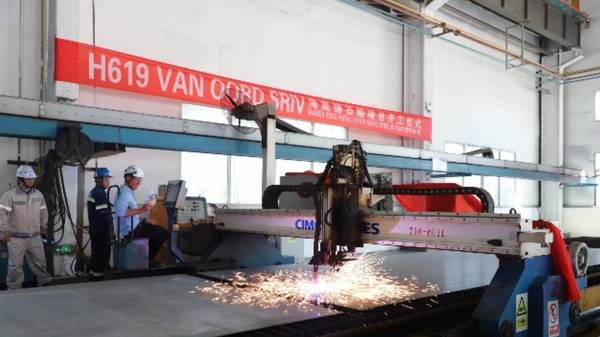
Steel-cutting ceremony for vessel with builder's hull no. H619. Ceremonies held for Van Oord’s methanol-hybrid rock installation vessels  

Two ships advance through parallel construction at China’s CIMC Raffles shipyard.

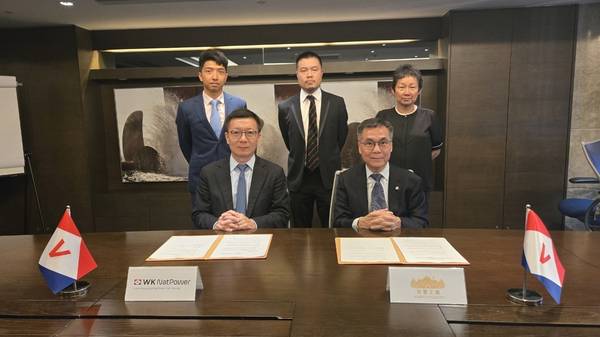
WK NatPower and AREL MoU signing. Wah Kwong NatPower signs MoU to explore Hong Kong marine electrification  

Venture will examine shore power, vessel charging and electric vessel deployment around Aberdeen’s waterfront.

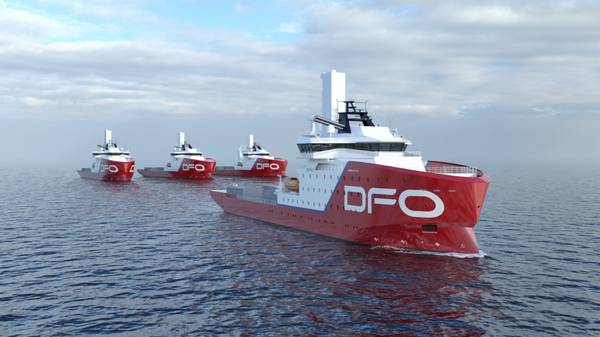
Vard 4 39 design render. Dong Fang Offshore orders CSOV with battery-hybrid propulsion  

Vard secures fifth newbuild contract from Taiwanese firm, with delivery scheduled for 2028.

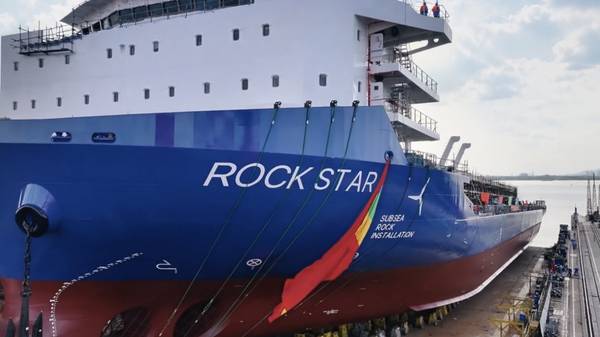
Rock Star vessel. CSL and OWL launch first subsea rock installation vessel for offshore wind  

MV Rock Star can run on MGO and methanol and is designed to support scour protection and cable burial for offshore wind projects.

François Michel and Andy McKeran. Lloyd’s Register study backs 200,000-cbm LNG carriers for fleet renewal  

Analysis finds larger LNG carriers could cut transport costs while retaining access to most major terminals.