Fri 10 Jan 2014, 14:29 GMT

Consultancy predicts 'healthy' shipping industry in 2015


Maritime industry's fortunes should be 'noticeably improved' by 2015 if the recovery is maintained, says UK firm.


International accountant, shipping adviser and consultancy Moore Stephens says that 2015 should see the return of a 'healthy' shipping industry. The UK-based firm believes that the shipping industry's fortunes should be noticeably improved by 2015 if it maintains the recovery which got under way last year. But it warns that the prospects for recovery may still be fragile if the industry fails to meet a number of challenges, including tighter regulation and increased operating costs.

Moore Stephens shipping partner, Richard Greiner said: "New Year resolutions are invariably a case of in one year and out the other. Generally speaking, it is wise not to make resolutions which are too ambitious; American troubadour Woody Guthrie had the right idea when he settled for, ‘Wash teeth, if any’. But the shipping industry can afford to be a little more bullish than previously in its aspirations for 2014.

"Shipping is in a different space to that which it occupied a year ago. Confidence rose to a three-year high over the course of 2013. Good things are predicted for freight rates in 2014, more companies are starting to consider new investment, and economic and political issues with the potential to hurt shipping are deemed less severe than twelve months previously.

"Over the next twelve months, we can expect to see more shipping money raised in the public and private equity markets. We may see more non-shipping money invested in shipping than for some time, although not necessarily by dentists. Supply and demand levels should come closer into alignment. Consequently, freight rates are likely to rise and, with them, vessel values. Increased levels of demolition will be required to offset new tonnage. China is already offering subsidies to shipping companies to scrap vessels before their operational expiry date and to replace them with new ships which are eco-friendly and which fly the Chinese flag. So everybody is happy – owners, shipyards, environmentalists (except those worried about the perceived evils of irresponsible recycling) and politicians alike."

Greiner warns, however, that all the positive indicators remain somewhat fragile. Further, he added: "Operating costs are expected to go up in 2014. Shipping cannot operate without fuel and skilled manpower. Meanwhile, increased regulation of crew welfare, fuel quality and ballast water management are big-ticket items. Environmental regulation is self-perpetuating, witness the news that IMO is to debate plans for shipowners to compile fuel-consumption data to support steps to create carbon dioxide reduction regulations.

"It is to be hoped, however, that the industry can sustain the upturn which began in 2013. If it can, we may see a return to rude health by 2015 although, as John Maynard Keynes warned, 'The market can stay irrational for longer than you can stay solvent'."


Christos Doulaveris, Flex Commodities. Flex Commodities appoints Christos Doulaveris as general manager for Greece  

Bunker trader strengthens its Greek operations with a new leadership appointment.

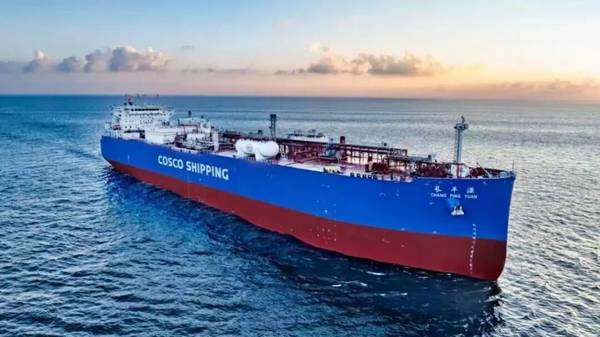
Chang Ping Yuan vessel. China delivers first domestically built VLGC under Chinese flag  

Cosco Shipping’s new 88,000-cbm gas carrier features an LPG dual-fuel main engine.

IMO, GreenVoyage2050 and Republic of Türkiye MoTI logos. Electric and hybrid ferries could cut Sea of Marmara emissions by 63%, IMO study finds  

A GreenVoyage2050 study finds that electrification could slash emissions, avoid €492 million in damage costs and support jobs.

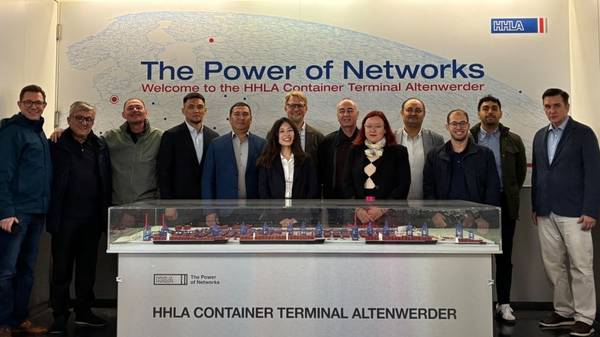
Study visit to Hamburg, Germany, on sustainable port development. Batumi Sea Port officials study decarbonisation practices in Hamburg  

Georgian port representatives visited Hamburg to study emissions accounting, hydrogen technology and automation ahead of their 2026 recertification audit.

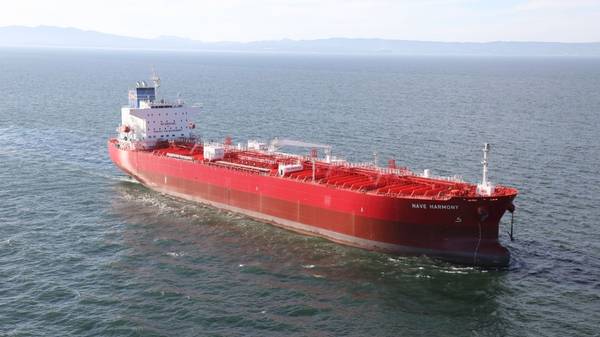
Nave Harmony vessel. Navios Partners takes delivery of methanol-ready MR2 tanker Nave Harmony  

Shipowner adds 49,998-DWT newbuild product tanker equipped with methanol-ready technology.

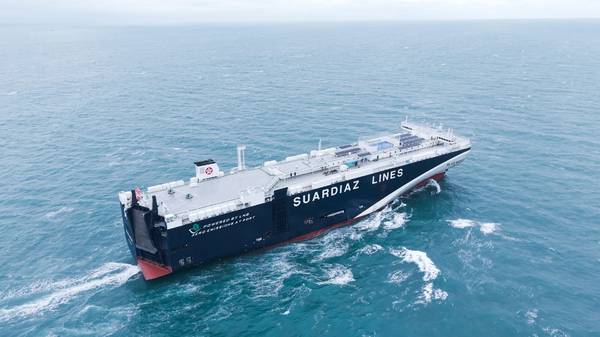
RS Atlantico vessel. Eastern Pacific Shipping delivers LNG dual-fuel PCTC to Suardiaz  

RS Atlantico is the first mid-sized 5,500-CEU car carrier built through the EPS–Suardiaz partnership.

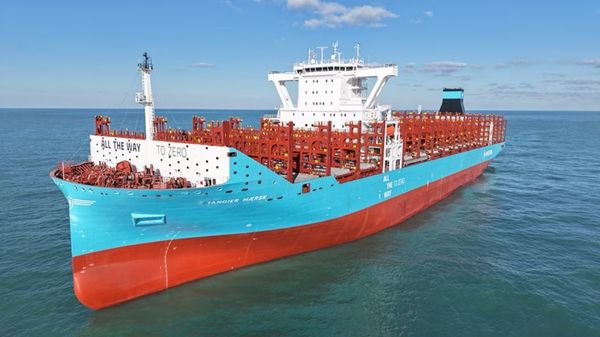
Tangier Maersk vessel. Maersk completes first US ethanol bunkering of a deep-sea container ship  

Shipper tests US-produced corn ethanol as a marine fuel aboard the Tangier Maersk.

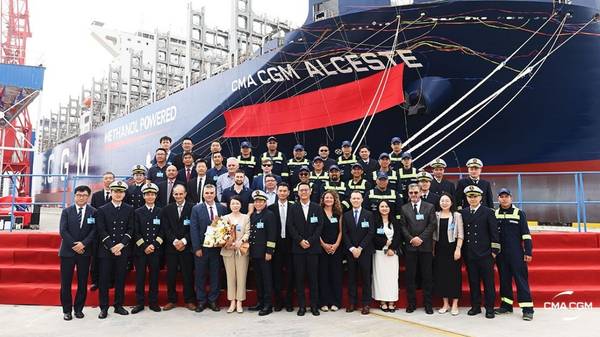
CMA CGM Alceste naming ceremony. CMA CGM names methanol-powered vessel after Molière’s Alceste  

Ship features a MAN B&W 8G85ME two-stroke engine configured to run on conventional marine fuel and methanol.

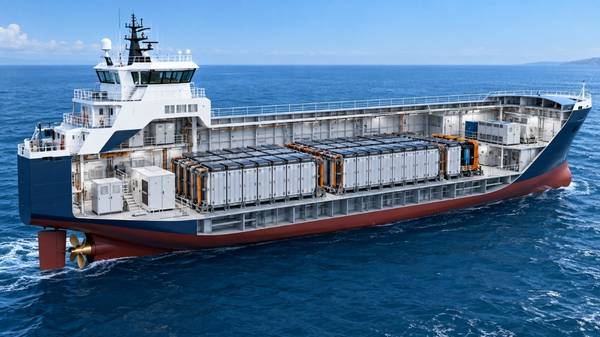
Cutaway illustration of a battery-electric ship. Why batteries still cannot power ships across oceans  

Battery-electric ships dominate short-sea routes, but energy-density and infrastructure constraints keep deep-sea propulsion out of reach.

VPS logo. VPS to run marine fuel management course in Singapore  

Two-day programme in November covers fuel handling, testing and decarbonisation rules, including a laboratory tour.