
 |
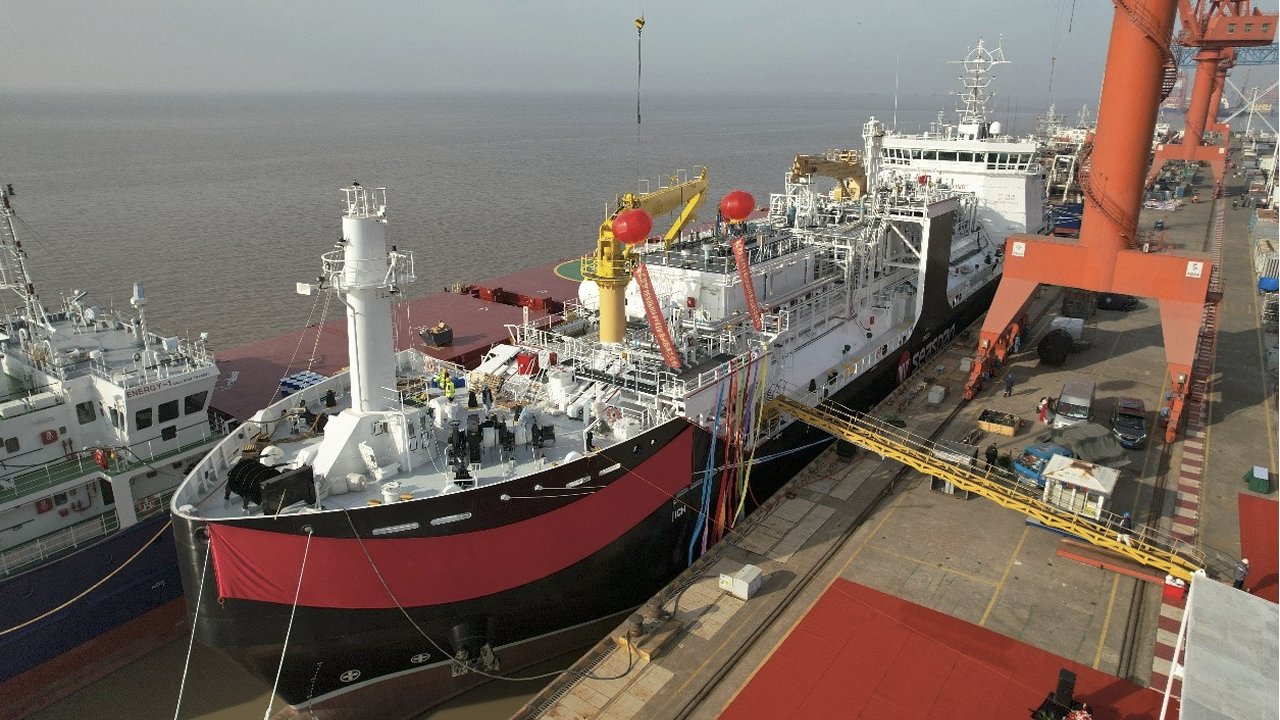
Bureau Veritas Marine & Offshore has assisted in the delivery of a third 7,600-cbm LNG bunkering vessel, named S1067, built by Nantong CIMC Sinopacific Offshore & Engineering Co., Ltd. (CIMC SOE) for Seaspan Energy.
The S1067 boasts several advanced features including dual-fuel operation, a modern DC power distribution system, and twin Type C cargo tanks. Additionally, it is equipped with two azimuth thrusters for propulsion, dual compressor systems for handling boil-off gas, and a sub-cooler unit to maintain tank pressure. The vessel also includes three manifold stations designed to enhance flexibility during bunkering operations.
The certification of LNG bunkering vessels, such as the S1067, ensures that ship owners and operators can meet regulatory requirements while catering to the industry's increasing demand for LNG. Bureau Veritas claims to have classified about 35% of the world's operational bunkering ships and approximately 50% of the current order book, whilst also guiding the production of low-carbon alternative fuels like methanol and ammonia.
Alex Gregg-Smith, Senior Vice President for Asia Pacific at Bureau Veritas Marine & Offshore, remarked on the longstanding relationship with CIMC SOE, highlighting their shared commitment to sustainability and the decarbonisation of maritime operations. CIMC SOE's Deputy General Manager of the Shipbuilding Division, Shen Lintao, emphasised the hard work and collaboration that brought the S1067 to fruition, showcasing the technical capabilities and innovation of the company.
Harly Penner, President of Seaspan Energy, expressed his appreciation for the partnership with CIMC SOE, acknowledging the importance of the delivered vessels and the commitment to maintaining their condition.
Bureau Veritas has previously partnered with CIMC SOE on several projects, including three 16,500-cbm LPG carriers and six 27,500-cbm LNG dual-fuel carriers. Looking ahead, BV says it intends to continue collaborating with CIMC SOE on innovative projects, which encompass two 12,500-cbm LNG bunkering vessels, two 24,000-cbm liquefied ethylene gas (LEG) carriers, and its new SPP40 Platform supply vessels.
|
Monjasa shuffles leadership across Asia and West Africa trading desks
Morten Jacobsen steps down as managing director for Asia, with Simone Piredda relocating from Dubai to take the helm in Singapore |
|
|
|
||
|
Burando Energies appoints Tue Jensen as head of market risk
Dutch marine fuels specialist bolsters its risk function amid international growth plans. |
|
|
|
||
|
Fincantieri floats out Explora V and marks coin ceremony for Explora VI
Two ceremonies at Sestri Ponente shipyard advance construction of MSC's six-ship Explora Journeys fleet. |
|
|
|
||
|
BP advertises for senior physical bunker trader to oversee Europe and Africa marine business
London-based trader is required to manage pricing, accounts and strategy across its marine fuels operation. |
|
|
|
||
|
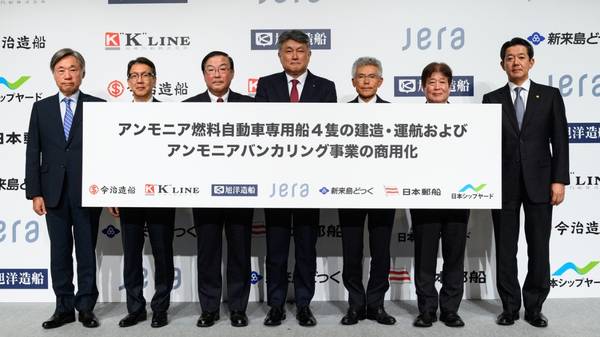
Seven Japanese firms join forces on ammonia-fuelled car carrier project
NYK, K Line and five other companies plan to build four ammonia-fuelled car carriers alongside a dedicated bunkering vessel and supply chain. |
|
|
|
||

|
EmissionLink urges EU to channel ETS revenues into shipping carbon capture trials
Maritime emissions specialist says regulation alone will not make onboard carbon capture commercially viable for shipowners. |
|
|
|
||
|
WinGD signs long-term service deals covering 14 LNG carriers with three shipowners
Engine designer secures lifecycle support contracts with COSCO, NYK and TMS Cardiff Gas for dual-fuel LNG vessels. |
|
|
|
||
|
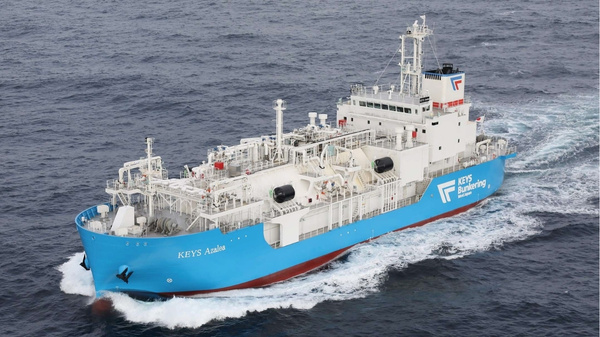
KEYS Azalea completes 100th LNG bunkering operation in western Japan
LNG bunkering vessel reaches landmark delivery in two and a half years. |
|
|
|
||
|
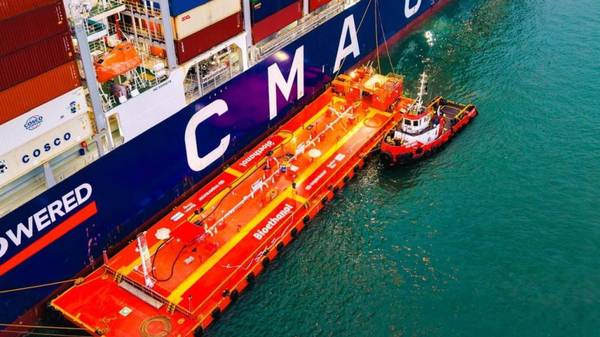
Port of Santos moves to regular ethanol bunkering for ships
CMA CGM, Copersucar and Bunker One expand July pilot into a commercial supply chain for ethanol as a marine fuel in Brazil. |
|
|
|
||
|
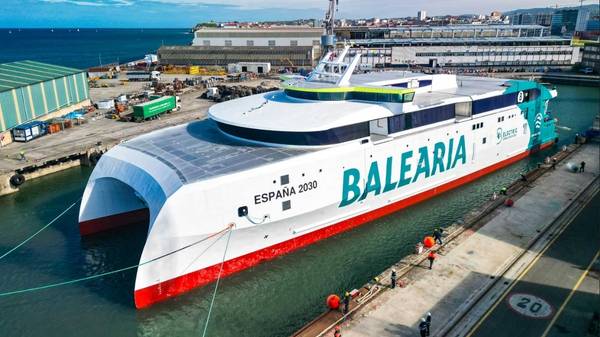
Baleària floats first fully electric fast ferry for Tarifa–Tangier route
Spanish operator's new catamaran, built at Armón's Gijón yard, will enter service in summer 2027. |
|
|
|
||
| Peninsula CEO seals deal to build LNG bunker vessel [News & Insights] |
| Wärtsilä to supply Scale Gas LNG bunker vessel's cargo handling system [News & Insights] |
| KEYS Azalea completes 100th LNG bunkering operation in western Japan [News & Insights] |
| Pinnacle Marine launches two B100-compatible utility boats for Excelessel Offshore [News & Insights] |
| Bureau Veritas marks naming of Union Maritime's wind-assisted Aframax tanker [News & Insights] |
| CLPe and CNOOC complete Hong Kong's first LNG bunkering of a pure car and truck carrier [News & Insights] |
| GT Wings launches compact AirWing S Jet Sail for smaller vessels [News & Insights] |
