Mon 23 Sep 2013, 13:38 GMT

Neste Oil to exit the shipping business


Finnish firm to sell all its vessels and outsource the ship management functions.


Neste Oil is planning to exit its shipping business. According to the plan, the company would sell all its own vessels and outsource the ship management functions currently covering them, with around 320 ship management personnel transferring to a new employer. Neste Shipping's chartering functions would be retained and integrated with Neste Oil's organization. Going forward, Neste Oil says it intends sourcing its marine transportation through contractual arrangements.

"Neste Oil's shipping needs have changed in recent years," explained Neste Oil's President & CEO, Matti Lievonen. "The proportion of the Group's cargoes carried by Neste Shipping ships flying the Finnish flag has steadily declined. Because of its high costs level, Neste Shipping has been unable to compete profitably on the international shipping market. Ensuring the long-term continuity of the business in its present form would also call for significant investments. As a result, we are now planning to exit the shipping business and reinforce our focus on developing our core cleaner traffic solutions."

Service levels will be unaffected and national security of supply guaranteed

As part of the restructuring of its shipping business, Neste Oil intends to sell five tankers (Mastera, Futura, Neste, Kiisla, and Suula) and three tugs (Ukko, Ahti, and Esko) to companies owned by Finland's National Emergency Supply Agency and the Ilmarinen Mutual Pension Insurance Company. These will be sold at the current market value. Neste Oil will lease the vessels back under long-term contracts and they will continue to sail under the Finnish flag.

"I am glad that we have been able to find an arrangement that will keep the key vessels needed by Neste Oil in Finnish ownership and in use by us," continued Lievonen. "These vessels, together with vessels chartered from other shipowners, will meet our current shipping needs and ensure that we are able to continue to provide our customers with a high level of service. The arrangement will continue to ensure Finland's security of supply in the area of marine-based oil transportation."

In addition, Neste Oil plans to sell three of its other tankers - Tempera, Purha, and Jurmo - at a later stage, together with its 50% ownership of another three tankers - Stena Poseidon, Palva, and Stena Arctica - which are owned together with the Stena Group of Sweden.

Plan to outsource ship management functions

As part of the restructuring, Neste Shipping plans transferring its ship management functions covering the crewing and maintenance of its vessels to a commercial ship management company that would take over the operations of the vessels that would remain in Neste Oil usage following the restructuring. Neste Shipping's ship management functions currently employ around 300 people at sea and 20 people on shore.

In connection with the planned outsourcing, Neste Shipping will commence statutory employer-employee negotiations covering all the land- and sea-based personnel. The plan is to transfer these personnel to a new employer. The planned sale of the Tempera, Purha, and Jurmo at a later stage could impact personnel in the event that the new employer is unable to offer substitutive positions to those concerned.

Financial impact

If the current plans are implemented as intended, no significant capital gains or losses are expected. However, the arrangement is expected to free up approximately EUR 60 million of capital from Neste Oil's balance sheet and improve the Group's result by approximately EUR 10 million annually during the coming years.

About Neste Oil

Neste Oil Corporation is a refining and marketing company concentrating on low-emission, traffic fuels. The company produces a comprehensive range of major petroleum products and is the world's leading supplier of renewable diesel. Neste Oil had net sales of EUR 17.9 billion in 2012 and employs around 5,000 people, and is listed on NASDAQ OMX Helsinki.

Neste Oil is included in the Dow Jones Sustainability World Index and the Ethibel Pioneer Investment Register, and has featured in The Global 100 list of the world's most sustainable corporations for many years.


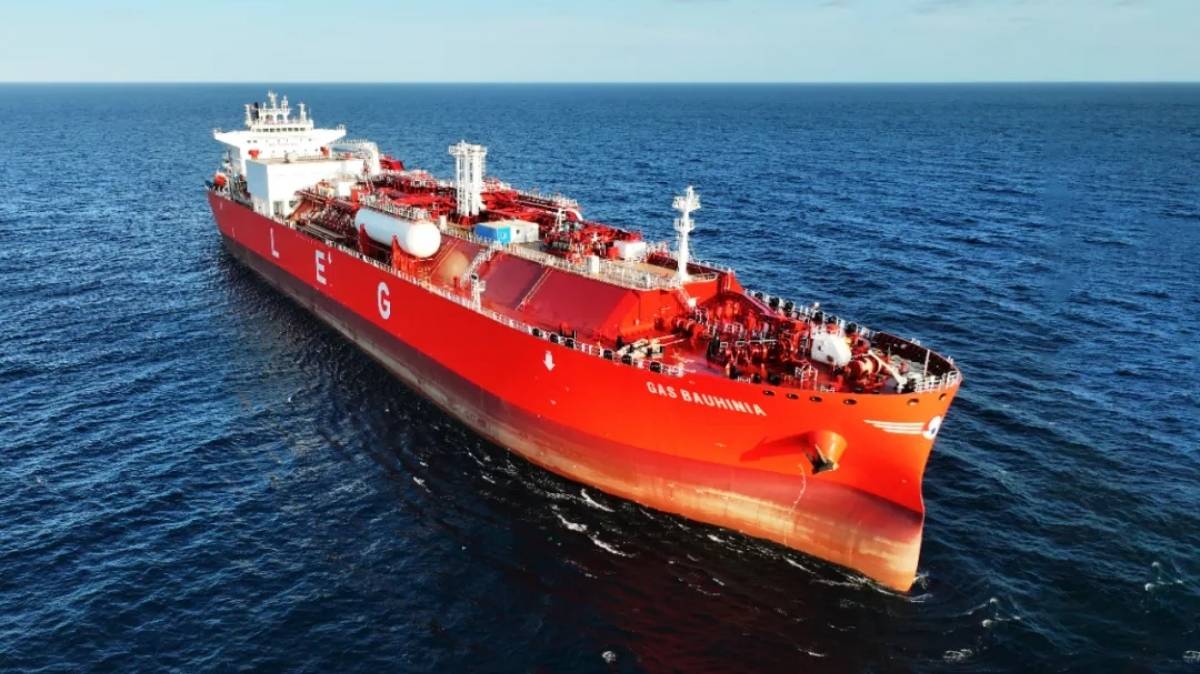
Gas Bauhinia vessel. Jiangnan Shipyard delivers dual-fuel VLEC to Southwest Shipping  

Delivery of Gas Bauhinia closes out a series of very large ethane carriers built for Southwest Shipping.

Lotte Fine Chemical and Hoegh Autoliners logos. Lotte Fine Chemical and Höegh Autoliners sign MoU on green ammonia bunkering  

Chemicals firm and car carrier operator to collaborate on ammonia fuel supply chain and bunkering infrastructure.

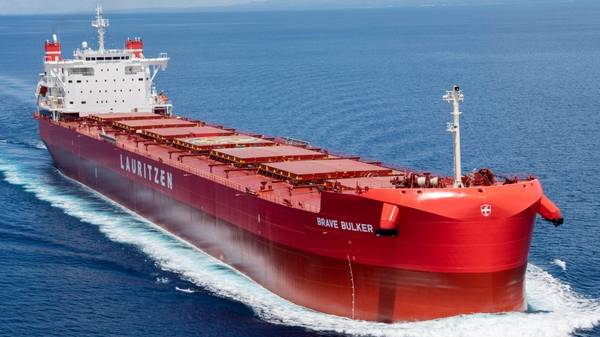
Brave Bulker vessel. Tsuneishi-Cebu delivers third methanol dual-fuelled Kamsarmax bulker  

Vessel features dual-fuel design that allows the use of methanol alongside conventional fuel.

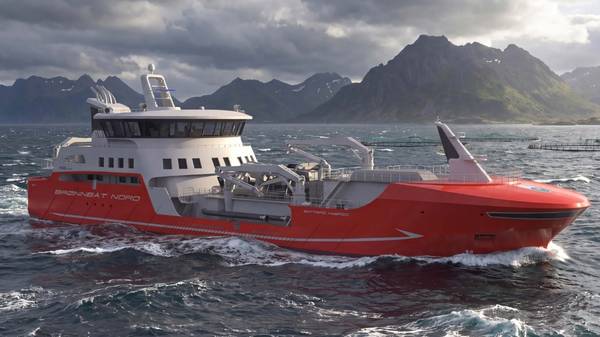
LFC 5000 vessel render. Everllence to supply 175D GenSets for battery-hybrid live-fish carrier  

Four 12V175D-MEV variable-speed GenSets will power a well-boat for Norway's Brønnbåt Nord.

Bunker Partner logo. Bunker Partner seeks marine fuel trader for Singapore office  

Prior experience in marine fuels and good knowledge of the Singapore and APAC bunker markets required.

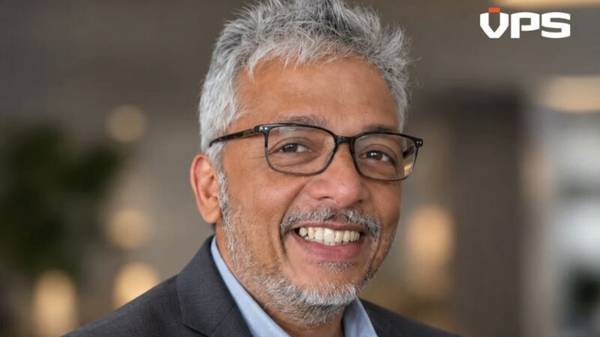
Stanley George, VPS. VPS manager joins ISO working group on alternative marine fuels  

Stanley George will represent the UK on ISO’s alternative marine fuels specification group.

Molslinjen vessel render. AYK Energy secures battery contract for Molslinjen's electric fast ferries  

Battery maker to supply 165MWh for three electric catamarans after cutting system weight by nearly half.

Giosue Vezzuto, RINA. Giosuè Vezzuto named CEO of RINA Services, taking charge of marine and certification arm  

Naval engineer with nearly three decades at RINA succeeds Paolo Moretti to lead the group's marine and certification division.

Acta Aquarius vessel. Acta Marine completes four-vessel newbuild programme with delivery of methanol dual-fuel Acta Aquarius  

Dutch offshore support vessel operator takes delivery of its fourth Tersan-built CSOV, featuring dual-fuel methanol propulsion.

Wind-assisted vessel illustration. Lloyd's Register backs GCMD methodology for verifying wind propulsion fuel savings  

Independent review aims to boost confidence in wind-assisted propulsion performance and unlock sustainable finance for energy-efficiency retrofits.