Thu 19 Apr 2012, 16:43 GMT

Shipping not prepared for uncomfortable bank meetings


Adviser says too many shipping firms are not adequately prepared to conduct successful negotiations with their banks.


International accountant and shipping adviser Moore Stephens has warned that some shipping companies are not adequately prepared to conduct successful negotiations with their banks which are likely to occur with increasing frequency.

Paul Edwards, a Moore Stephens corporate finance director, said, "Shipping is experiencing tough times. An increasing number of companies are unable to repay or, in some cases, even service their debts. That could mean an uncomfortable meeting with the bank. But too many companies are not properly prepared for such an encounter.

"Businesses must be able to produce properly documented and timely financial information for their stakeholders, which should include a view of the future. In good times, when charter rates exceeded operating expenses, little attention needed to be paid to future cash flows and debt service. But today, it is essential to be able to anticipate, to the extent that it is possible, future cash flows and pinch points.

"It is essential to provide banks with detailed information in the event that it becomes clear that a company may default on the terms of a loan. It is better still if this can be done before any covenants are breached or payments missed. In these difficult times, the key is for businesses to help banks to help them, by anticipating defaults or breaches and presenting a solution, rather than waiting for the default. This cannot be achieved without a proper financial model.

"Clearly, a model is not a panacea for difficult trading conditions, but working with a bank to present its credit committee with a potential solution, rather than with a problem, is more likely to engender a positive attitude to any restructuring.”

According to Moore Stephens, financial modelling is a key component of any renegotiation of facilities, and that a model, typically including integrated balance sheet, profit and loss account and cash flow statement, can help to support a restructuring proposal, by demonstrating the impact of changes on future cash flow.

Edwards added, "Financial modelling doesn’t change the economic fundamentals of a business. But it is a tool with which to identify ways to manage the impact of a volatile market. A good quality financial model is also an invaluable, ongoing management tool. It can be used to make longer-term strategic decisions and to determine the nature and structure of future investments and the potential returns on investment."


Christos Doulaveris, Flex Commodities. Flex Commodities appoints Christos Doulaveris as general manager for Greece  

Bunker trader strengthens its Greek operations with a new leadership appointment.

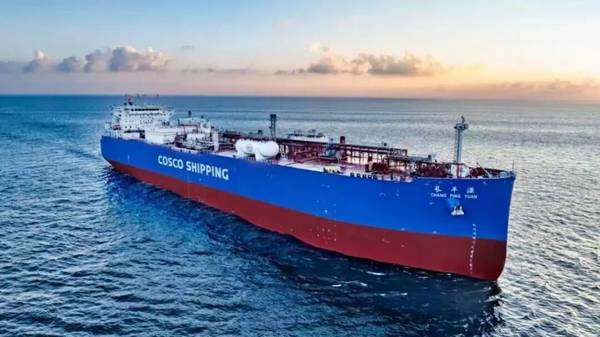
Chang Ping Yuan vessel. China delivers first domestically built VLGC under Chinese flag  

Cosco Shipping’s new 88,000-cbm gas carrier features an LPG dual-fuel main engine.

IMO, GreenVoyage2050 and Republic of Türkiye MoTI logos. Electric and hybrid ferries could cut Sea of Marmara emissions by 63%, IMO study finds  

A GreenVoyage2050 study finds that electrification could slash emissions, avoid €492 million in damage costs and support jobs.

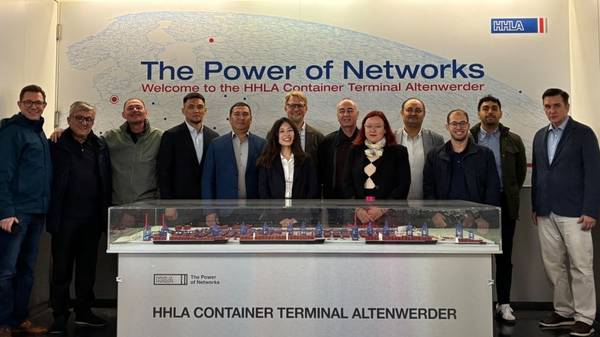
Study visit to Hamburg, Germany, on sustainable port development. Batumi Sea Port officials study decarbonisation practices in Hamburg  

Georgian port representatives visited Hamburg to study emissions accounting, hydrogen technology and automation ahead of their 2026 recertification audit.

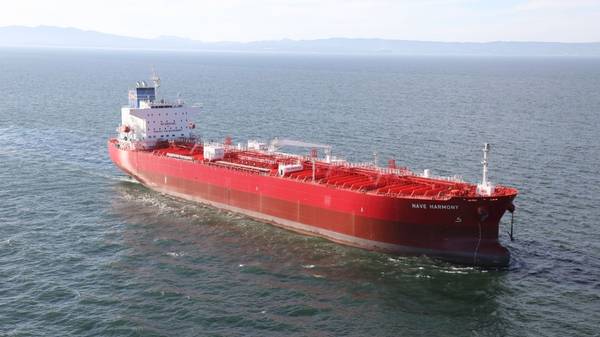
Nave Harmony vessel. Navios Partners takes delivery of methanol-ready MR2 tanker Nave Harmony  

Shipowner adds 49,998-DWT newbuild product tanker equipped with methanol-ready technology.

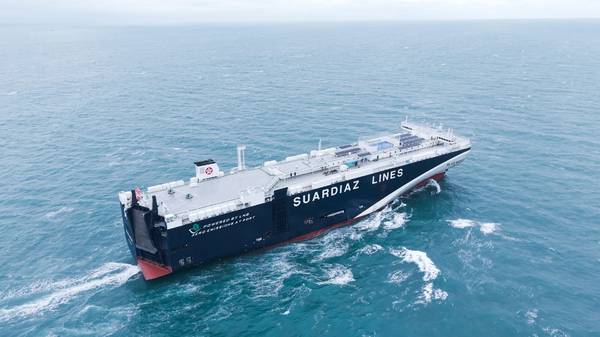
RS Atlantico vessel. Eastern Pacific Shipping delivers LNG dual-fuel PCTC to Suardiaz  

RS Atlantico is the first mid-sized 5,500-CEU car carrier built through the EPS–Suardiaz partnership.

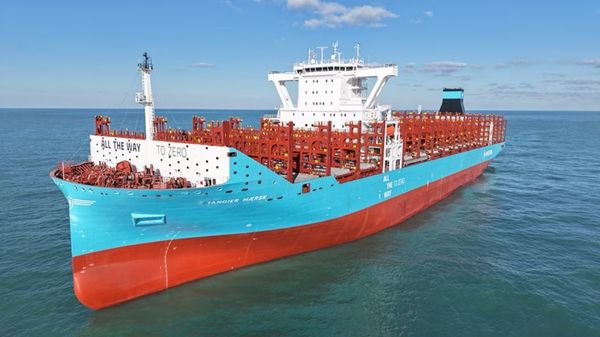
Tangier Maersk vessel. Maersk completes first US ethanol bunkering of a deep-sea container ship  

Shipper tests US-produced corn ethanol as a marine fuel aboard the Tangier Maersk.

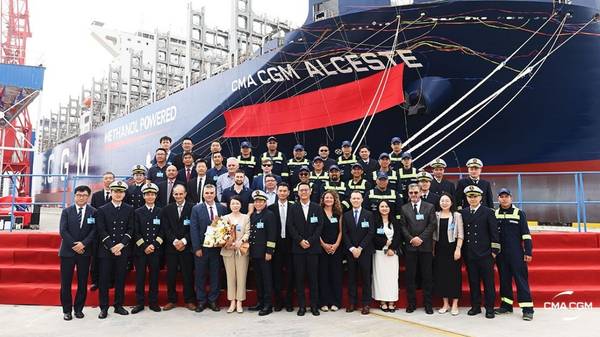
CMA CGM Alceste naming ceremony. CMA CGM names methanol-powered vessel after Molière’s Alceste  

Ship features a MAN B&W 8G85ME two-stroke engine configured to run on conventional marine fuel and methanol.

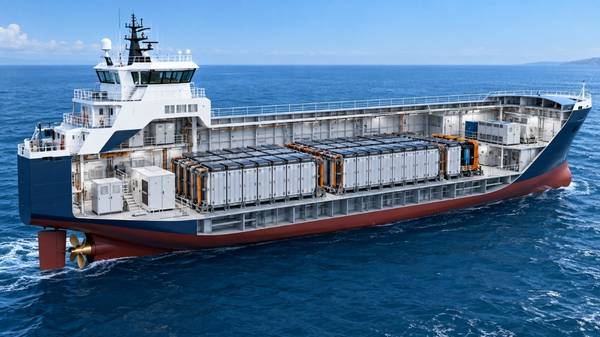
Cutaway illustration of a battery-electric ship. Why batteries still cannot power ships across oceans  

Battery-electric ships dominate short-sea routes, but energy-density and infrastructure constraints keep deep-sea propulsion out of reach.

VPS logo. VPS to run marine fuel management course in Singapore  

Two-day programme in November covers fuel handling, testing and decarbonisation rules, including a laboratory tour.