Mon 20 Jul 2009, 11:02 GMT

Maersk Line: More fuel savings than expected


Leading bunker buyer says slow steaming strategy has led to larger fuel savings than initially thought.


Leading shipping firm Maersk Line has said that its 'super slow steaming' strategy has led to larger fuel savings than previously thought.

Denmark-based Maersk says that it has proved that the two-stroke engines on its container vessels are able to run continuously at low loads ensuring a more flexible and energy-efficient vessel operation.

In 2007, Maersk Line initiated a comprehensive study on 110 vessels, which the company claims shows that despite traditional policy of 40-60 percent as minimum engine load, it is safe to go as low as 10 percent. "This makes it possible for containerships to sail at half speed, thereby reducing not only fuel costs significantly, but also CO2 emissions," Maersk said in a statement.

"We are dedicated to minimising our environmental footprint and conducting our business in a sustainable fashion. We have challenged the myths in the industry and with research documented that the savings potential of slow steaming is a lot bigger than previously thought," said Søren Stig Nielsen, Senior Director and Head of Sustainability in Maersk Line.

Maersk Line says that being able to select any given speed down to 10 percent engine load, enables a more flexible voyage and schedule planning as well as vessel savings amounting to 10-30 percent fuel and CO2. For a post-Panamax container ship this amounts to saving USD 1 million - equal to 3,500 tonnes fuel and 10,000 tonnes CO2 per year.

Maersk Line has collaborated with leading engine manufacturers, who have changed their recommendations accordingly.

More than 100 Maersk Line vessels have utilised super slow steaming since 2007, and the entire fleet is now capable of sailing at this new low speed.

"Whenever we are able to cut fuel consumption we achieve two things at the same time: We lower our emissions of greenhouse gases and we save costs. Super slow steaming enables us to reduce costs with the additional advantage of benefiting the climate and without diminishing our service. This really has a lot of potential for us," said Robert Kledal, Vice President and Head of Products in Maersk Line.


Global Ethanol Association (GEA) and Vale logo side by side. Vale joins Global Ethanol Association as founding member  

Brazilian mining company becomes founding member of association focused on ethanol use in maritime sector.

KPI OceanConnect Logo. KPI OceanConnect seeks marine fuel trading intern in Singapore  

Bunker supplier advertises role offering exposure to commercial and operational aspects of marine fuel business.

Frank Dahan, CSL Group. CSL Group's Frank Dahan appointed chair of IBIA's Americas regional board  

Dahan brings 29 years of marine transportation and energy experience to the role.

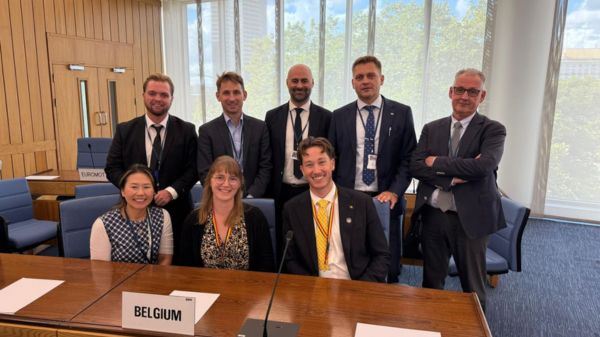
IMO Member States, Belgium delegation. Lloyd's Register, EXMAR, and Belgium’s Federal Public Service develop interim guidelines for ammonia cargo as fuel  

Guidelines expected to receive formal IMO approval in May 2026, enabling ammonia use on gas carriers.

Knut Ørbeck-Nilssen, DNV. DNV to lead Nordic roadmap Phase 2 for zero-carbon shipping transition  

Programme will identify green corridors and tackle cost barriers through new financing approaches.

Monjasa logo. Monjasa seeks trader for Dubai operations  

Marine fuel supplier recruiting for trading role covering sales, purchasing, and logistics in UAE.

IBIA Board Elections 2026 – Call for Nominations announcement. IBIA calls for board election nominations ahead of Friday deadline  

Association seeks candidates for 2026 board positions with submissions closing 12 December.

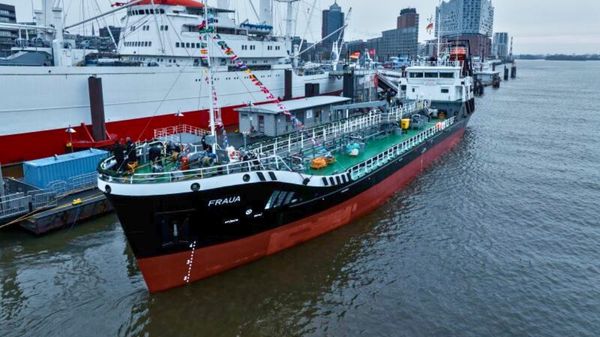
Fraua vessel. BMT Bunker adds tanker MT Fraua to fleet  

BMT Bunker und Mineralöltransport has expanded its fleet with a new vessel.

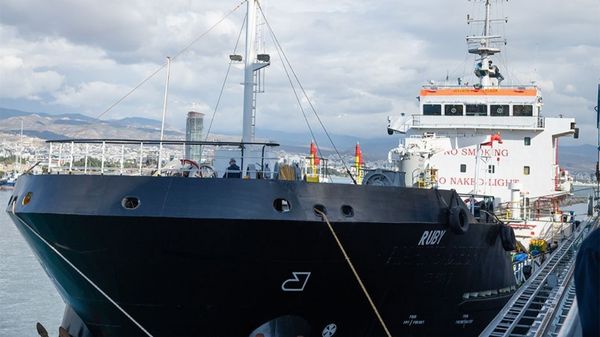
Ruby bunkering vessel. Island Oil expands Cyprus bunkering fleet with vessel Ruby  

Island Oil adds second bunkering vessel to strengthen marine fuel supply operations in Cyprus.

Wärtsilä and Aalto University partnership signing. Wärtsilä and Aalto University extend R&D partnership to accelerate marine decarbonisation  

Five-year agreement expands international collaboration on alternative fuels and clean energy technologies.


 Recommended