
 |
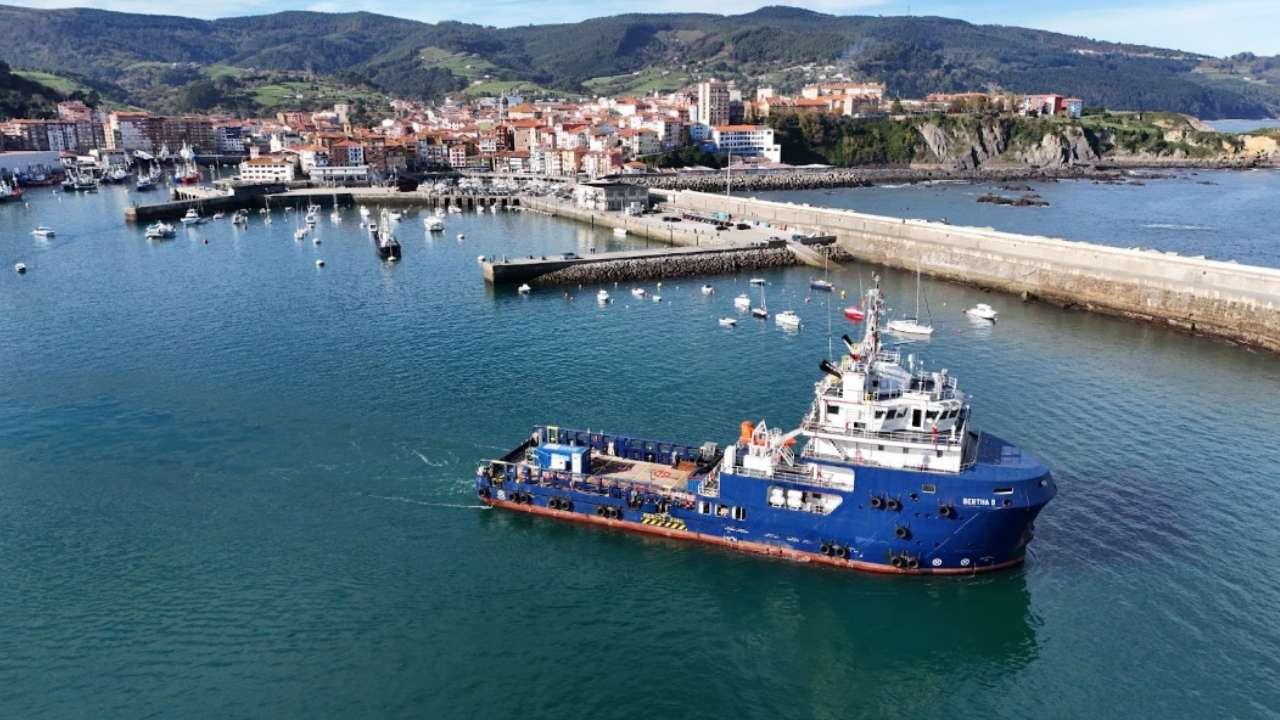
H2SITE has explained the reason for its decision to establish a Norwegian subsidiary in Bergen as part of its strategy to accelerate the deployment of its ammonia-to-hydrogen technology for maritime applications.
The Spanish company, founded in Bilbao in 2020, develops onboard ammonia cracking systems that enable vessels to produce high-purity hydrogen directly from stored ammonia. The technology is intended to support ammonia-based propulsion and the adoption of fuel cells by efficiently converting ammonia back into hydrogen during operations.
"When we evaluated where to expand, Bergen stood out as the obvious choice for our maritime ambitions," said Tomás Crespo, Maritime Business Development Manager responsible for Norwegian operations at H2SITE. "I firmly believe Bergen and Norway represent the fastest path for H2SITE to achieve commercial-scale adoption in the maritime sector."
H2SITE plans to work closely with Norwegian shipowners, shipyards and technology partners to adapt its systems to real vessel profiles and operating conditions. The company identified RoRo vessels, bulk carriers, platform supply vessels and tankers as key segments facing technical challenges with direct ammonia combustion, particularly at low loads.
According to H2SITE, onboard cracking allows shipowners to benefit from liquid ammonia storage and established logistics while producing hydrogen to improve combustion performance and enable fuel cells for auxiliary or full propulsion power.
The company said it has accumulated more than 6,000 operational hours on ammonia cracking systems, including continuous operation, and has developed maritime-focused projects such as H2Ocean and APOLO.
Bergen brings shipowners, designers, offshore operators and technology suppliers into close proximity, according to the company. "Here we find all players aligned with our target market," Crespo noted. "And we have proximity to key platform supply vessel and short-sea fleets for rapid pilot deployment and operational learning."
The city is positioned as a gateway to Norway's west coast energy corridor, where offshore wind development, hydrogen production and maritime logistics converge.
"The technology is proven; the priority now is implementation of the product and operational learning," said Crespo. "We are looking to work with Norwegian shipowners and shipyards that want to take a measured, forward-looking approach to decarbonisation."
Regulatory measures, including FuelEU Maritime and the EU Emissions Trading System, are already influencing investment decisions, while IMO frameworks continue to evolve, reinforcing interest in low- and zero-carbon fuel pathways.
H2SITE said its Norwegian base will focus on pilot and demonstration projects over the coming year, gathering operational data and refining systems in cooperation with the local maritime industry.
|
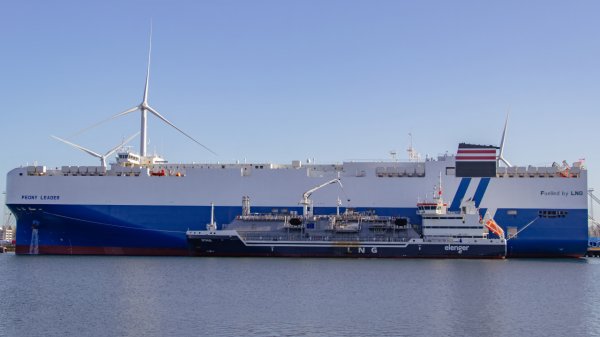
FuelEU pooling drives surge in bio-LNG demand, Titan analysis finds
Clean fuel supplier's modelling shows pooling mechanism turning overcompliance into tradable value for LNG-fuelled ships. |
|
|
|
||
|
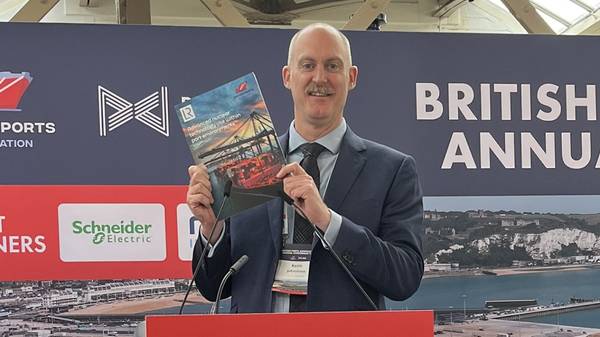
Ports told to prepare now for advanced nuclear power
Joint paper sets out a readiness pathway for ports facing nuclear-powered vessels, floating reactors and small modular units |
|
|
|
||
|
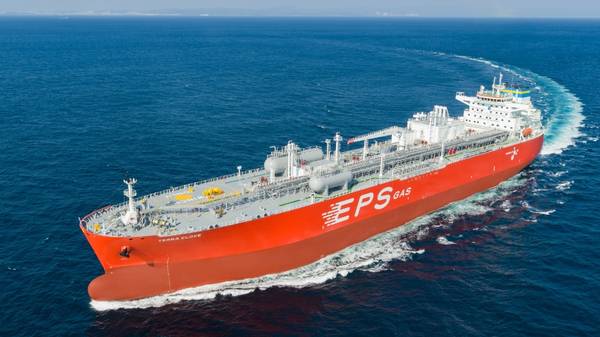
Eastern Pacific Shipping takes delivery of first ammonia dual-fuel VLAC
Terra Clove powered by first Everllence B&W 6G60ME-C10.5-LGIA ammonia dual-fuel two-stroke engine. |
|
|
|
||
|
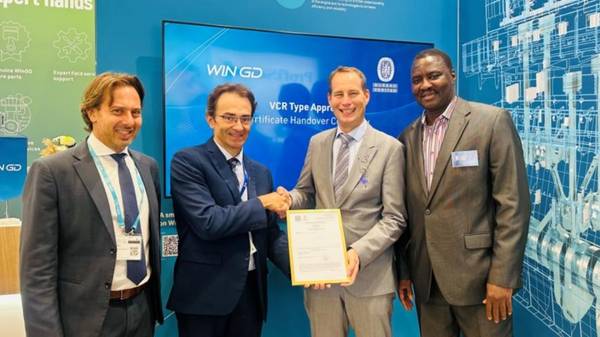
Bureau Veritas approves WinGD's variable compression ratio technology for dual-fuel engines
Classification society grants type approval to engine technology enabling compression ratio adjustment across different marine fuels. |
|
|
|
||
|
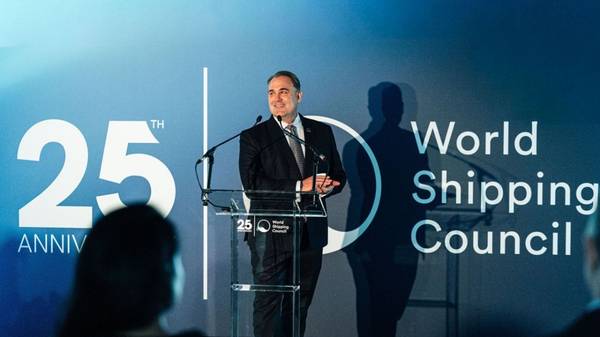
Dual-fuel fleet passes 500 ships as investment tops $200bn
World Shipping Council data shows dual-fuel container ships and vehicle carriers growing fast, with IMO rules uncertain. |
|
|
|
||

|
VPS to host Athens seminar on fuel efficiency and carbon reduction
VPS's final European round table of 2026 will cover marine fuels, lubricants and decarbonisation in Athens. |
|
|
|
||
|
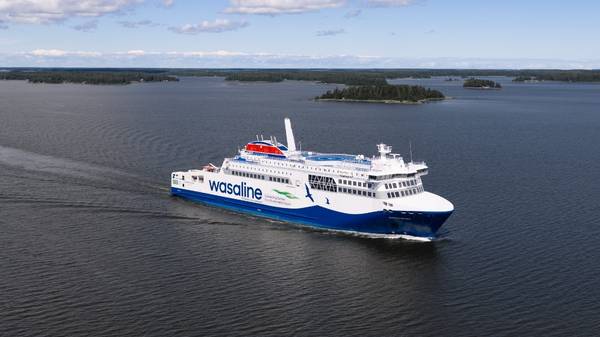
Wasaline secures locally produced biogas supply from St1 Biokraft for Vaasa–Umeå ferry
Agreement will supply 42 GWh of liquefied biogas annually, with deliveries due to start in January 2028. |
|
|
|
||
|
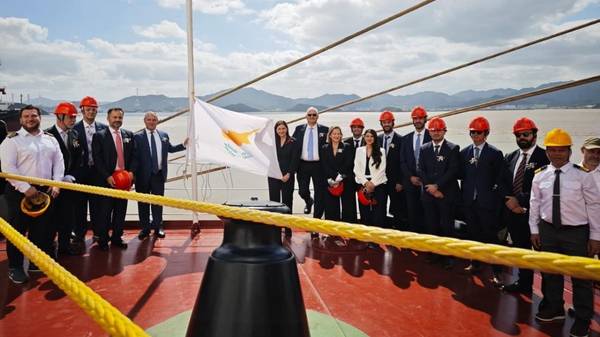
Safe Bulkers takes delivery of first dual-fuel methanol Kamsarmax newbuild
Kypros Island becomes the first dual-fuel bulker to enter the Cyprus Registry. |
|
|
|
||

|
PetroChina seeks LNG bunker trader to expand Asian marine fuel business
Role requires five to ten years of commercial experience in LNG, bunker trading, marine fuels, commodities, or energy trading. |
|
|
|
||
|
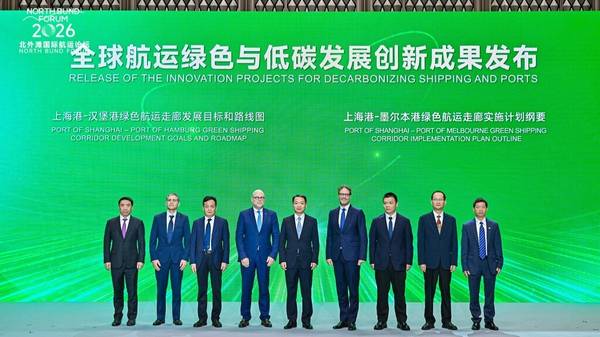
Shanghai and Melbourne ports move green shipping corridor into delivery phase
Ports launch implementation plan targeting green methanol, biofuels and shore power by 2035. |
|
|
|
||
| IACS publishes unified requirement for ammonia release mitigation systems [News & Insights] |
| Wärtsilä to supply ammonia engine for Skarv Shipping newbuild in China [News & Insights] |
| H2SITE launches Norwegian subsidiary to advance ammonia-to-power technology for maritime sector [News & Insights] |
| FuelEU pooling drives surge in bio-LNG demand, Titan analysis finds [News & Insights] |
| Safe Bulkers takes delivery of first dual-fuel methanol Kamsarmax newbuild [News & Insights] |
| LR publishes retrofit guidance covering alternative fuels and energy-saving devices in one framework [News & Insights] |
| Study finds methanol dual-fuel retrofit of Kamsarmax bulk carrier would take about 75 days [News & Insights] |
| ClearMariner expands maritime sanctions screening with ESG, emissions and API support [News & Insights] |
