
 |
The International Association of Classification Societies (IACS) has introduced a new Unified Requirement setting out a common safety framework for ammonia release mitigation systems (ARMS) on ammonia-fuelled vessels.
Unified Requirement H2 (UR H2) establishes harmonised expectations for the design, testing and certification of ARMS, covering both routine operations and credible abnormal scenarios. The framework is intended to support the safe adoption of ammonia as a marine fuel as alternative fuel uptake accelerates.
IACS said the requirement aligns with IMO guidance under MSC.1/Circ.1687 and clarifies how mitigation systems should be assessed and approved by classification societies. The approach focuses on identifying potential ammonia release scenarios and defining appropriate mitigation measures, while allowing flexibility in how those measures are engineered.
UR H2 recognises multiple technical solutions, including dissolution tanks, scrubbers, combustion units and dilution systems, provided they meet defined safety objectives and exposure limits. The requirement avoids prescribing specific technologies, instead setting consistent safety outcomes across different design approaches.
The framework also establishes expectations for workshop testing, onboard trials, certification and operational readiness, with the aim of ensuring mitigation systems remain effective throughout a vessel’s service life.
Eva Peno Jimenez, chair of IACS's Safe Decarbonisation Panel, noted: "This publication represents an important step towards harmonised global standards for ammonia-fuelled ships. By providing a common technical reference, the UR supports designers, shipowners, equipment manufacturers and regulators, and facilitates consistent implementation across the IACS membership."
IACS represents twelve classification societies whose rules and standards cover the majority of the world’s cargo-carrying fleet.

|
Petrobras resumes bunkering operations at Rio Grande Terminal after power restoration
Brazilian supplier restarts marine fuel supply after completing an inspection following an electricity outage. |
|
|
|
||
|
Stena RoRo orders battery-ready E-Flexer 2.0 ferries from Chinese yard
Vessels include diesel engines capable of running on biodiesel and are methanol-ready. |
|
|
|
||
|
Nord Gas Solutions to supply cargo and fuel systems for eight BW LPG VLGCs
Gas-handling systems specialist awarded contract for new 90,000-cbm vessels. |
|
|
|
||
|
TFG Marine fits mass flow meter to Jamaica-bound bunker barge
Kingston Trader becomes the first Caribbean bunkering vessel with mass flow metering as TFG Marine’s fleet coverage nears 90%. |
|
|
|
||
|
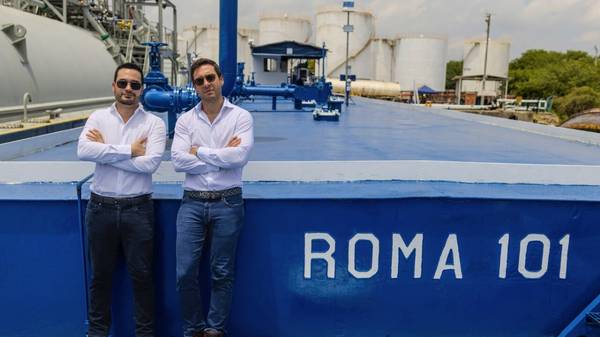
Monjasa announces full-chain marine fuel operations in Cartagena
Monjasa says it now covers the entire marine fuel supply chain in Colombia, from oil wells to ship-side deliveries. |
|
|
|
||
|
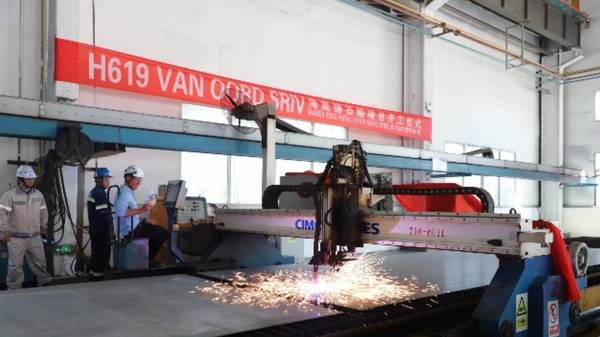
Ceremonies held for Van Oord’s methanol-hybrid rock installation vessels
Two ships advance through parallel construction at China’s CIMC Raffles shipyard. |
|
|
|
||
|
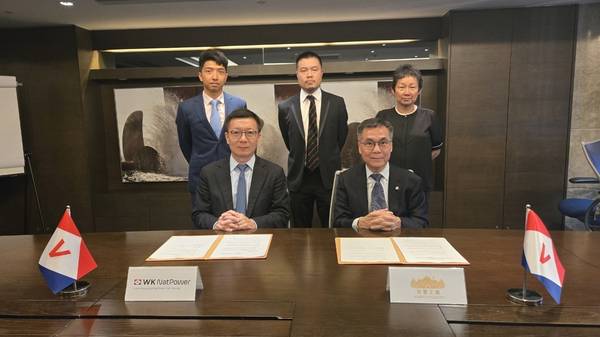
Wah Kwong NatPower signs MoU to explore Hong Kong marine electrification
Venture will examine shore power, vessel charging and electric vessel deployment around Aberdeen’s waterfront. |
|
|
|
||
|
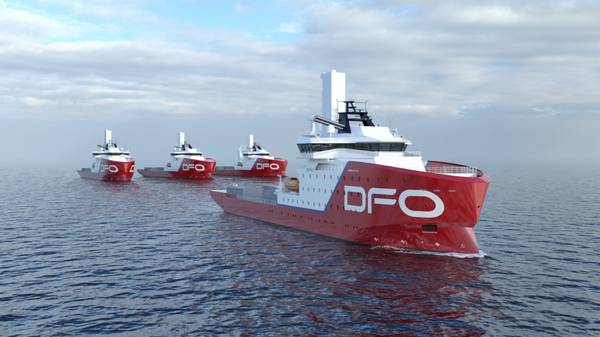
Dong Fang Offshore orders CSOV with battery-hybrid propulsion
Vard secures fifth newbuild contract from Taiwanese firm, with delivery scheduled for 2028. |
|
|
|
||
|
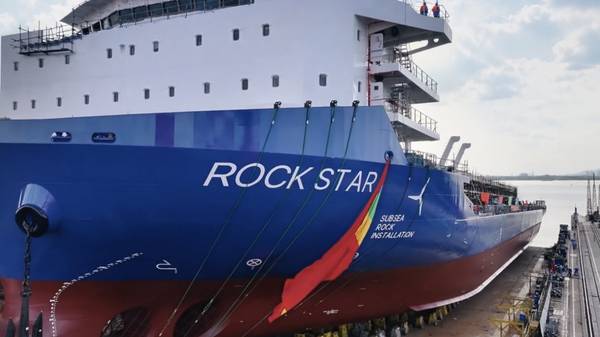
CSL and OWL launch first subsea rock installation vessel for offshore wind
MV Rock Star can run on MGO and methanol and is designed to support scour protection and cable burial for offshore wind projects. |
|
|
|
||
|
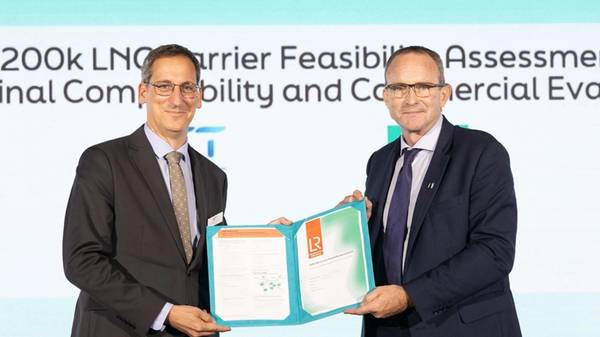
Lloyd’s Register study backs 200,000-cbm LNG carriers for fleet renewal
Analysis finds larger LNG carriers could cut transport costs while retaining access to most major terminals. |
|
|
|
||
| Anglo-Eastern completes pilot training course for ammonia-fuelled vessels [News & Insights] |
| Tug becomes world's first ammonia-fuelled vessel to receive environmental credit certification [News & Insights] |
| J-ENG completes world's first commercial ammonia-fuelled engine [News & Insights] |
| Höegh Autoliners signs contract for six dual-fuel LNG vessels [News & Insights] |
| IMO seminar examines technical hurdles facing ammonia as a marine fuel [News & Insights] |
| H2SITE lands €3.4m in Norwegian funding to scale up onboard ammonia-to-power system [News & Insights] |
| GCMD and Equinor sign five-year partnership on alternative fuels and carbon storage [News & Insights] |
| Grimaldi adds fourteenth ammonia-ready car carrier to fleet [News & Insights] |
