
 |
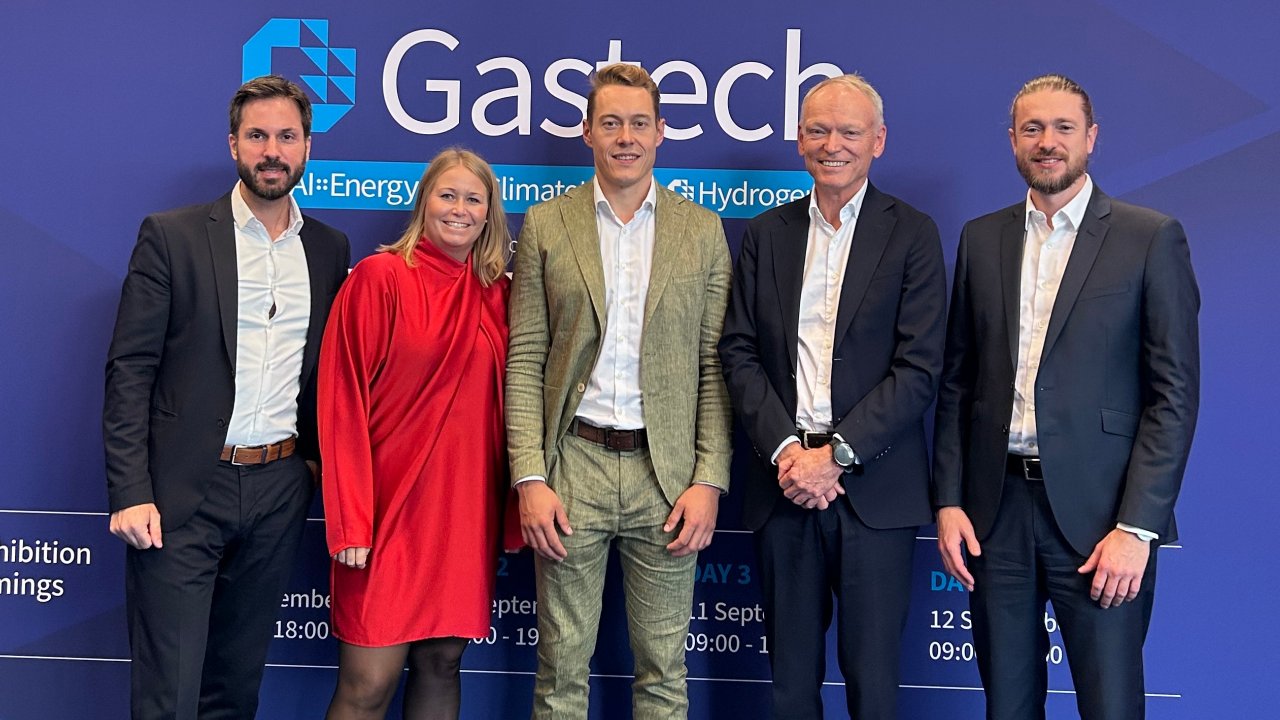
ABB, OceanWings and Everllence have signed a memorandum of understanding to develop an optimized propulsion concept that combines wind-assisted propulsion systems with hybrid electric technology for LNG carriers.
The partnership, signed at GasTech 2025 in Milan, aims to build upon ABB's and Everllence's existing DFE+ (Diesel-Electric with variable speed) concept by integrating OceanWings' wingsail technology.
The DFE+ system is designed to enable high engine efficiency at partial loads, operational flexibility through multiple engines, and future integration of sustainable energy sources including batteries and fuel cells.
OceanWings' wingsail technology features what is described as Adaptive Trimming capability, which continuously optimizes sail positioning by accounting for each vessel's aerodynamic profile and interactions.
Romain Grandsart, COO of OceanWings, remarked: "LNG carriers sail fast and spend typically 70% of their time at sea. This is ideal for harnessing wind and the full potential of OceanWings rigid wingsails. Combined with optimized propulsion, including a DFE+ highly efficient variable-speed concept engine, this unlocks high double-digit fuel savings and greenhouse-gas emissions reduction."
Rune Lysebo, Head of Strategic Market Development at ABB's Marine and Ports division, commented: "We at ABB believe that the flexibility of our hybrid electrical propulsion system is a good match with the variable power contribution from the wind. By utilizing ABB's advanced power and energy solution, we are able to optimize the operational efficiency of the vessel."
The collaboration addresses the challenge of variable propulsion demand created by fluctuating wind conditions through the DFE+ system's precise load control and operational flexibility, according to Dominik Thoma, Global Manager LNG Cargo at Everllence.
"While WAPS introduces highly variable propulsion demand due to fluctuating wind conditions, DFE+ propulsion offers precise load control and operational flexibility, making it exceptionally well-suited to harness the variable and intermittent power contributions of wind-assisted systems," Thoma said.
The initial scope focuses on a future LNG carrier concept, with further applications planned within the cargo segment. The partners claim the technology shows strong potential for long-distance operations and vessels with sufficient deck space for wingsails.
The collaboration also aims to deliver reductions in both operational expenditure and capital expenditure for next-generation vessel designs, according to the companies.
ABB is a technology company specializing in electrification and automation, while OceanWings designs and delivers wind-assisted propulsion systems. Everllence, formerly MAN Energy Solutions, provides propulsion, decarbonization, and efficiency solutions for shipping.
|
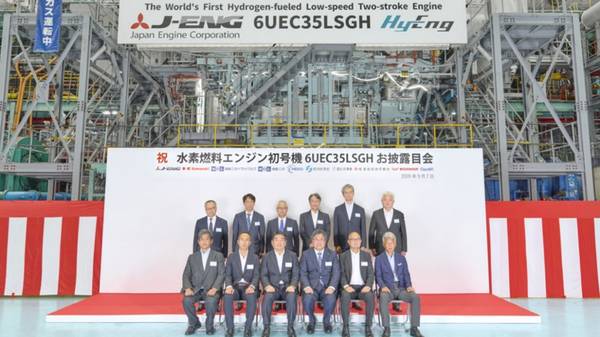
Japan Engine completes land-based testing of landmark hydrogen-fuelled engine for large vessels
Hydrogen co-firing rate of at least 95% achieved during factory testing. |
|
|
|
||
|
Ethanol edges into shipping’s fuel mix as methanol crossover eases adoption barriers
Rising interest from cargo owners, shared technology with methanol and Brazilian production growth push ethanol beyond regional niche status. |
|
|
|
||
|
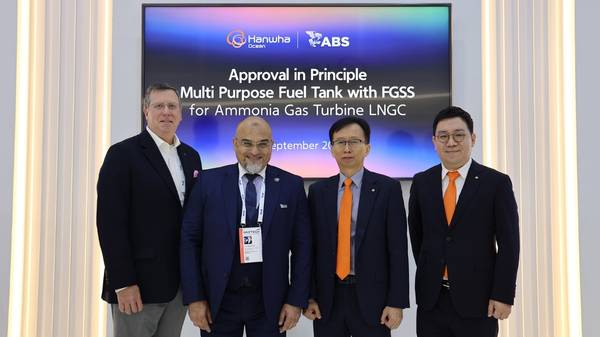
ABS grants Hanwha Ocean approval for dual-fuel tank enabling LNG-to-ammonia switch
In-principle approval awarded for fuel tank and supply system enabling LNG carriers to convert to ammonia without replacement. |
|
|
|
||
|
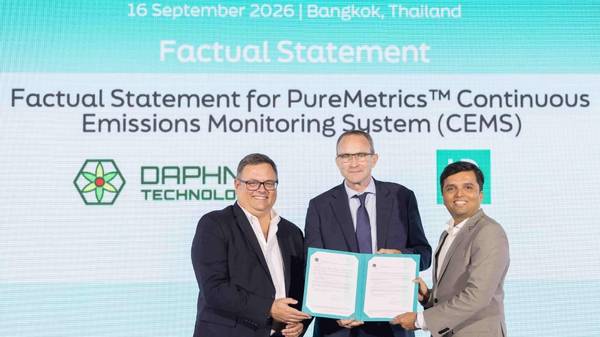
Lloyd's Register confirms suitability of Daphne Technology's emissions monitoring system
Factual Statement validates the PureMetrics design for monitoring greenhouse gas emissions from marine engines. |
|
|
|
||

|
IMO issues shipboard biofuel blend checklist developed by IBIA
Checklist for FAME-based biofuels formally incorporated into IMO document, supporting crews handling biofuel blends for the first time. |
|
|
|
||
|
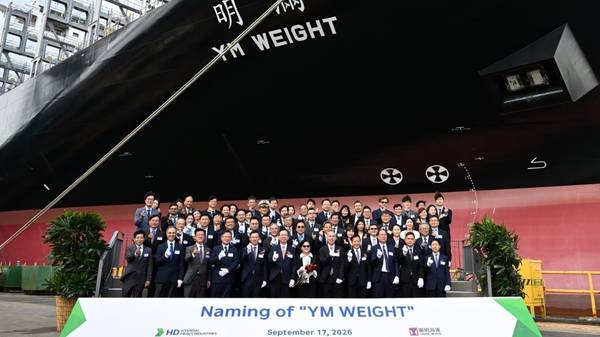
Yang Ming names fourth LNG dual-fuel container vessel YM Weight
Newbuild features high-pressure dual-fuel main engines capable of running on either LNG or low-sulphur fuel oil. |
|
|
|
||
|
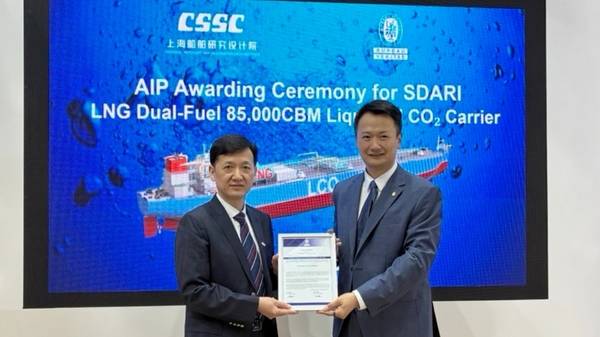
Bureau Veritas grants AiP to SDARI’s LNG dual-fuel liquefied CO₂ carrier design
Classification society approves 85,000-cbm vessel concept designed to support the growing carbon capture and storage sector. |
|
|
|
||

|
JuWonOil looking to strengthen with two Houston hires
Texas-based firm is recruiting a marine lubricants sales executive and a marine fuels and distillates trader. |
|
|
|
||
|
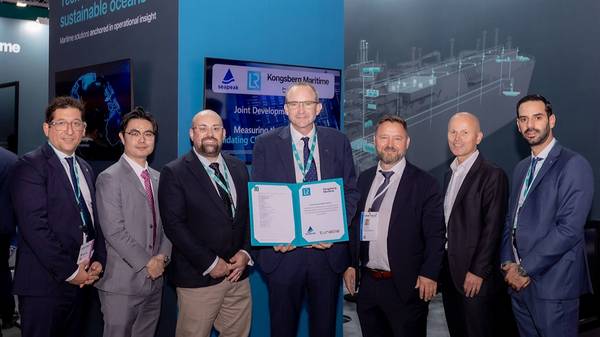
Four firms partner to trial continuous emissions monitoring on LNG carrier
LR, Seapeak, Kongsberg Maritime and Tunable will test onboard CO₂ monitoring against engine data and default emissions factors. |
|
|
|
||
|
Bunker Holding reshuffles commercial leadership across brand portfolio
Appointments announced across KPI OceanConnect, Glander International Bunkering and its digital sales operations. |
|
|
|
||
| U-Ming becomes first Taiwanese shipowner to install rotor sails [News & Insights] |
| French patrol vessel with wind-assisted propulsion enters construction phase [News & Insights] |
| Nissen Kaiun invests in wind-assist technology firm Econowind [News & Insights] |
| Bound4blue secures first LPG carrier contract with BWEK for wind propulsion system [News & Insights] |
| MOL secures approval for LNG carriers with four wind-assisted propulsion systems [News & Insights] |
| Japan Engine completes land-based testing of landmark hydrogen-fuelled engine for large vessels [News & Insights] |
| ABS grants Hanwha Ocean approval for dual-fuel tank enabling LNG-to-ammonia switch [News & Insights] |
| ABS grants Hanwha Ocean approval for dual-fuel tank enabling LNG-to-ammonia switch [News & Insights] |
| Bureau Veritas grants AiP to SDARI’s LNG dual-fuel liquefied CO₂ carrier design [News & Insights] |
| Four firms partner to trial continuous emissions monitoring on LNG carrier [News & Insights] |
