Source: Port of Rotterdam
LNG: investing in the chicken and the egg
As a fuel, LNG is a far cleaner option than, for example, diesel or HFO. What's more: LNG engines are quieter, emit close to 0% sulfur and nitrous oxides and allow for a 20% reduction in carbon emissions. In short... LNG rocks! But how can you allow a new fuel like this to gain the critical mass necessary for a breakthrough? Together with a number of partners in the port, the Port of Rotterdam Authority has decided to take the lead.
Which came first: the chicken or the egg? The electric car or the charging post? And if we were to apply this question to LNG (liquefied natural gas): an LNG-powered inland vessel or an LNG bunker station?
Boosting the hub
In recent years, a number of parties in Rotterdam have joined forces to accelerate the introduction of the entire chain surrounding LNG in the port - from supply to demand. The Port of Rotterdam Authority is at the forefront of these initiatives. A key role is fulfilled by the Maasvlakte-based Gate terminal B.V., an initiative of partners Vopak and Gasunie. LNG is transported by tanker from regions like the Middle East, Australia and Asia to the terminal, with the 100th vessel having docked there on 25 June 2015. A share of the LNG is transhipped to smaller LNG tanker ships for re-export. Another share of the gas finds its way to Rotterdam's hinterland, to be used as fuel for trucks or inland shipping. As a result, Rotterdam not only serves as an LNG hub for a variety of transport modes, but also as a geographic hub for transport to a vast hinterland.
Next to no particulates
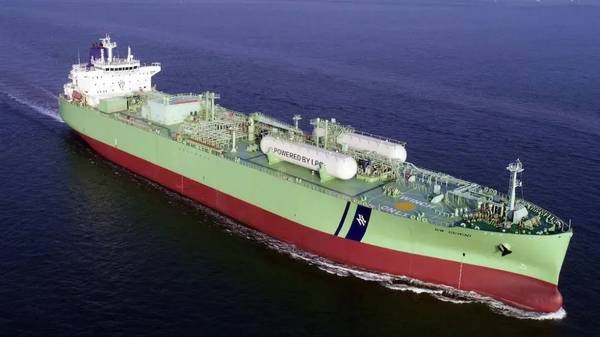
LNG is natural gas that is converted to liquid by cooling it to a temperature of minus 162 degrees centigrade. This reduces its volume by a factor 600, allowing it to be stored very safely and efficiently - particularly over longer distances. As of 2015, the shipping sector needs to comply with stricter emission requirements, and standards set for road haulage are also becoming increasingly stringent. LNG is the only fossil fuel to satisfy these environmental requirements without any further restrictions. It produces lower emissions than other fuels, while simultaneously generating next to no airborne particulates. This makes LNG a very practical fuel option for trucks and ships.
Seinehaven
The first hurdles on the road to the introduction of this new fuel option have already been cleared. The necessary legislation and regulations are in place, the port management bye-laws have been adapted and the risks and basic outlines for safety have been mapped out. Rotterdam is the first port in Europe to develop and structure a site where the LNG bunkering of inland vessels is allowed: Seinehaven. In addition, we can also find the first LNG truck facilities in the port area: a Q8 station in Botlek and the Shell filling station in Waalhaven. Both stations are strategically located for trucks hauling cargo to destinations in Belgium, France and the German Ruhr.
Albert Heijn and Coca-Cola
A large number of road hauliers, including Vos Logistics and Van Vliet Transport, have already made the transition to LNG. This move is partly thanks to their recognition of the advantages offered by this fuel, and partly in response to market demand. Shippers like Albert Heijn, Coca-Cola, Sligro and Spar are already on board. Their decision is strongly informed by motives like increasing sustainability and lowering noise pollution levels. LNG-powered trucks allow for loading and unloading in urban centres outside of municipal delivery windows.
From Greenstream to Barzan
Developments are moving at a slower pace in inland shipping and ocean shipping. But of course, moving to an LNG-fuelled vessel requires a substantial investment. Nevertheless, a number of frontrunners have already taken the plunge. Shell, for instance, has been chartering the first fully LNG-fuelled inland tanker ship Greenstream since 2013, and in late 2014, the multinational announced that it would be commissioning its own bunker vessel. In June 2014, the shipping company Danser Group took the very first LNG-fuelled container-inland vessel into operation, the Eiger-Nordwand: weighing in at a respectable 177 metres. And recently, the very first LNG-ready mega-container ship UASC Barzan made its first call at Rotterdam. The Port of Rotterdam Authority is accommodating the shipping companies in a variety of ways. LNG-fuelled ships are offered a sizeable discount on regular port tariffs. In addition, LNG initiatives can benefit from a variety of incentive programmes and European subsidies.
The future
At present, contractors are working hard at Maasvlakte to expand the Gate terminal with a dedicated LNG Break Bulk facility: a transhipment system that allows for the transfer of smaller quantities of liquefied natural gas to bunker ships and smaller tankers working on inland and short sea routes. These vessels can subsequently refuel ships that run on LNG, or transport the fuel to other locations in north-western Europe to supply industrial parties or bunker stations for inland vessels. Another step on the way to the large-scale adoption of LNG as a key fuel alternative.